
Last updated August 28, 2026
Free in-home measure and quote - PGT, CGI and CWS impact lines compared on your actual openings, style by style
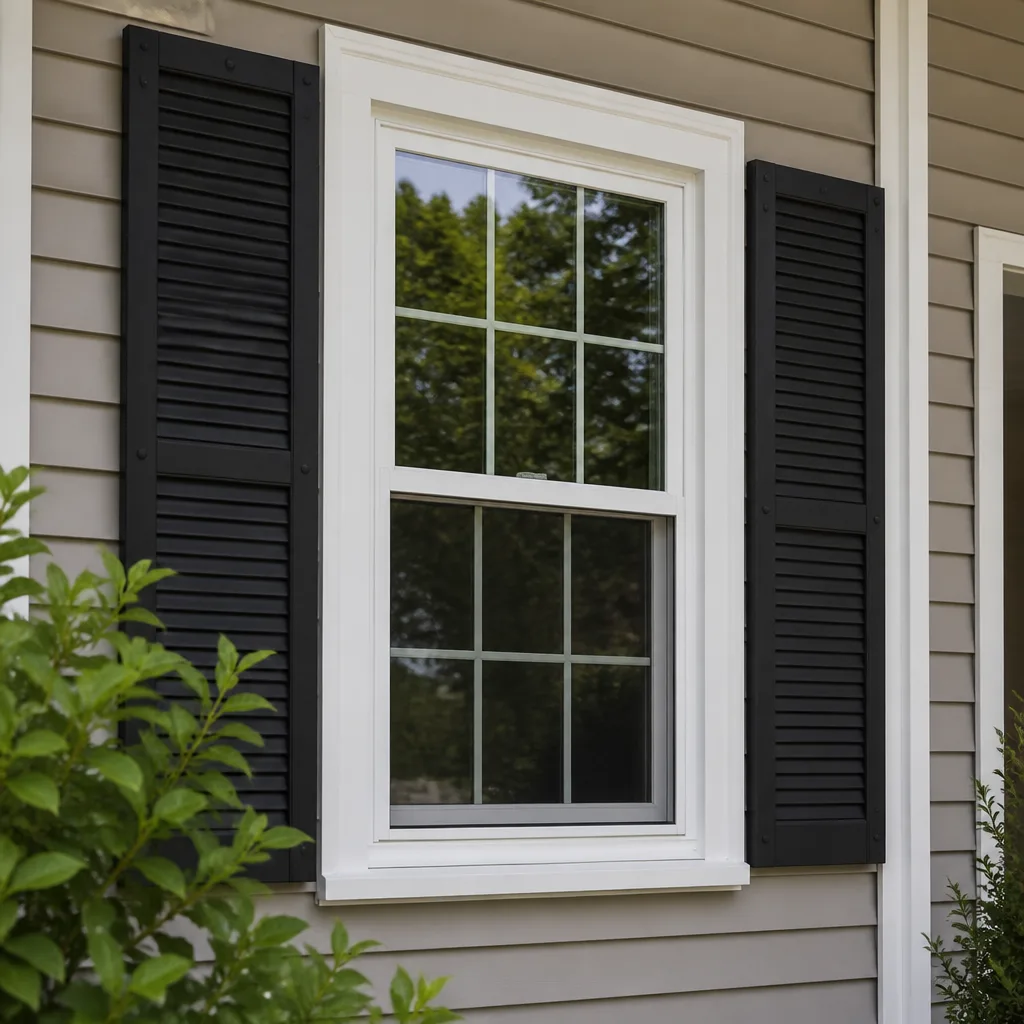
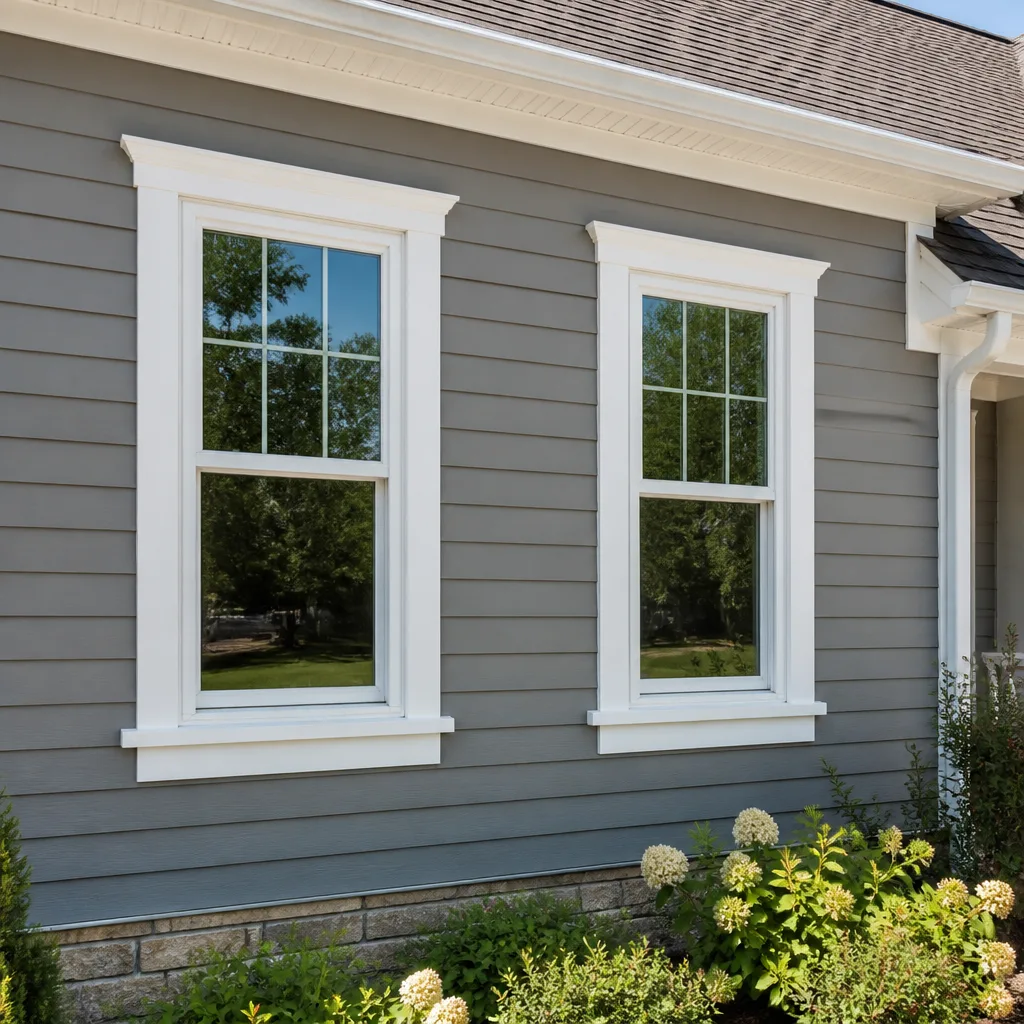
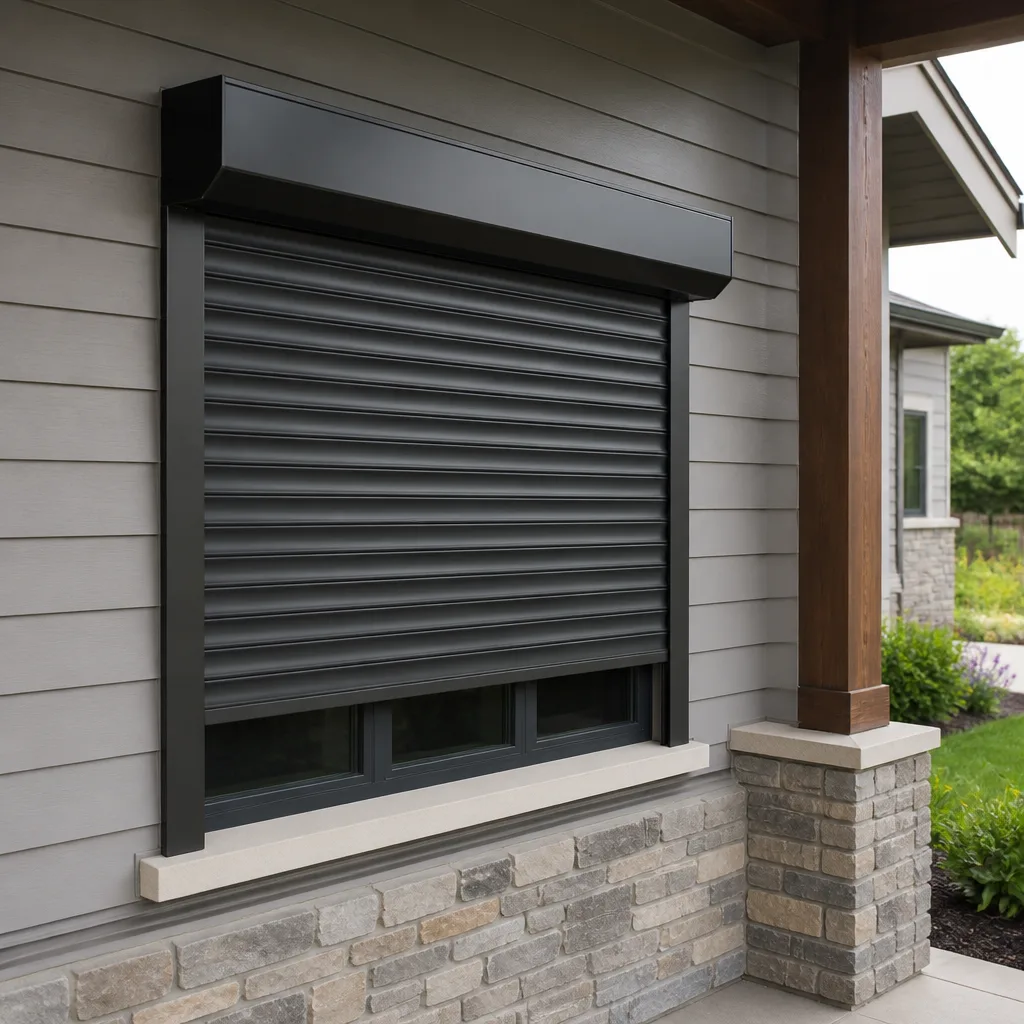
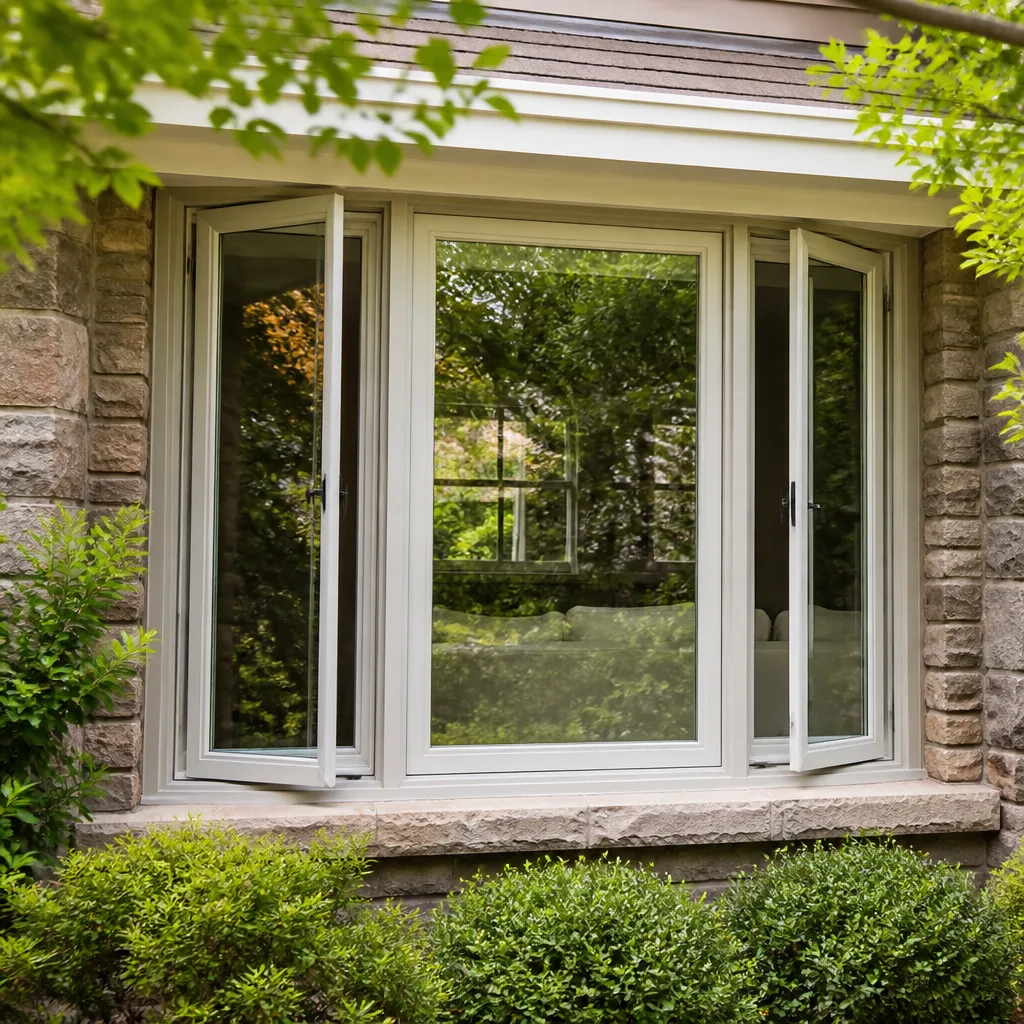
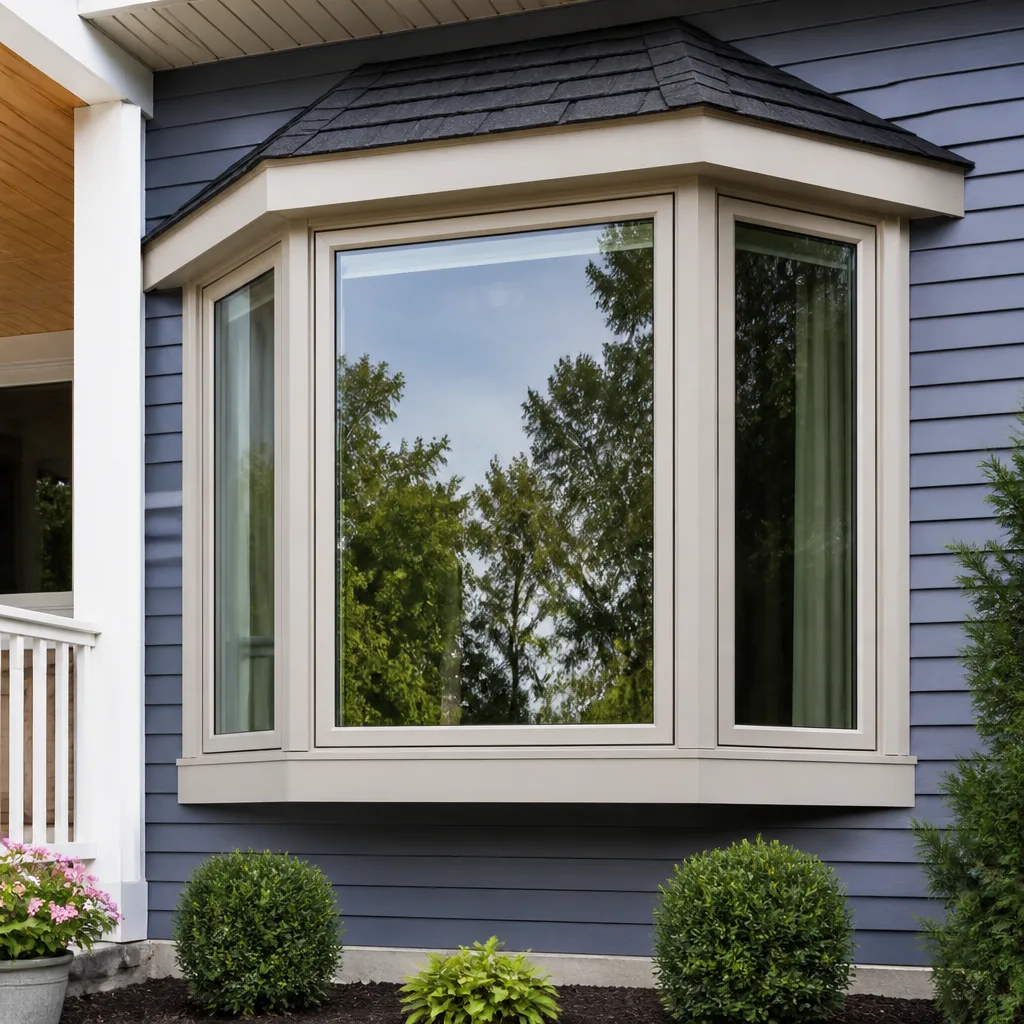
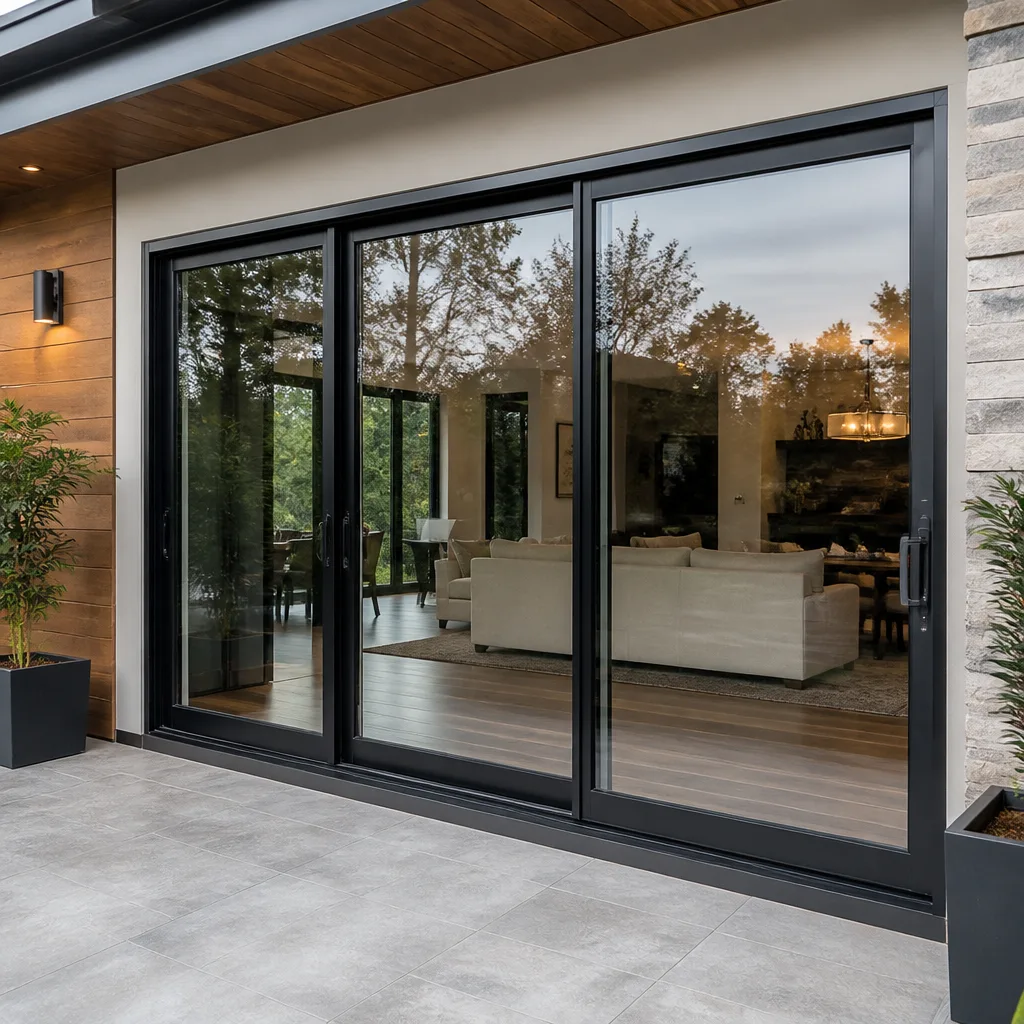
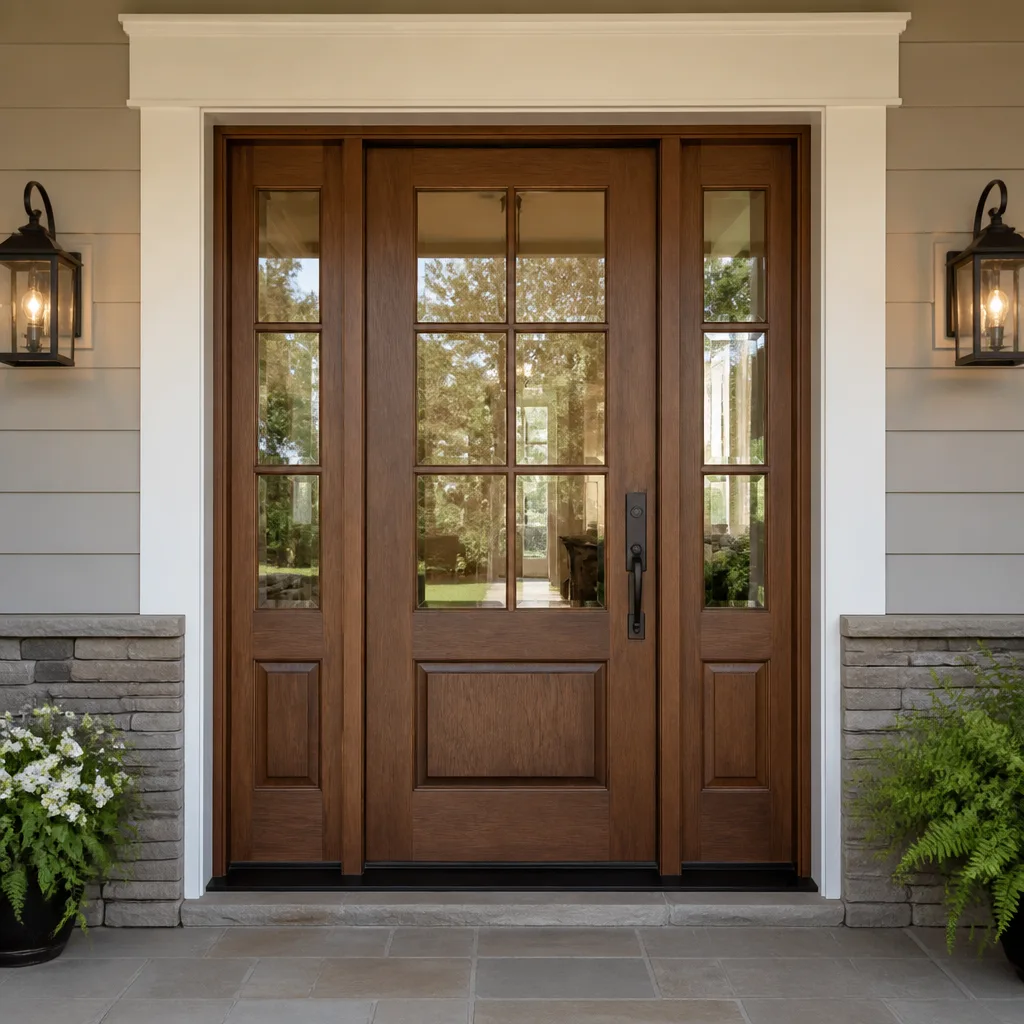
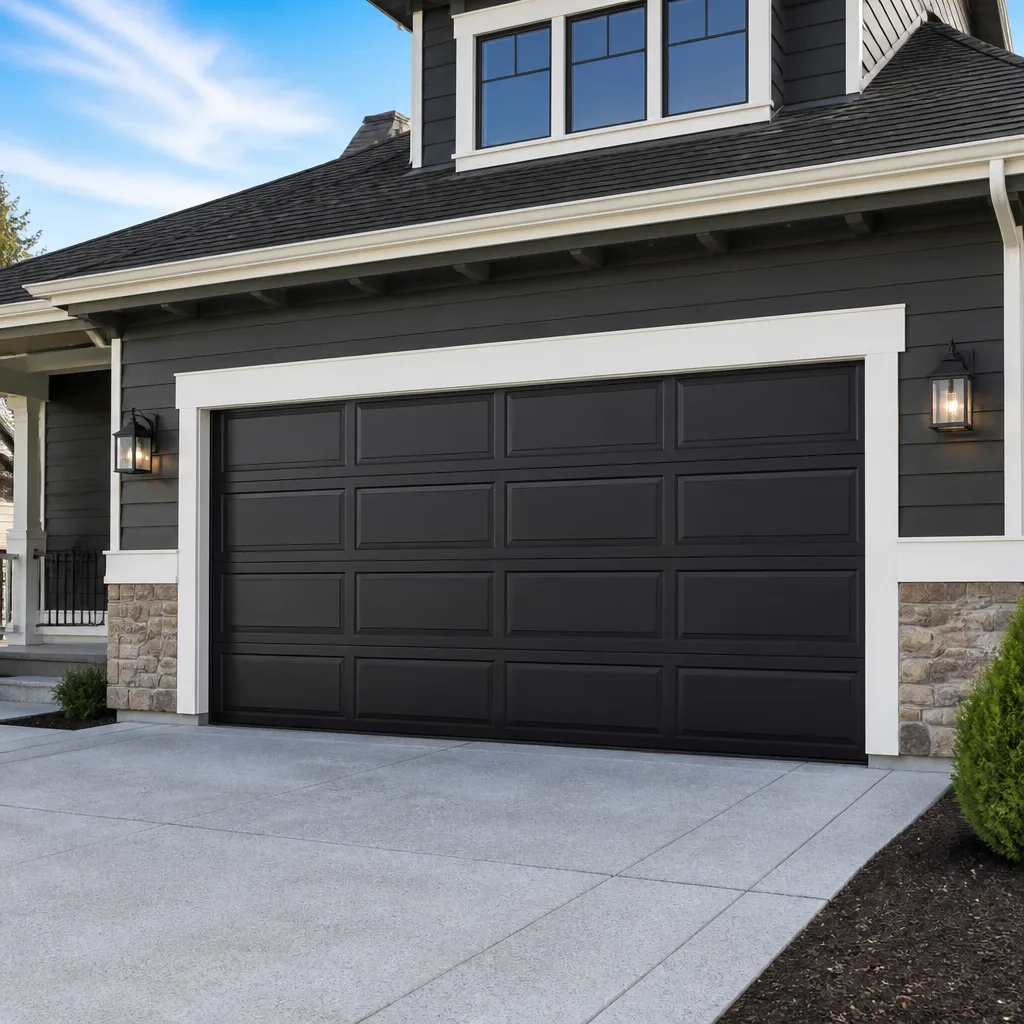
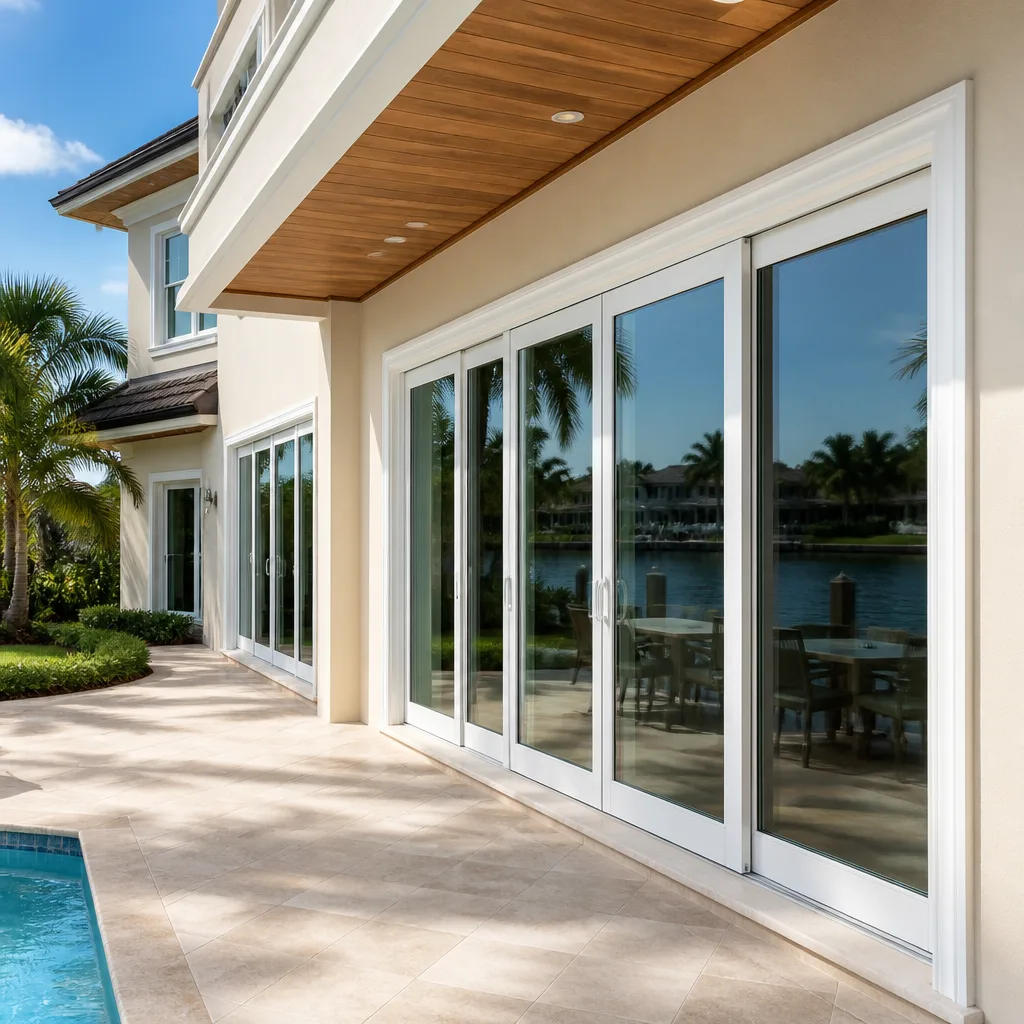

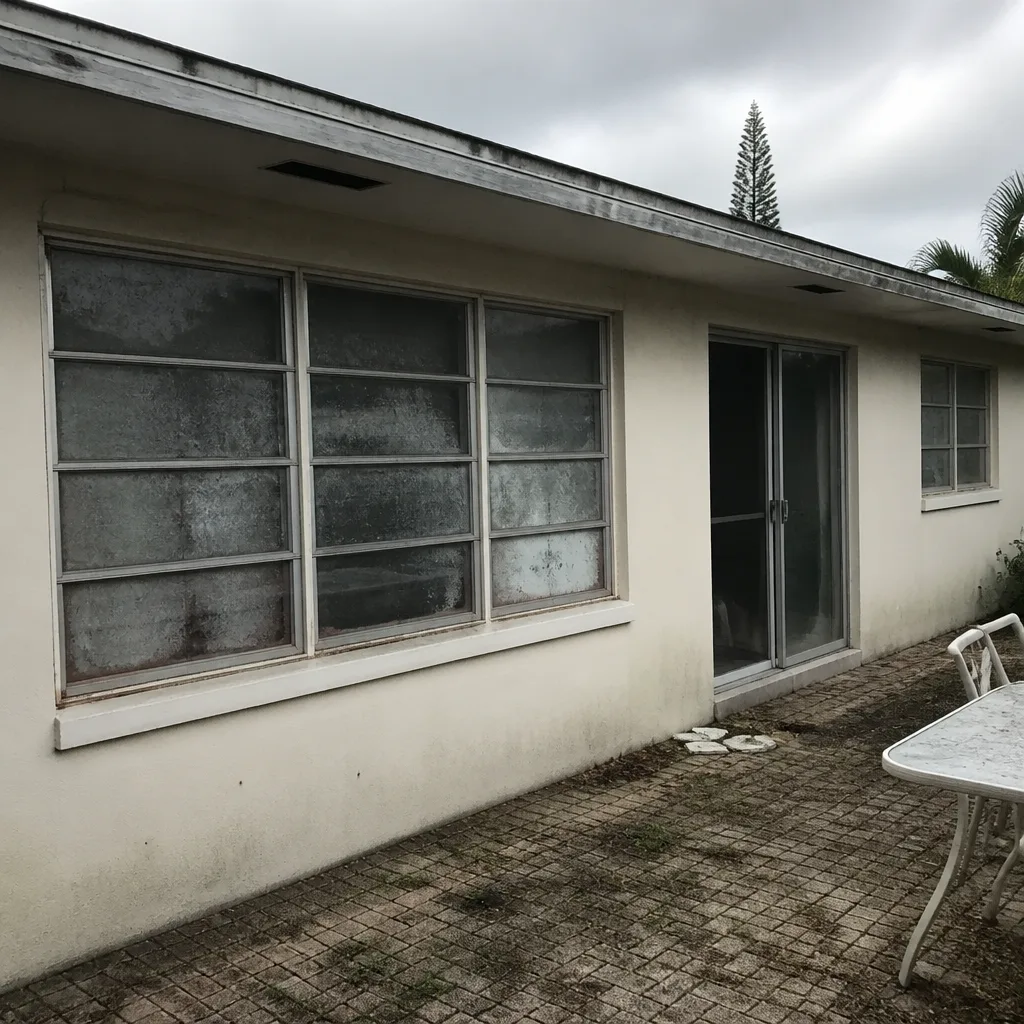 Before
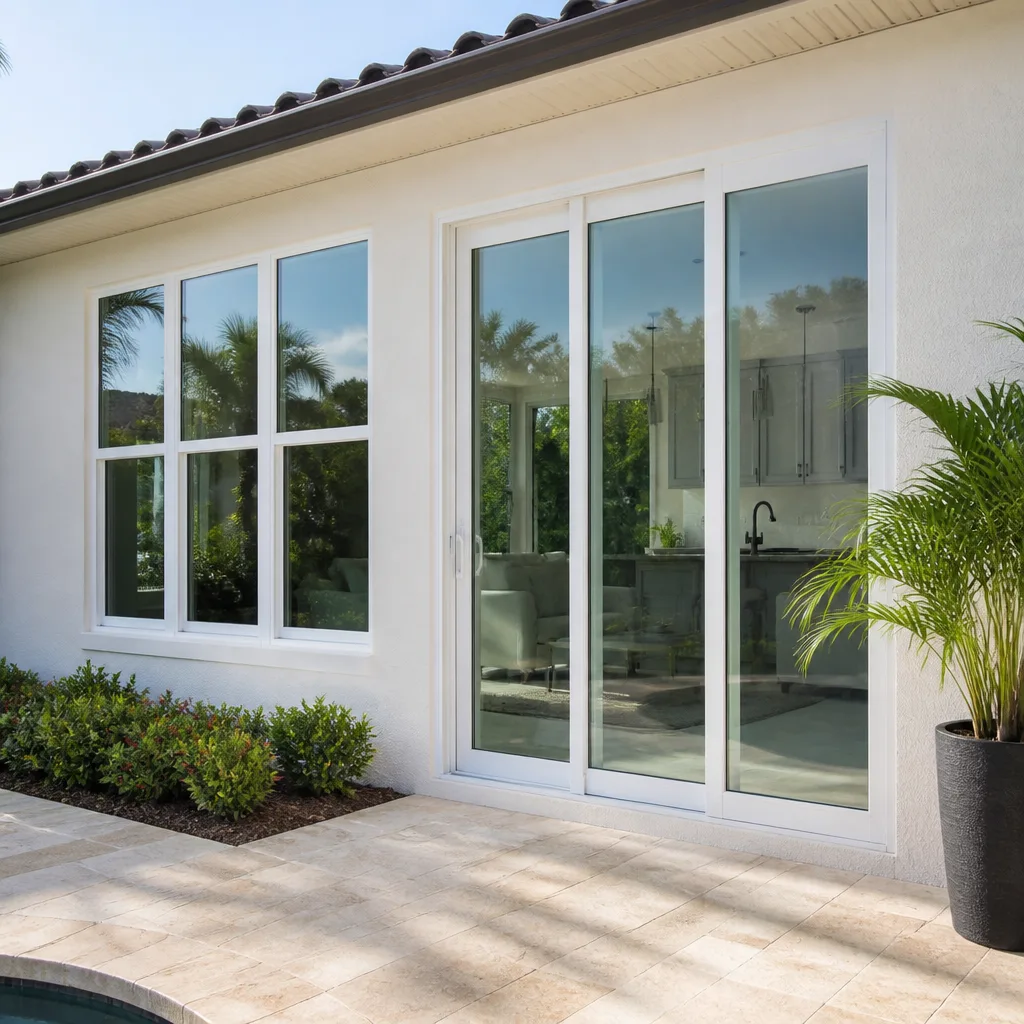 After
After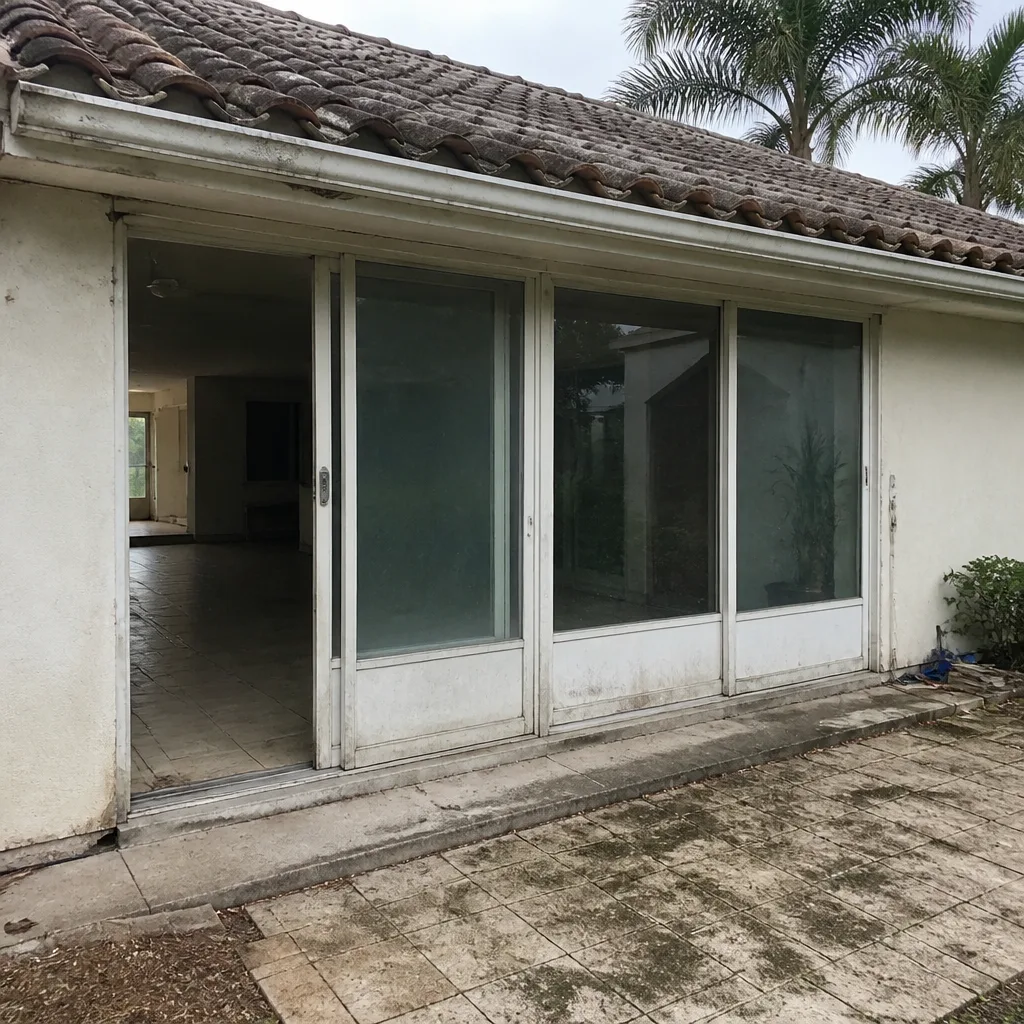 Before
 After
After Before
 After
AfterDIY vs Professional Windows & Doors: The Naples Homeowner’s Decision Guide
A 72-inch PGT WinGuard sliding glass panel weighs somewhere north of 200 pounds. That’s not an installation challenge, that’s a two-person lift before you’ve even thought about the torque specs on HVHZ anchor fasteners. In Naples, the difference between a correctly installed impact window and one that passes a visual once-over comes down to millimeters of frame deflection and specific fastening patterns that YouTube tutorials rarely mention. This guide draws the honest line between what a motivated homeowner in Naples can realistically tackle and where DIY crosses from ambitious into financially dangerous, and it pairs well with our How to Hire a Windows & Doors Contractor in Naples: A Step-by-Step Guide for those ready to go pro.
Quick Answer
For most Naples homeowners, professional installation of impact-rated windows and exterior doors is the only path that preserves insurance wind-mitigation credits and keeps your home legally compliant with Collier County’s High Velocity Hurricane Zone (HVHZ) code. That’s because Florida law prohibits owner-installed impact windows from qualifying for wind-mitigation discounts, even when the work is technically flawless. Interior trim, hardware adjustments, and weatherstripping replacement remain legitimate DIY projects for the right homeowner.
Table of Contents
- The Real Question: What Can You Actually Do Yourself in Naples?
- Collier County Code and the HVHZ Reality
- The Insurance Credit Nobody Mentions
- What Owner-Builder Status Actually Means
- Three DIY Tasks Worth Doing Yourself
- The Tooling and Physical Requirements Most Homeowners Miss
- The Cost-Honest Comparison: DIY vs Professional
- Common Mistakes to Avoid
- When to Call a Professional
- Frequently Asked Questions
- The Bottom Line
The Real Question: What Can You Actually Do Yourself in Naples?
Most DIY window installation advice comes from places where building codes treat a window as a glass rectangle in a wooden frame. That’s not how Naples works. Collier County sits inside Florida’s High Velocity Hurricane Zone, a designation that brings with it product approval requirements, installation protocols, and inspection standards far beyond what a typical homeowner encounters in Ohio or Tennessee. The product itself is different too. A standard single-hung window from a big-box store may weigh 40 pounds and install with four screws. The impact-rated equivalents we install from PGT and CGI are laminated, reinforced, and tested to withstand windborne debris. They are engineered systems, not interchangeable parts.
In our experience at Winslow Windows & Doors home, homeowners who succeed with DIY work in Naples tend to succeed at the finish stage, not the structural stage. The structural work is where the code, the insurance implications, and the physical demands converge in a way that punishes small errors. The finish work is where patience and attention to detail pay off. Understanding that split is the foundation of this guide.
Collier County Code and the HVHZ Reality
Collier County enforces the Florida Building Code with HVHZ amendments that govern how impact windows must be installed. The code is prescriptive, not suggestive. It specifies anchor types, anchor spacing, fastener embedment, frame shimming, and water-resistive barrier integration. Miss a single requirement and the county inspector can fail the installation, triggering reinspection fees and rework. Worse, a failed inspection creates a paper trail that your insurance company can access.
The code requires that impact windows be installed according to the manufacturer’s Product Approval documents, which are engineering documents specific to each window model. PGT’s product approvals for a given WinGuard series will specify anchor spacing at 4 inches on center or 6 inches on center depending on the frame material, wall construction, and design pressure rating. Those numbers are not suggestions. A homeowner installing impact windows must access, read, and execute against those documents. They are not always easy to find, and they change between product generations. The DIYer who assumes every window installs the same way is already behind.
Beyond the fastening schedule, the code addresses flashing details. Water intrusion around improperly flashed windows in Naples is a slow-motion disaster. The humid, salt-air environment accelerates rot and corrosion in ways that surprise homeowners from drier climates. A window that looks sealed from the outside can be quietly failing behind the stucco. Professional installers pull the old window, inspect the rough opening for hidden damage, install the new unit with proper sill flashing, backer rod, and sealant, and ensure drainage paths function correctly, as outlined in our Impact Windows Maintenance Checklist for Naples Homeowners. Skipping any of those steps is how you end up with a water damage claim your insurance adjuster traces back to an unpermitted, owner-installed window.
The Insurance Credit Nobody Mentions
Here is the detail that changes the math for most people: Florida law requires that windstorm mitigation features, including impact windows, be installed by a licensed contractor to qualify for insurance premium discounts. Florida Statute 627.0629, which governs the windstorm mitigation discount program, specifically excludes owner-installed features from eligibility. You can install technically perfect PGT impact windows yourself, pass the county inspection, and still watch your insurance premium stay exactly where it was. The wind mitigation inspector who fills out Form 1802 for your carrier will note that the work was owner-installed, and the insurance company will deny the discount.
For a typical Naples home insured for $600,000, wind mitigation credits can reduce the windstorm portion of the premium by 30 to 70 percent depending on the age of the home, the existing roof-to-wall attachments, and the carrier. A homeowner who pays $18,000 annually for windstorm coverage might save $5,000 to $9,000 per year with properly documented, professionally installed impact windows. That savings recurs every single year. The DIY installer sacrifices those ongoing savings to save a one-time labor cost. Run that math over ten years and the professional installation has paid for itself several times over. This is the part of the DIY conversation that blog posts written outside Florida never mention, because outside Florida it doesn’t exist. For year-round upkeep tips, see our Seasonal Windows & Doors Care for Naples: Year-Round Homeowner’s Guide.
What Owner-Builder Status Actually Means
Florida does allow homeowners to pull permits as “owner-builders” for certain work on their own primary residence. On its face, this sounds like a permission slip for DIY window installation. The reality is more complicated, and the consequences extend far beyond the install day.
When you pull an owner-builder permit in Collier County, you sign a disclosure acknowledging that you are acting as your own general contractor and assuming full legal liability for the work. That liability transfers to you personally. If a window leaks and causes water damage, your insurance company may deny the claim if they determine the damage resulted from improper installation. If you sell the home, Florida law requires you to disclose that the work was owner-built. Florida Statute 489.503 requires written disclosure to any subsequent buyer that the work was performed under an owner-builder permit, and that disclosure has a chilling effect on buyers who know what it means. A buyer looking at two similar Naples homes will often choose the one without the owner-builder disclosure, or demand a discount to offset the perceived risk.
Owner-builder status also affects resale value in a subtler way. A home with professionally installed PGT or CGI impact windows carries documentation: permits pulled by a licensed contractor, product approvals on file, inspection records. That documentation is transferable and reassuring. A home with owner-installed windows carries a question mark. The seller can explain that the work was done carefully, but there is no licensed professional standing behind it, no warranty, and no insurance credit for the buyer. In Naples real estate, that question mark often translates into a lower offer.
Three DIY Tasks Worth Doing Yourself
None of this means a capable Naples homeowner is helpless around their windows and doors. There are three categories of work that remain genuinely DIY-appropriate, provided you go in with realistic expectations.
- Interior trim and casing finish work. Once a window or door is professionally installed, the interior trim is cosmetic. If you have basic carpentry skills, a miter saw, a finish nailer, and patience, you can handle casing, extension jambs, and wood filler. This is where a homeowner can save real money without touching the structural or weatherproofing elements of the installation. Skill level required: intermediate. The stakes if you get it wrong: cosmetic only, easy to redo.
- Hardware adjustments. Over time, swinging doors settle and latches misalign. Tightening hinge screws, adjusting strike plates, and lubricating rollers and tracks are all legitimate homeowner tasks. Sliding glass door rollers can be adjusted with a screwdriver through the adjustment ports at the bottom of the panel. If a door is hard to lock, the fix is often a simple strike plate adjustment. Skill level required: beginner to intermediate. The stakes if you get it wrong: minor, usually reversible.
- Weatherstripping replacement. The weatherstripping on doors wears out from heat, humidity, and use. Replacing it is a straightforward job that requires a utility knife, the correct replacement material, and attention to the existing channel dimensions. This is a meaningful energy-efficiency improvement that you can complete in an afternoon. Skill level required: beginner. The stakes if you get it wrong: minimal, though a poorly fitted seal will not insulate effectively.
Everything else we recommend leaving to licensed professionals. The line is simple: anything that touches the structural attachment of the window to the house, the waterproofing envelope, or the impact-rated product itself belongs in professional hands.
The Tooling and Physical Requirements Most Homeowners Miss
Professional HVHZ impact window installation requires tooling that most homeowners do not own and should not buy for a one-time job. The list starts with a calibrated torque driver. HVHZ fastening schedules specify torque values for concrete screws and lag anchors. Over-torque a concrete anchor and you crack the substrate or strip the threads, reducing the fastener’s pullout resistance below the engineered requirement. Under-torque it and the connection is loose. A calibrated driver costs several hundred dollars, and using an uncalibrated impact driver means you are guessing on a connection whose entire purpose is to keep a window attached to your house during a Category 4 storm.
Anchor spacing jigs are another requirement. The product approval documents specify anchor placement at precise intervals, and attempting to mark those intervals by hand with a tape measure is a recipe for drift. Professional installers use pre-drilled jigs that guarantee spacing accuracy. Two inches of deviation on a single anchor changes the load distribution on the frame, and while the window may pass a visual inspection, the engineering relies on the entire fastening pattern working together.
Then there’s the physical side. A 60-inch by 72-inch PGT WinGuard sliding glass panel is too large and too fragile to handle alone. Impact laminated glass is surprisingly unforgiving to drops and edge impacts. A single knock against a concrete patio can shatter the laminated layer in a way that doesn’t show immediately but compromises the product’s rating. Professional installers work in pairs with suction cups, panel carts, and experience handling units that cost thousands of dollars. The homeowner who tries to muscle a 200-pound panel through a lanai alone is one slip away from turning a $3,000 window into a very expensive lesson.
The Cost-Honest Comparison: DIY vs Professional
Let’s run the numbers on a typical project: replacing eight impact windows in a Naples ranch home.
Professional installation estimate: Product costs for eight mid-range PGT WinGuard impact windows at a typical Naples opening size will land between $12,000 and $18,000 depending on the specific product lines, sizes, and options. Professional installation labor will range from $2,500 to $4,500 for the full set. Total professionally installed cost: approximately $14,500 to $22,500. The homeowner receives: a licensed contractor warranty, manufacturer warranty valid because the products were installed by an authorized dealer, insurance wind-mitigation credits, transferable documentation, and no personal liability.
DIY installation estimate: The same eight windows purchased directly from a supplier will cost roughly the same product price, though the DIYer may lack access to dealer pricing and will likely pay retail, which can be 10 to 15 percent higher. The labor “savings” appear to be the $2,500 to $4,500 professional labor line. But then the tools arrive: a calibrated torque driver, masonry bits sized for the specified anchors, a panel lift or suction cups, a high-quality level set, flashing materials, sealants, and disposal costs for the old windows. Realistically, a first-time installer will spend $500 to $1,000 on tooling and consumables before touching a single window. If any window is damaged during handling, add $800 to $1,500 for replacement. If the county inspector fails the installation, add $75 to $200 for a reinspection fee, plus the cost of correcting whatever was flagged.
The honest math: DIY saves $1,000 to $2,500 on a full-house window replacement, and costs the homeowner the insurance credit, the contractor warranty, and any reasonable defense against a future water intrusion claim. Over ten years, the lost insurance savings alone can exceed the entire DIY savings by a factor of five to ten. This is not a philosophically anti-DIY position. It is arithmetic. On repair work under $200, DIY often makes sense. On structural impact window installation in Naples, the numbers point one direction.
Common Mistakes to Avoid
- Assuming any window fits any opening. Naples homes come in a wide range of ages and construction types. A 1980s wood-frame home in Naples Park has different rough opening dimensions and wall conditions than a 2015 masonry construction home in Fiddler’s Creek. Impact windows must be ordered for the specific opening, and a measurement error means a product that cannot be returned.
- Skipping the product approval documents. Every impact product has a Florida Product Approval with specific installation requirements. Installing by “common sense” instead of the approval document is a guaranteed way to fail an inspection or void a warranty.
- Trimming the flashings. A surprising number of first-time installers cut flashing corners to fit a rough opening rather than correcting the opening. The flashing detail is not optional geometry, it is the water management system that keeps your wall cavity dry.
- Over-torquing fasteners in masonry. This is easy to do with a heavy-duty impact driver. The anchor spec exists for a reason, and driving a concrete screw past its torque rating weakens the connection you are relying on to hold the window to the structure.
- Ignoring the owner-builder disclosure on resale. Florida law requires it, and failing to disclose owner-built work at sale is both unethical and actionable. The disclosure will affect your resale value, and it should be part of the math before you start.
- Misjudging lift assistance. A standard impact window is manageable. A large fixed picture window or sliding glass door is not. The most common DIY injury we hear about in Naples is a back strain from attempting a solo lift, followed by a dropped panel.
When to Call a Professional
Call a professional when the work involves any impact-rated product, any structural attachment, any waterproofing detail, or any permit requiring a licensed contractor signature. That description covers essentially all Impact Windows in Naples, all full-frame window replacements, and all exterior door installations. If your project can be described as “taking the old unit out and putting a new one in,” it is professional work. If it can be described as “touching up what is already installed,” it may be DIY-appropriate. Window Installation in Naples from Winslow Windows & Doors includes the product, the permit, the licensed installation, and the documentation your insurance company needs. We offer free estimates for every project. Call (239) 899-6411 and Ed will give you honest numbers on what the work should cost, whether you hire us or not.
Frequently Asked Questions
Yes, a homeowner can legally pull a permit and install impact windows on their own primary residence under Florida’s owner-builder provisions, but the work will not qualify for wind-mitigation insurance credits because Florida law requires licensed contractor installation for those credits. The homeowner also assumes full legal liability for the installation. For most Naples homeowners, the insurance implications alone make professional installation the more rational financial choice. Call (239) 899-6411 for a free estimate on professional installation.
Professionally installed impact windows in Naples typically range from $1,200 to $2,500 per window depending on the product line, window size, construction type, and installation complexity. PGT WinGuard windows, a popular mid-to-upper range option, fall toward the middle and upper portions of that range, while CGI’s heavier commercial-grade products run higher. Call (239) 899-6411 for a line-item quote on your specific openings.
Generally no. Insurance policies cover sudden and accidental events, not deficient workmanship. If a homeowner-installed window leaks and causes water damage inside the wall cavity, the insurer can deny the resulting claim on workmanship grounds. That leaves the homeowner personally responsible for both the window repair and the structural remediation. Professional installation from a licensed contractor includes workmanship warranty coverage that protects against this scenario.
A typical single window replacement takes one to two hours on site, while a full-house replacement of eight to twelve windows is usually completed in one to three days. Custom or oversized impact units, second-story access, or discovered framing damage can extend the timeline. Window Replacement in Naples from Winslow includes a clear timeline before work starts, so you know what to expect.
Collier County can issue code enforcement citations for unpermitted work, with fines that vary based on the violation and whether the work is corrected. More expensive than the fine is the reality that unpermitted work must often be uncovered for inspection, which means redoing finished surfaces, and the insurance company may require correction before writing or renewing a policy. The permit is there to protect the homeowner, not to generate filing fees.
Yes, exterior door replacements in Naples require a permit because the door assembly affects the structural envelope and, for impact-rated doors, the windstorm performance of the home. The permit requirement applies whether the door is installed by a homeowner or a contractor. Professional installation includes permit handling as part of the scope of work.
The Bottom Line
The DIY conversation around windows and doors in Naples plays by different rules than anywhere else in the country. HVHZ code, insurance credit requirements, and the physical weight of impact-rated products combine to make structural installation work a poor fit for even a capable homeowner. The honest answer is that interior finish work, hardware adjustments, and weatherstripping remain legitimate DIY territory, while everything else belongs with the licensed professionals who do this work daily. The insurance savings alone justify the professional labor cost in most cases, and that’s before you account for warranty coverage and resale value. In Naples, the smartest DIY decision a homeowner makes is knowing where the line is.
Written by Ed Winslow, Owner at Winslow Windows & Doors, serving Naples since 2011.
Six Reasons Homeowners Choose Winslow Windows & Doors
Impact systems engineered to design pressures up to +/-100, matched to your wind zone - your openings hold when the storm arrives.
Low-E insulated impact glass from our manufacturer lines commonly cuts monthly cooling bills 20-30%.
Laminated impact glass shuts out up to 40% of outside noise - traffic, neighbors, weather.
Monitoring services run $30-90 a month. Laminated impact glass resists forced entry around the clock, with no subscription.
Florida homeowners average around 25% savings on the windstorm portion of their policy after protecting every opening - some homes qualify for more.
A full impact package upgrades curb appeal, buyer confidence and appraised value in one project.