
Last updated August 28, 2026
Free in-home measure and quote - PGT, CGI and CWS impact lines compared on your actual openings, style by style
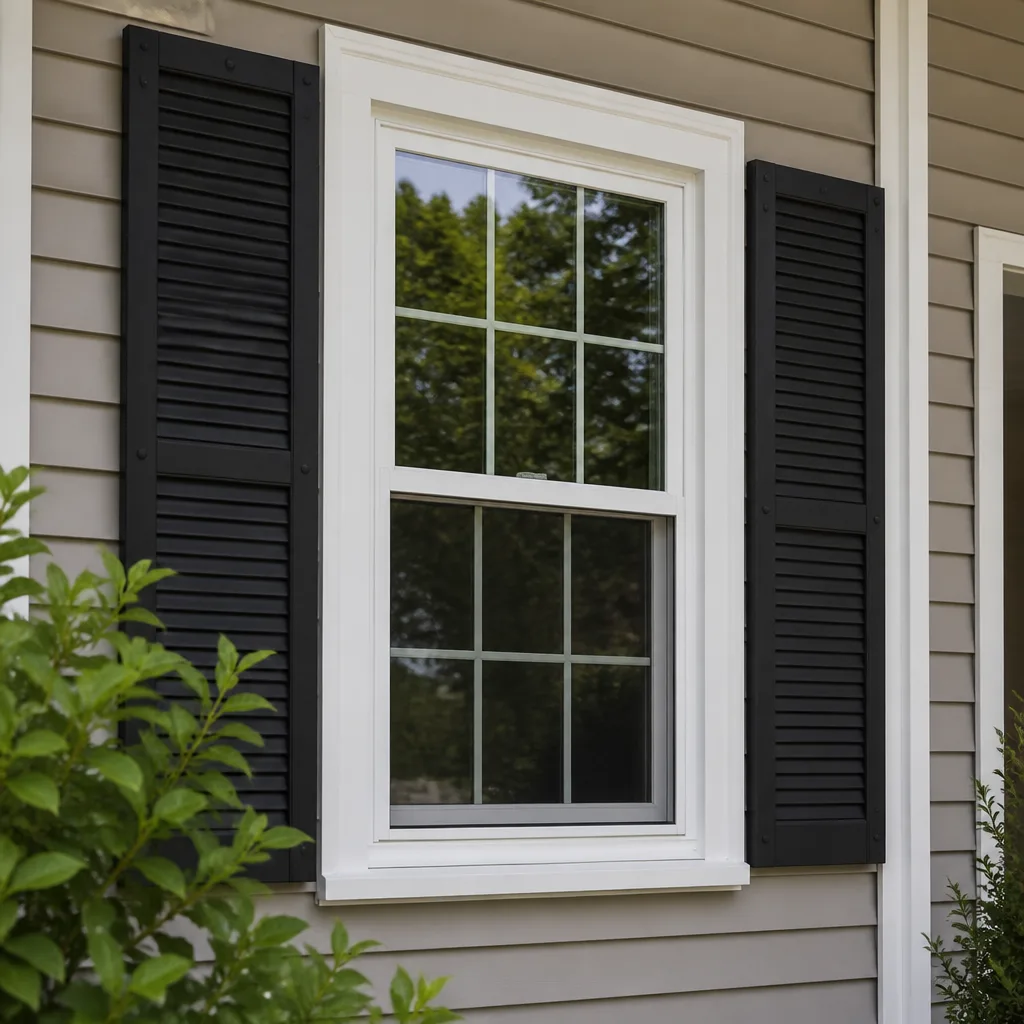
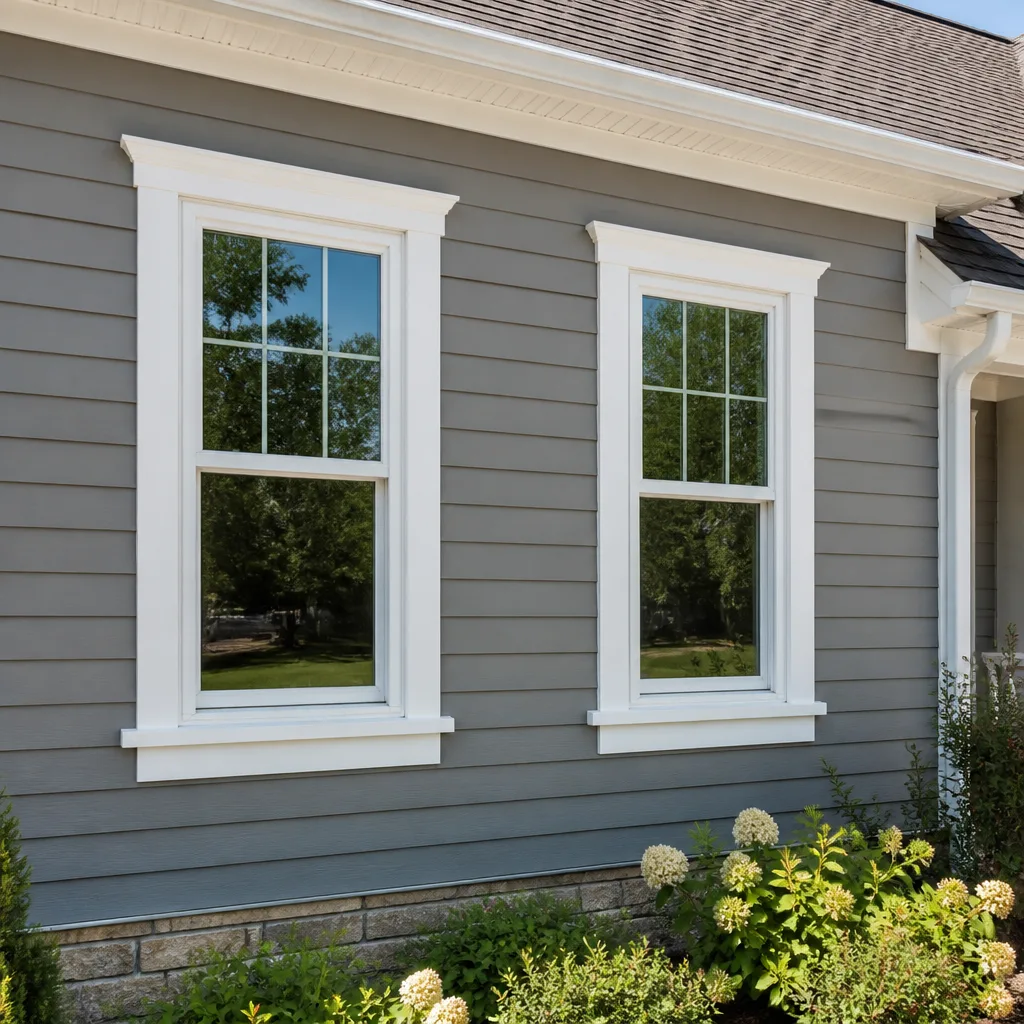
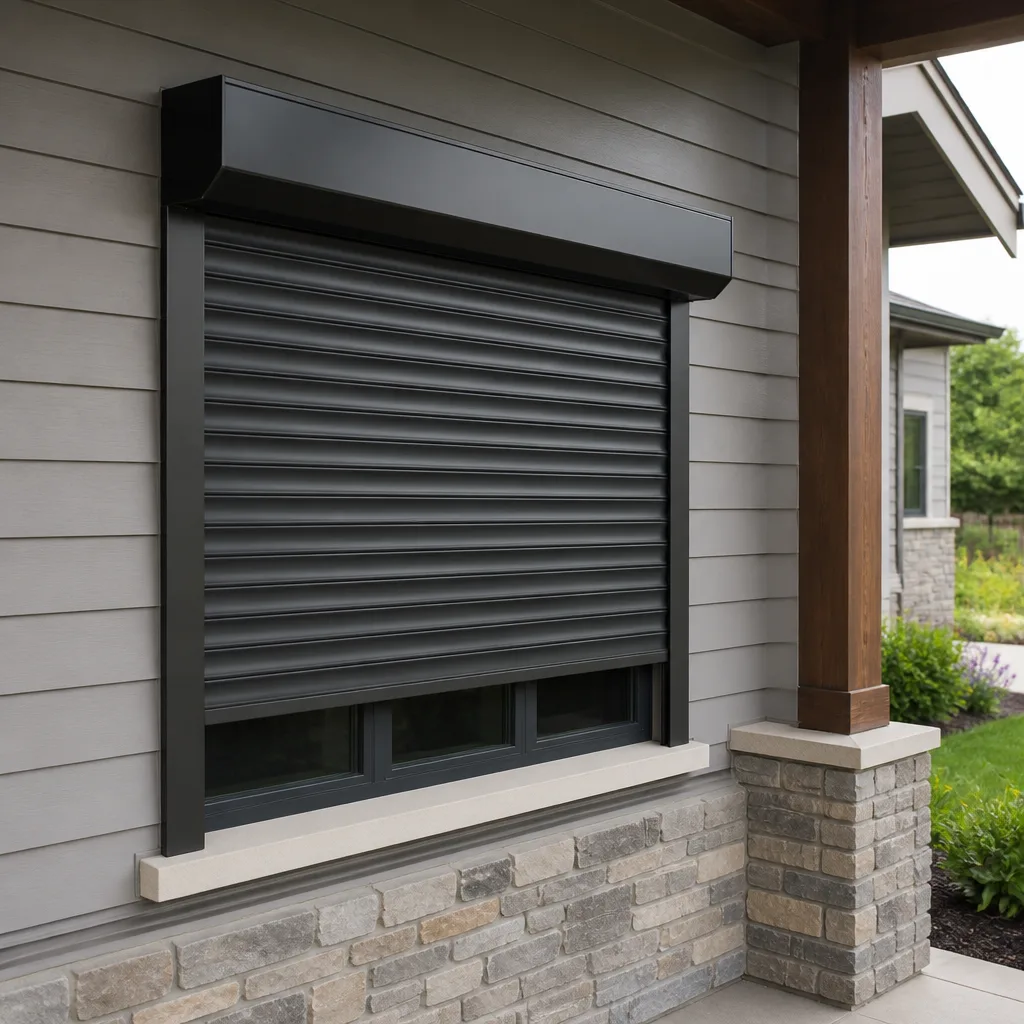
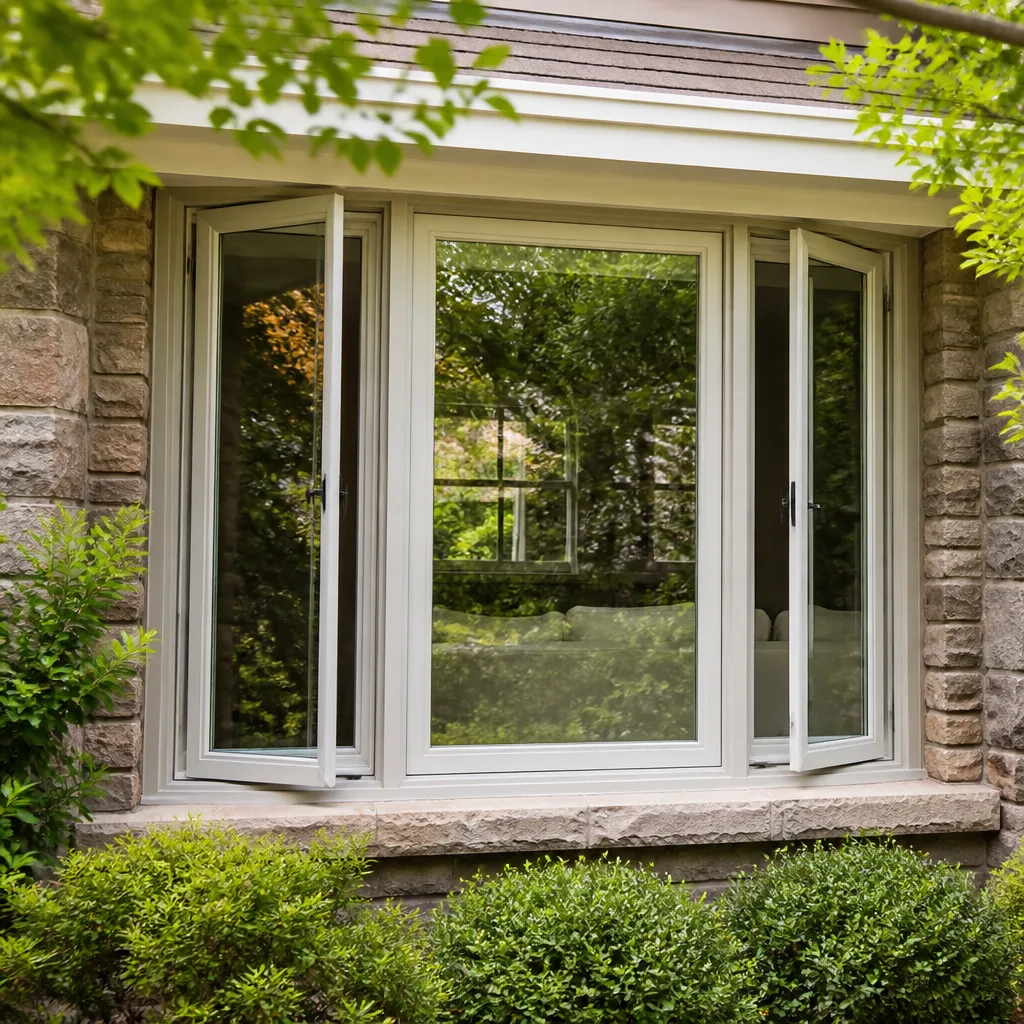
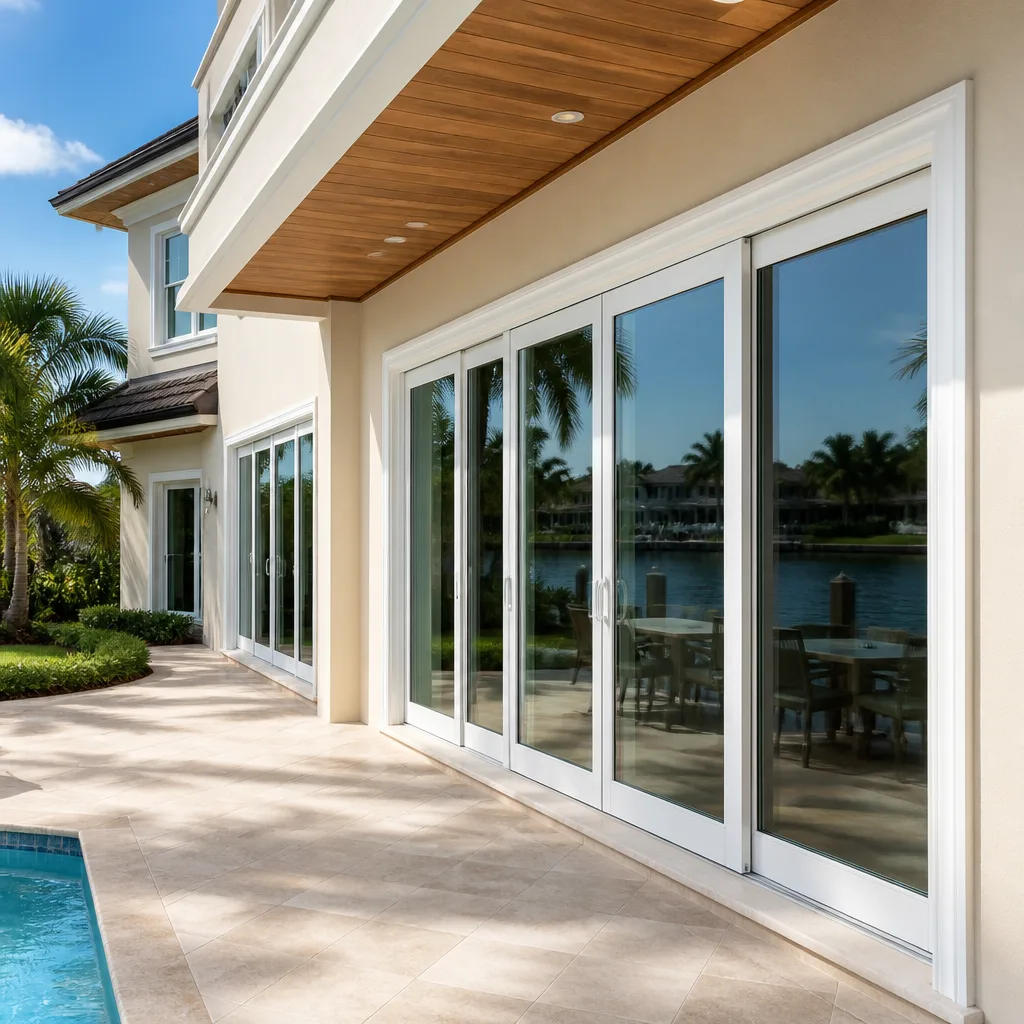

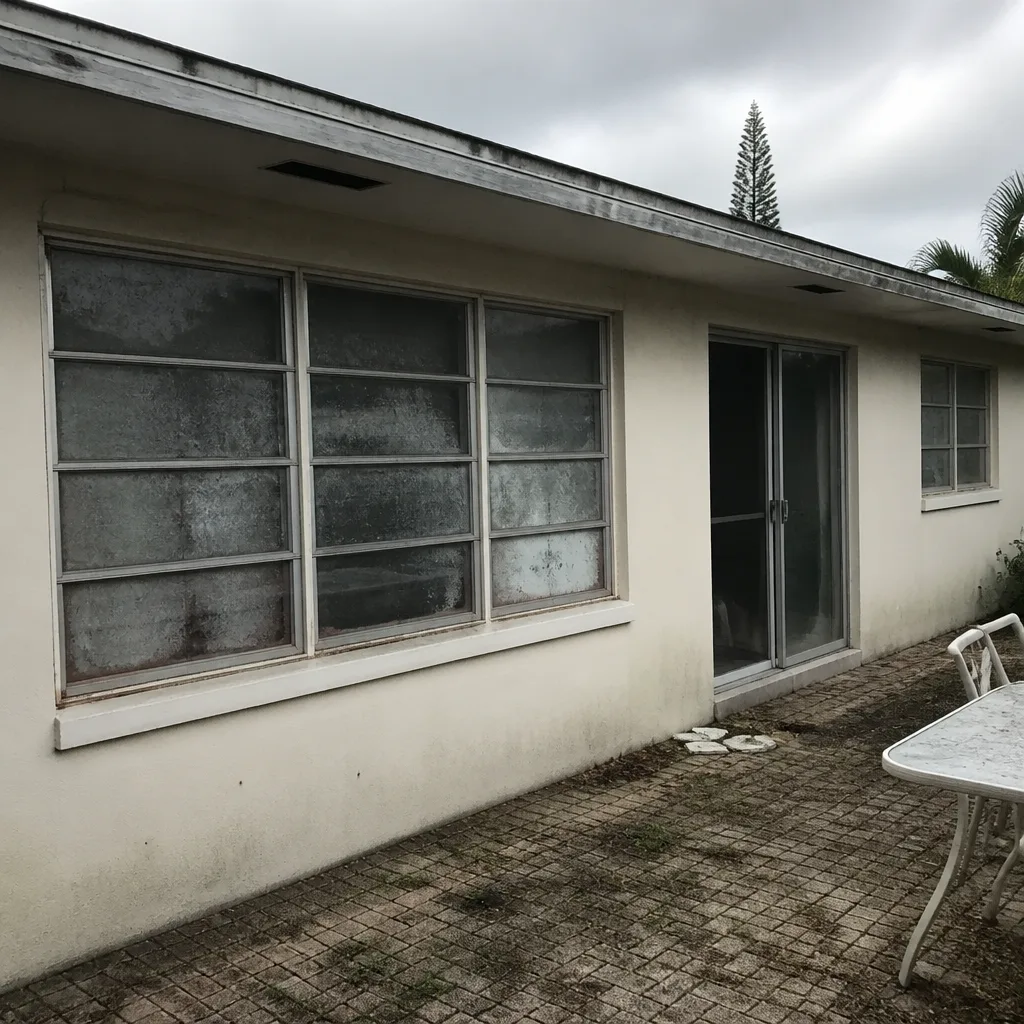 Before
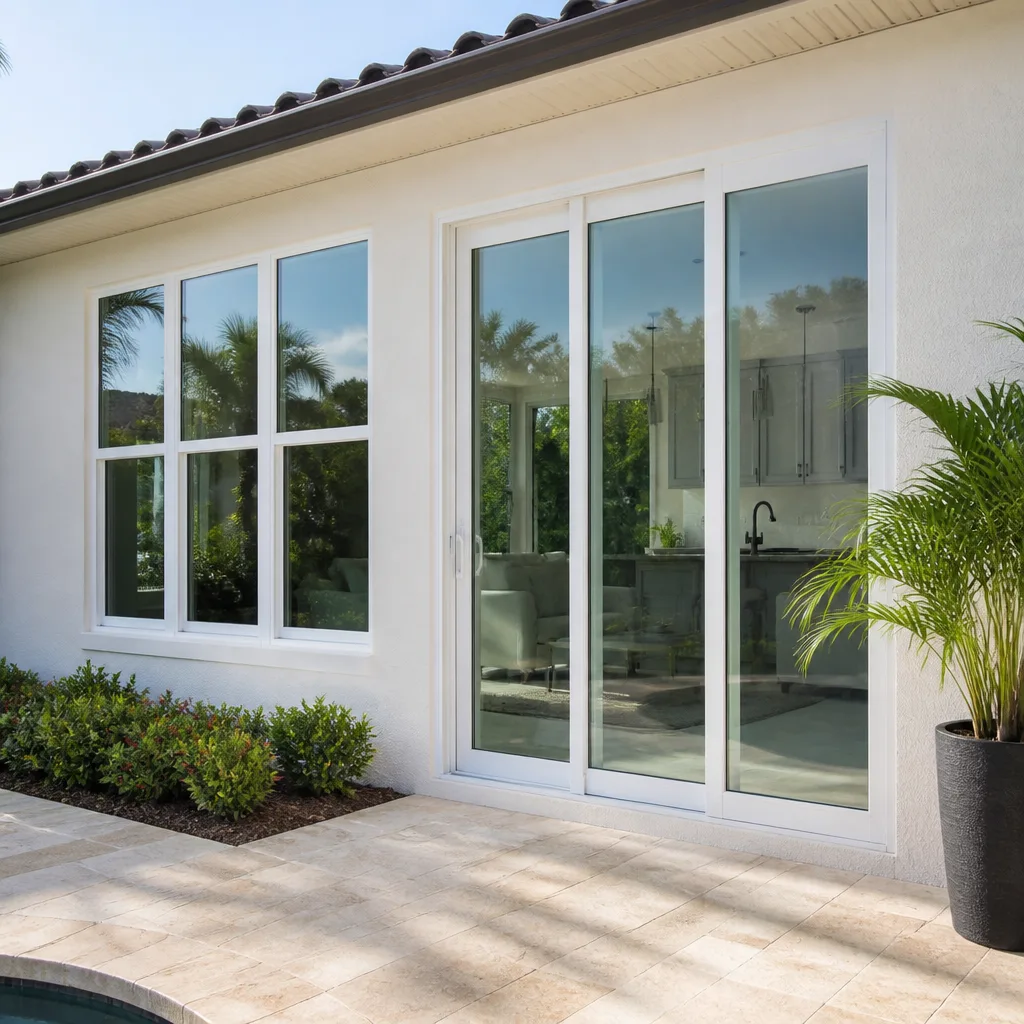 After
After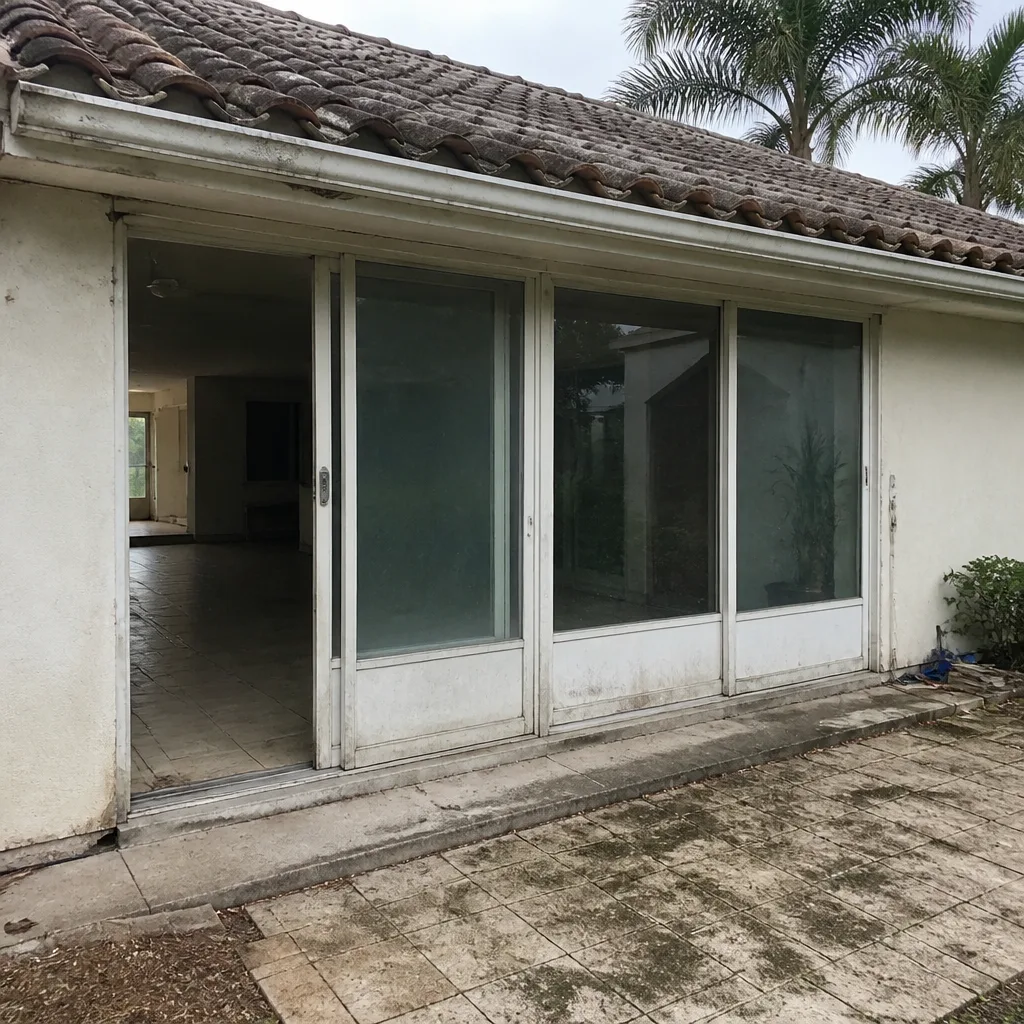 Before
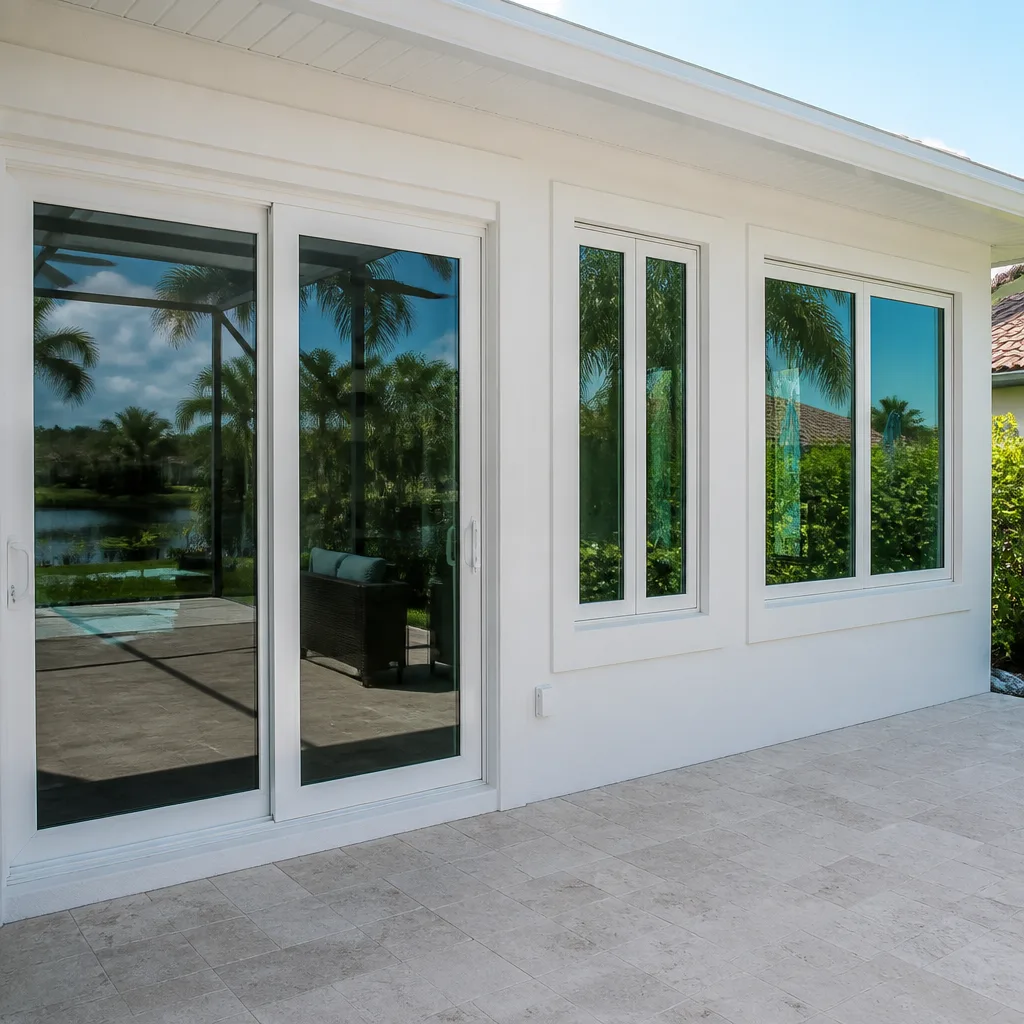 After
After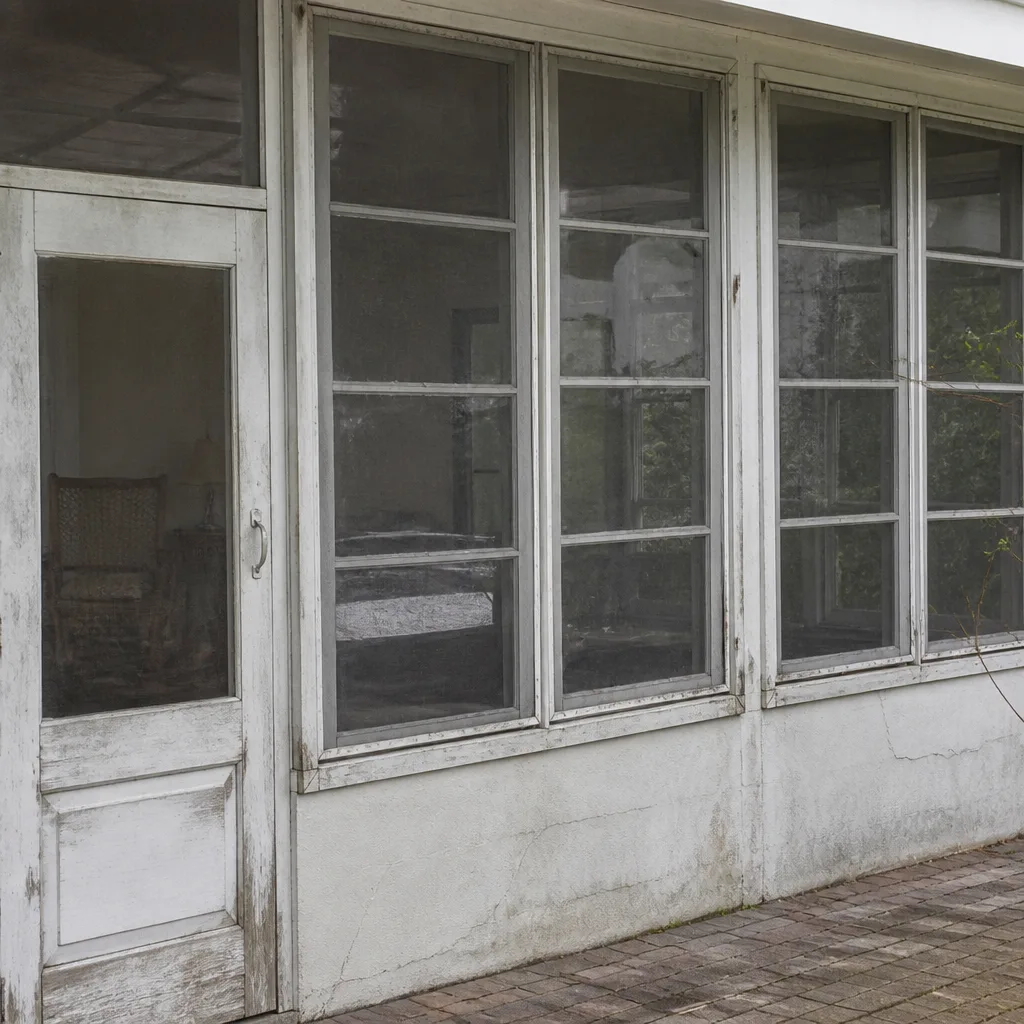 Before
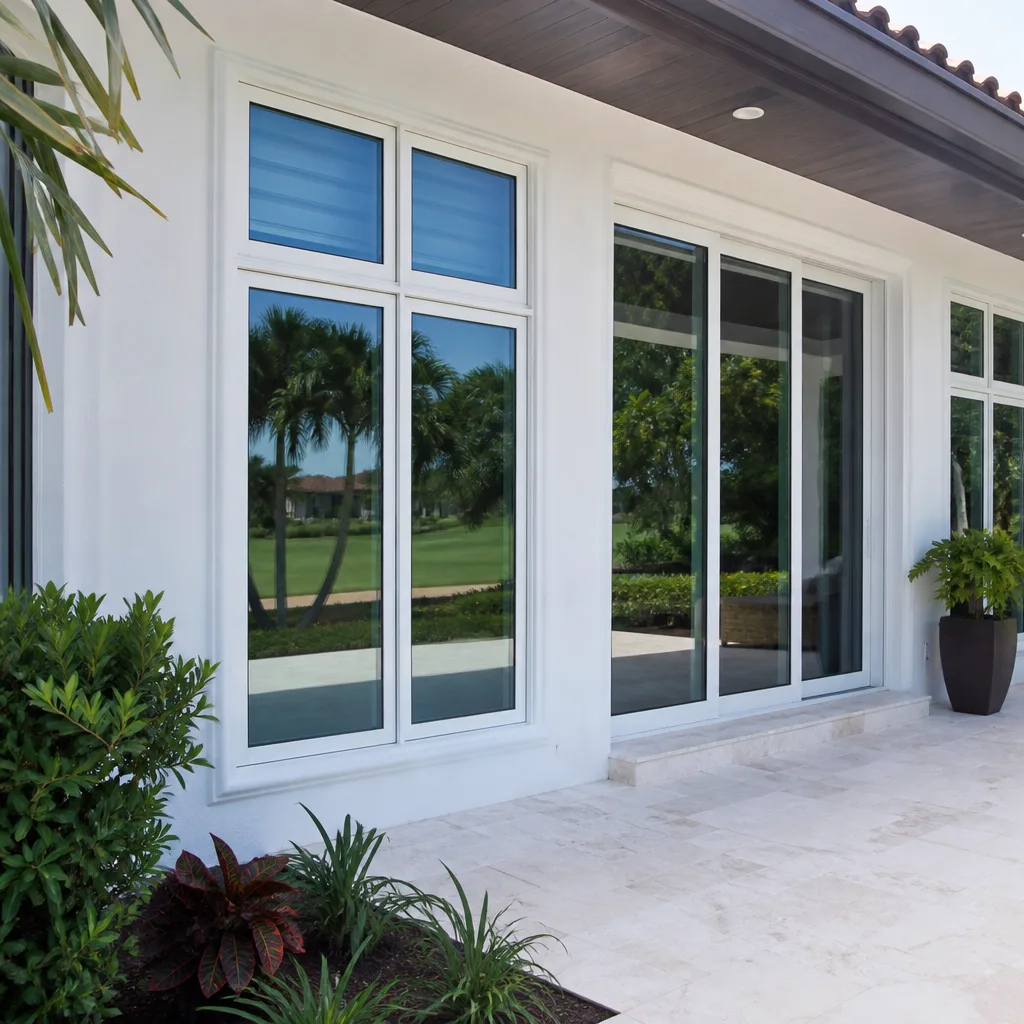 After
AfterHow to Hire a Windows & Doors Contractor in Naples: A Step-by-Step Guide
After Hurricane Ian tore through Collier County, the Florida Department of Business and Professional Regulation logged a 340% spike in unlicensed contractor complaints statewide. A surprising number of those complaints came from homeowners who did check licenses. They pulled the paperwork, saw a number, and felt safe. What they didn’t know is that a general contractor’s license does not automatically authorize window and door installation in an HVHZ county like Collier. This guide closes that gap. We’re going to walk you through the exact license classifications required in Naples, how to verify them in under 90 seconds, the contract clauses that protect your money, and the red flags that out-of-state crews hope you never learn to spot. By the time you finish reading, you’ll know more about vetting a window and door contractor than most people learn after their first bad hire. And you’ll know it before you sign anything.
Quick Answer
To hire a windows and doors contractor in Naples, FL, verify that the contractor holds an active Florida Certified or Registered Building Contractor license, a Specialty Structure license, or a state-certified specialty contractor license that explicitly covers glazing and exterior openings in a High Velocity Hurricane Zone (HVHZ), as detailed in our Windows & Doors Cost Breakdown: The Naples Homeowner’s Reference for 2026. Then check their product authorizations with the manufacturers, require a permit pulled by the contractor (never by you as owner-builder), and lock completion dates, inspector names, and lien waivers into the written contract before any deposit changes hands.
Table of Contents
- The Exact License Classifications Required in Collier County
- How to Verify a License on the DBPR Portal in Under 90 Seconds
- The Owner-Builder Insurance Gap Most Naples Homeowners Discover Too Late
- Five Contract Clauses That Protect You: Plain-Language Breakdown
- Why a Contractor’s Relationship with Product Reps Matters
- Red Flags Specific to the Naples Market
- The 7-Step Hiring Process: From First Call to Final Inspection
- Common Mistakes to Avoid
The Exact License Classifications Required in Collier County
Collier County sits entirely within Florida’s High Velocity Hurricane Zone. That designation isn’t bureaucratic fine print. It changes the building code that applies to every window, door, skylight, and garage door installed on your home. In the HVHZ, products must meet stricter impact and pressure standards than in Miami-Dade’s neighboring counties to the north. The contractor installing those products must hold a license that matches the work.
Here’s what’s actually required in Naples:
- Certified Building Contractor (CBC) or Registered Building Contractor (RBC) - authorized to perform window and door replacement as part of structural work on residential properties.
- Certified Specialty Contractor (SCC) or Registered Specialty Contractor (RSC) with a glazing or exterior opening specialty classification - specifically licensed for window, door, and glass work.
- Certified Residential Contractor (CRC) - permitted to replace windows and doors in one- and two-family dwellings, provided the scope does not require structural alteration beyond the opening itself.
- Specialty Structure Contractor - allowed for specific limited scopes, including certain garage door and impact shutter installations.
What does not qualify? A general contractor license alone. A handyman license. A home inspection license. An out-of-state license from Texas, Louisiana, or anywhere else, even if the crew claims reciprocity. We’ve seen Naples homeowners hire a crew with a shiny GC license from Georgia, only to learn during a permit review that Collier County rejected the application because the license classification didn’t cover glazing in an HVHZ. The crew had already taken a deposit.
If a contractor tells you they don’t need a permit for window replacement in Naples, that’s an immediate disqualifier. The Florida Building Code requires permits for replacement windows and exterior doors in Collier County, period. A contractor who waves off the permit is either unlicensed, planning to cut corners, or both.
How to Verify a License on the DBPR Portal in Under 90 Seconds
The Florida DBPR website is where you check. Not the contractor’s website. Not the license number printed on their business card. Not the Google Business Profile where they can type any digits they want. The state database.
Here’s the 90-second verification process:
- Go to the Florida DBPR website and click “Verify a License.”
- Search by the contractor’s name, business name, or license number. Search by personal name whenever possible. Business names change; a person’s licensing history doesn’t.
- Look at the license status. It must say “Active” or “Current, Active.” If it says “Delinquent,” “Inactive,” “Suspended,” or “Revoked,” you’re done. Move on.
- Look at the license type. Match it against the classifications above. If it says “Certified Building Contractor” and the person is installing impact windows, that’s fine. If it says “Registered Pool Contractor,” it is not.
- Look for complaints and disciplinary actions. The DBPR portal shows whether the license has been disciplined. A clean record doesn’t guarantee a good contractor, but a record with multiple complaints is a useful warning.
Ninety seconds. That’s the time difference between hiring a Naples contractor with a documented, verifiable right to do the work and handing your money to someone who’s hoping you won’t look. In our experience, the contractors who welcome this check during the first conversation are the ones who’ve never had a reason to fear it. The ones who get defensive or say “we’ll send you the license later” almost never do.
The Owner-Builder Insurance Gap Most Naples Homeowners Discover Too Late
There’s a phrase that shows up in contractor bids all over Naples: “homeowner to obtain permit.” Those four words can cost you tens of thousands of dollars. Here’s what that phrase actually means: the contractor is asking you to pull the permit yourself, acting as an owner-builder. Under Florida law, an owner-builder permit allows a homeowner to act as their own contractor on their own residence. It also shifts something else to you: liability.
When you pull an owner-builder permit for impact window installation and something goes wrong, your homeowner’s insurance may deny the resulting claim. The logic from the insurer’s side is straightforward. By pulling the permit as an owner-builder, you represented yourself as the contractor of record. You assumed the responsibility for code compliance, for proper installation, for the safety of anyone working on the job. If a window leaks and the water damage shows up two years later, the insurer can point to that owner-builder permit and argue that the work was performed under your supervision, not by a licensed contractor carrying their own liability coverage.
We’ve spoken with Naples homeowners who discovered this gap only after filing a claim. The conversation starts the same way every time: “But the contractor did all the work. I just signed the permit.” The insurance adjuster’s response is also the same every time: “The permit says you were the builder. Our policy excludes owner-builder work unless it was disclosed and endorsed.”
There’s a reason a contractor asks you to pull the permit. Sometimes it’s because their license doesn’t cover the work. Sometimes it’s because they want to avoid the inspection process. Sometimes it’s because they’re not actually licensed in Florida at all. Whatever the reason, the request should end the conversation. A legitimate Naples window and door contractor pulls the permit under their own license, schedules the inspections, and stands behind the work.
Five Contract Clauses That Protect You: Plain-Language Breakdown
Most window and door contracts in Naples are not written to protect the homeowner. They’re written to protect the contractor from liability and to keep deposits flowing. Here are five clauses that change that balance, explained in language you can actually read without a law degree.
- A Binding Completion Date. “Work will commence on or before [date] and be substantially complete within [number] calendar days of commencement.” This sounds simple, but most contracts say “commence pending schedule availability” or “complete in a reasonable timeframe.” Those phrases mean nothing in a dispute. A binding date with a defined number of days means something. It gives you the right to walk away and recover your deposit if the contractor doesn’t show up. Without it, you’re waiting on a promise.
- A Named Inspector Clause. “All required inspections will be performed by [name of licensed inspector or municipal body] and the homeowner will receive copies of all inspection reports.” Contractors who cut corners don’t want the inspector named in writing, because it creates a paper trail of accountability. You want the inspector named. You want the report. You want to know the work passed before the final payment clears.
- A Lien Waiver Requirement for Every Payment. “Contractor will provide a partial or final lien waiver from itself and all subcontractors and material suppliers with each payment request.” A lien waiver is a document that says: “We’ve been paid, and we won’t put a lien on your house for this amount.” In Florida, subcontractors and suppliers can place a lien on your property even if you paid the general contractor in full. If the contractor doesn’t pay their glazier or their lumber yard, the glazier or lumber yard can come after your house. Requiring lien waivers at every payment stops that.
- Permit Responsibility in Writing. “Contractor is responsible for obtaining all required permits, scheduling all required inspections, and correcting any deficiencies identified during inspection at no additional cost to the homeowner.” This sentence ends the owner-builder conversation before it starts and eliminates the “we found unforseen conditions” upcharge game.
- Product Specification Detail. “Install [brand] [product line] [series number] windows in [quantity], impact-rated to [design pressure rating], with [frame material] frames, [glass type] glass, and [hardware finish] hardware.” A contract that says “replace windows with impact windows” doesn’t tie the contractor to anything specific. They can install whatever clears the permit. A contract that names brand, series, quantity, and performance rating ties the contractor to a product you actually priced and approved.
None of these clauses are exotic. They’re standard protection language that any established Naples contractor has seen before. If a bidder balks at any of them, that reaction tells you what the rest of the job would look like.
Why a Contractor’s Relationship with Product Reps Matters
Impact windows and doors in Naples are not commodities. The products that perform well in a hurricane are specified, engineered, and tested for specific pressure ratings. A PGT WinGuard window is not interchangeable with whatever the contractor got at a discount after a warehouse overstock. The relationship between the contractor and the manufacturer’s local rep determines what happens when something goes wrong at year six.
Here’s what a direct factory relationship gives you, the Naples homeowner:
- Warranty registration that actually goes through. Impact window warranties from PGT, CGI, and Therma-Tru require dealer registration. A contractor who is an authorized dealer registers the products with the manufacturer under your name and address. A gray-market reseller buys inventory through a third party and often can’t register the warranty at all. You don’t find that out until you file a claim and the manufacturer says they have no record of your windows.
- Priority scheduling for replacements. When a window arrives warped or a door slab is out of square, an authorized dealer gets the replacement part placed at the front of the production queue. A contractor buying from a reseller waits weeks or months. In Naples, where a missing window is an actual storm vulnerability, that wait matters.
- Factory support for engineering questions. Not every opening is standard. Some Naples homes have custom geometric shapes, mitered corners, or openings that require a specific design pressure calculation. An authorized dealer can call the factory’s engineering department and get the answer the same day. A reseller can’t.
When you’re interviewing contractors, ask a simple question: “Are you an authorized dealer for the brands you install? Can I verify that with the manufacturer?” A direct dealer will say yes and tell you how to check. A reseller will change the subject to price. We install eight brands by authorization: PGT, CGI, CWS, ES Windows, ECO Window Systems, Mr-Glass, Therma-Tru, and ViewLux. That authorization is something you can verify with any of those manufacturers by phone. If a contractor can’t offer you that same verification for their products, that’s a signal worth listening to.
Red Flags Specific to the Naples Market
Naples attracts a particular kind of contractor problem that other Florida cities see less of: the post-storm caravan. After Ian, after Irma, after every named storm that clips Collier County, crews from Texas, Louisiana, Georgia, and the Carolinas arrive with a truck, a ladder, and a pitch. They work the door-knocking circuit, collect deposits, complete a few jobs, and disappear before the next season. They leave behind a trail of unpermitted work and unregistered warranties. Here’s how to spot them before you sign.
- Subcontractor chains. You hire a company. That company subcontracts the installation to a crew. That crew subcontracts the trim work to someone else. Each layer of subcontracting adds someone who wasn’t vetted by you and probably wasn’t vetted by anyone. In Naples, we see this pattern most often with out-of-county sales offices that sell jobs and then find the cheapest local labor to complete them. Ask directly: “Who will be on my property, and do you personally employ them or are they subcontracted?” If the answer involves more than one layer of subcontracting, get the names and verify each one. Or move on.
- Out-of-county office addresses. A Naples contractor with a Fort Myers, Miami, or Tampa address is not automatically a red flag. But a Naples contractor with no physical address at all, or an address that turns out to be a UPS store, is. Ask for the published address. Check it on a map. Is there a building there? Is it the kind of building a contractor would actually operate from? Ed Winslow’s name is on our business, and our address is published. If a contractor can’t show you where they work, they can’t be held responsible for the work they do.
- Bids that omit permit fees as a line item. Every legitimate window and door replacement in Naples involves a permit. The permit costs money. A bid that doesn’t list permit fees as a line item is either planning to skip the permit, planning to stick you with an unexpected charge later, or both. Look for the line. It should say something like “Permit and inspection fees: $[amount].” If it’s missing, ask why. If the answer is “we’ll handle that later,” you’re looking at a change order waiting to happen.
- Deposit demands above 50%. Florida statute caps initial deposits for residential contractors at 10% of the contract price or $1,000, whichever is less, unless the contractor provides certain protections. After the initial deposit, additional funds should be tied to work completed. A contractor demanding 50% or 60% up front, especially from a homeowner in a vulnerable property, is either in financial trouble or planning to be.
The 7-Step Hiring Process: From First Call to Final Inspection
Here’s the full process, in order, for hiring a windows and doors contractor in Naples. Follow it step by step and you’ll filter out most of the bad actors before they ever walk your property.
- Call and ask the license question first. Before you schedule an estimate, before you discuss a single product, ask: “What is your Florida license number, and what classification is it?” A live person should answer this immediately. If the phone rings to voicemail, if the person on the line stumbles, if the answer is “we’ll get that to you,” you have learned something. Winslow answers every call with a live person, 24 hours a day. That’s what accountable looks like.
- Verify the license on the DBPR portal. Take the number you received and run the 90-second check described above. Do this before the contractor arrives. Don’t fall for the charm of an in-person pitch and skip the verification because the person seemed nice.
- Ask the product authorization question. “Are you an authorized dealer for the window brands you install? Can I verify that with the manufacturer?” Write down the brands they name. Then call one of those manufacturers and confirm. This step filters out a surprising number of contractors who install fine products through questionable channels.
- Get a written estimate with permit fees as a line item. The estimate should list materials, labor, permits, inspections, and warranty terms. If the estimate is a paragraph long and generic, ask for specificity. If they won’t provide it, that’s your answer.
- Ask the “who shows up” question. “Will the people installing my windows be your employees or subcontractors? If subcontractors, who are they, and can I see their licensing and insurance?” Contractors who employ their own installers know exactly who will be on your property and what background checks they’ve passed. Contractors who use sub crews often don’t.
- Read the contract, then read the clauses. Look for the five clauses outlined in the contract section above. If any are missing, ask why. If the contractor won’t add them, walk away. A contractor who won’t commit to a completion date or a lien waiver in writing is telling you how the job will end.
- Schedule the estimate, then the work. Once the contract is signed, schedule the estimate for a specific date and time. A good contractor in Naples can typically begin work within a reasonable window after permit approval. Once the permit clears and installation begins, plan to be present or available for questions. If the contractor disappears for a week and stops returning calls, refer to your binding completion date clause and start documenting.
Common Mistakes to Avoid
- Checking the license once, at the start, and never again. License status changes. A contractor can let their insurance lapse mid-job. Check the DBPR portal before you sign and again before final payment.
- Assuming a general contractor license covers window replacements. It may. It may not. Collier County’s HVHZ requirements mean the license classification must match the work. Verify the classification, not just the license number.
- Pulling an owner-builder permit to “save money.” The savings, if any, is dwarfed by the insurance gap you create. Let the contractor carry the permit and the liability. That’s part of what you’re paying for.
- Comparing bids line by line without comparing their permit and inspection approach. A lower bid that excludes permits and inspections isn’t lower. It’s dangerous.
- Hiring based on the lowest price per window. In Naples, impact windows are a structural investment, not an aesthetic upgrade. The cheapest option often means a gray-market product with no warranty registration and an installer who won’t be around next hurricane season.
- Not asking about the crew. You’re letting people into your home for a multi-day project. Ask who they are, who employs them, and what background checks they’ve passed. A contractor who can’t answer that question isn’t managing their own business.
- Waiving the lien waiver requirement. This is the one clause that protects you from paying twice. If you waive it and a supplier puts a lien on your house, you have no one to blame but the contractor who asked you to sign the waiver. Don’t.
When to Call a Professional
Window and door replacement in Naples is not a DIY project. The HVHZ code requirements, the structural implications of impact-rated products, the permitting process, and the liability issues are too complex for a homeowner to navigate alone, even with the best YouTube tutorials. If you’re seeing condensation between panes, if your doors no longer seal, if you’re planning to sell and need to satisfy an insurer’s wind mitigation requirements, or if you simply know your windows are due for replacement, call a professional. Winslow Windows & Doors offers free estimates in Naples. Call (239) 899-6411 and a live person will answer. No voicemail loops. No call centers. Just a neighbor who’s been doing this since 2011.
Frequently Asked Questions
Check the Florida DBPR portal for an active Certified or Registered Building Contractor, Residential Contractor, or Specialty Contractor license that covers glazing or exterior openings in the High Velocity Hurricane Zone. Search by the contractor’s personal name, verify the license status is “Active,” and confirm the classification matches the scope of work. A general contractor license alone does not automatically authorize window and door installation in Collier County.
Impact window replacement in Naples typically ranges from $800 to $1,800 per opening installed, depending on size, brand, design pressure rating, and frame material. Premium brands like PGT, CGI, and Therma-Tru sit at the higher end of that range, along with custom geometric shapes. For an exact quote on your home, call Winslow Windows & Doors at (239) 899-6411 for a free estimate.
No. The Florida Building Code requires permits for replacement windows and exterior doors in Naples and throughout Collier County. Any contractor who suggests skipping the permit is either unlicensed, avoiding inspections, or planning to cut corners. A legitimate contractor pulls the permit under their own license and schedules all required inspections.
An owner-builder permit allows a homeowner to act as their own contractor on their own property. While legal, it creates a significant insurance gap: if the work fails and causes damage, your homeowner’s insurance may deny the claim because you represented yourself as the builder of record. For impact window and door installation in Naples, the contractor should always pull the permit under their own license.
Most single-family window and door replacement projects in Naples take between one and five days of on-site work, plus permitting and inspection time that varies based on Collier County’s current processing schedule. The on-site duration depends on the number of openings and whether the home requires any structural preparation. Your contract should specify a binding completion date so you’re never left waiting on an open-ended promise, as we explain in our Seasonal Windows & Doors Care for Naples: Year-Round Homeowner’s Guide.
Winslow Windows & Doors is an authorized installer for eight premium brands: PGT, CGI, CWS, ES Windows, ECO Window Systems, Mr-Glass, Therma-Tru, and ViewLux. We’re factory-authorized for every brand we install, which means warranty registration goes through correctly and you get priority support from the manufacturer if you ever need it. Call (239) 899-6411 to discuss which brand fits your home and budget.
The Bottom Line
Hiring a windows and doors contractor in Naples comes down to verification, not trust. Verify the license on the DBPR portal. Verify the classification matches the work. Verify the product authorization with the manufacturer. Verify the permit is pulled by the contractor, not by you. Verify the contract contains a binding completion date, a named inspector, and lien waivers. The contractors who welcome all of these checks are the ones who’ve run accountable businesses in Collier County through hurricanes, code changes, and thousands of installations. The contractors who resist any of them are showing you who they are. Since 2011, Ed Winslow has put his name on every job we do, and our 36500-Day Done Right Promise means we’re still standing behind the work a hundred years from now. If you’re ready to replace windows or doors in Naples, start with a free estimate. Call (239) 899-6411 or explore our Impact Windows in Naples, Window Installation in Naples, and Window Replacement in Naples pages to learn more. We’re the one down the road.
Written by Ed Winslow, Owner at Winslow Windows & Doors, serving Naples since 2011.
Six Reasons Homeowners Choose Winslow Windows & Doors
Impact systems engineered to design pressures up to +/-100, matched to your wind zone - your openings hold when the storm arrives.
Low-E insulated impact glass from our manufacturer lines commonly cuts monthly cooling bills 20-30%.
Laminated impact glass shuts out up to 40% of outside noise - traffic, neighbors, weather.
Monitoring services run $30-90 a month. Laminated impact glass resists forced entry around the clock, with no subscription.
Florida homeowners average around 25% savings on the windstorm portion of their policy after protecting every opening - some homes qualify for more.
A full impact package upgrades curb appeal, buyer confidence and appraised value in one project.