
Last updated August 28, 2026
Free in-home measure and quote - PGT, CGI and CWS impact lines compared on your actual openings, style by style






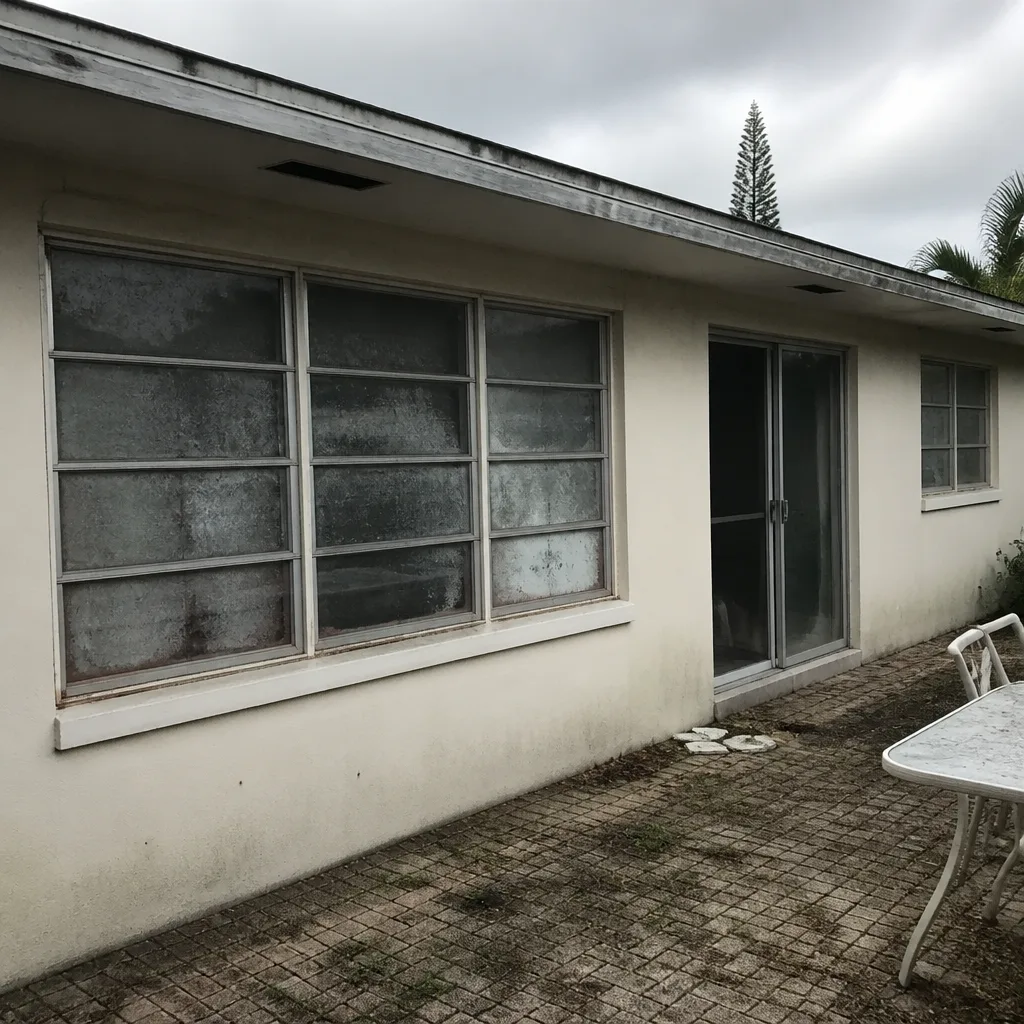 Before
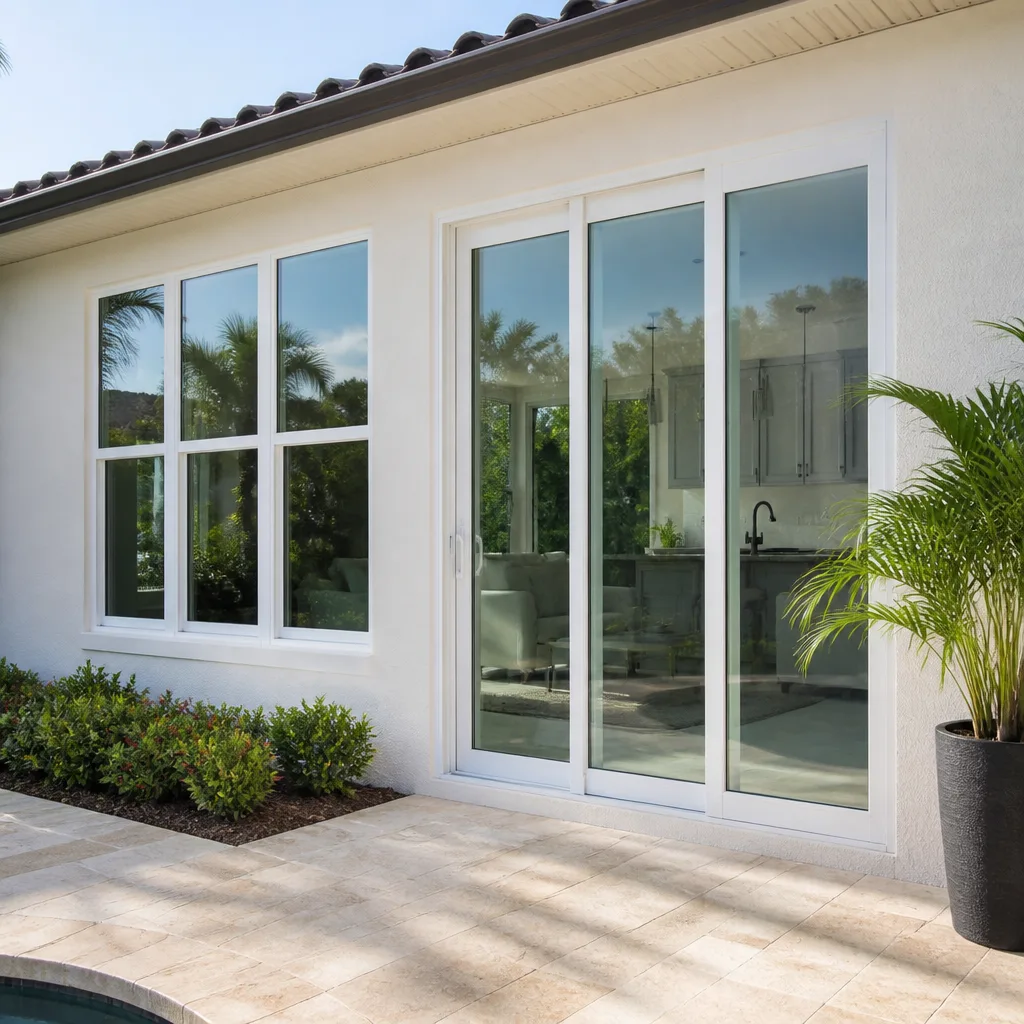 After
After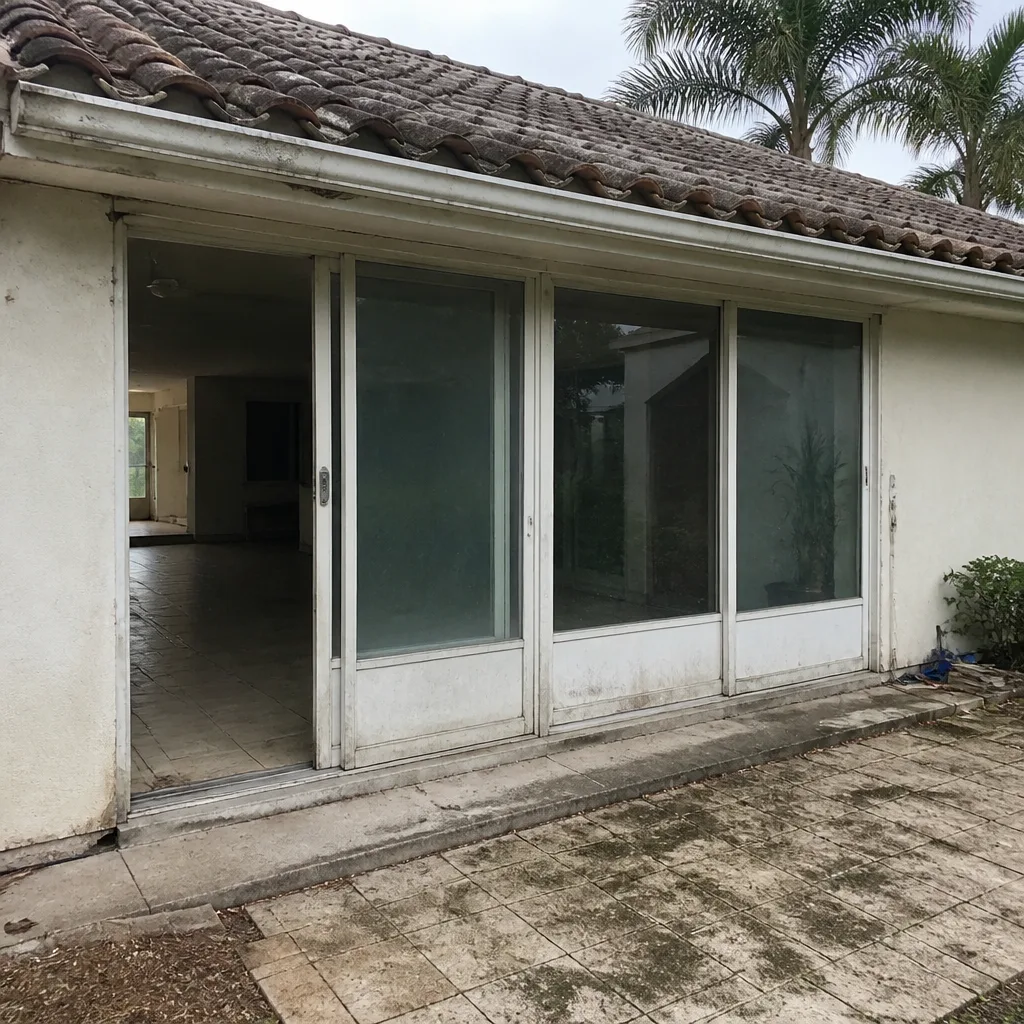 Before
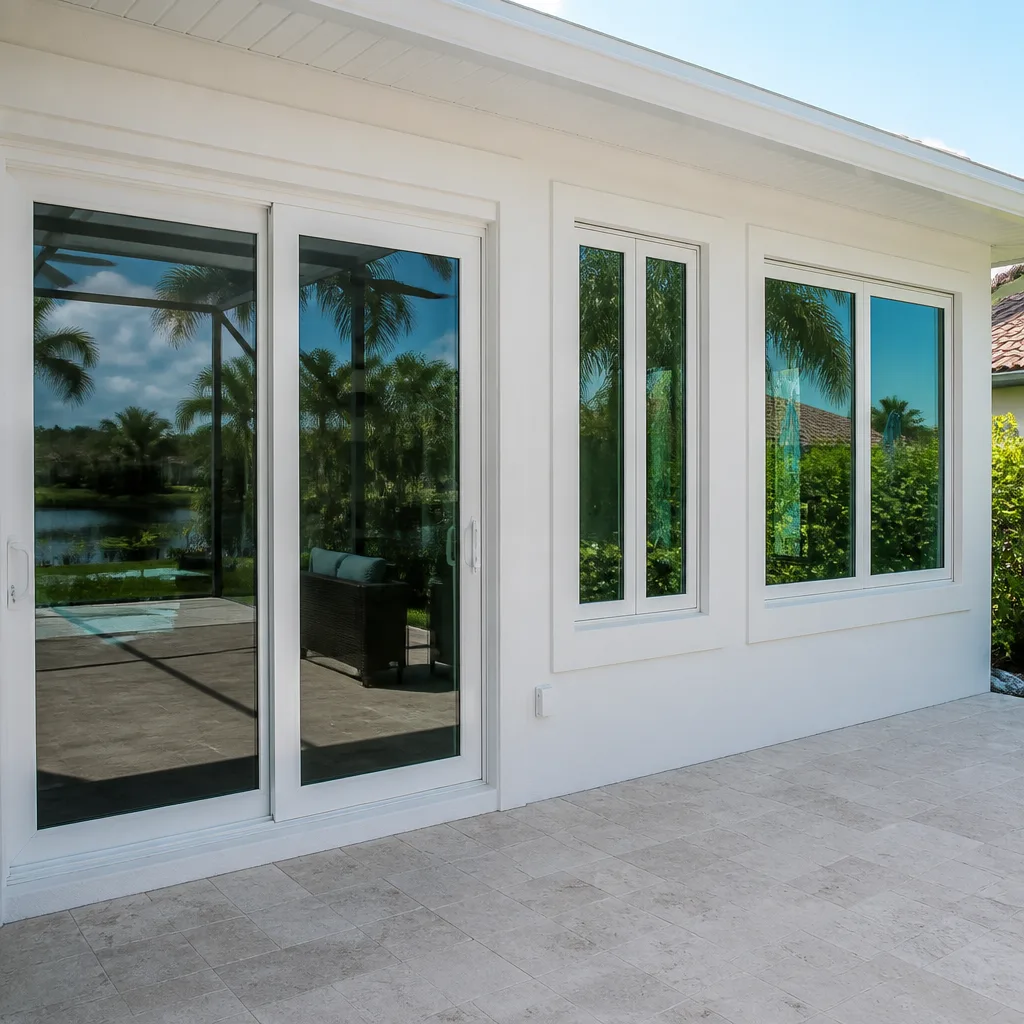 After
After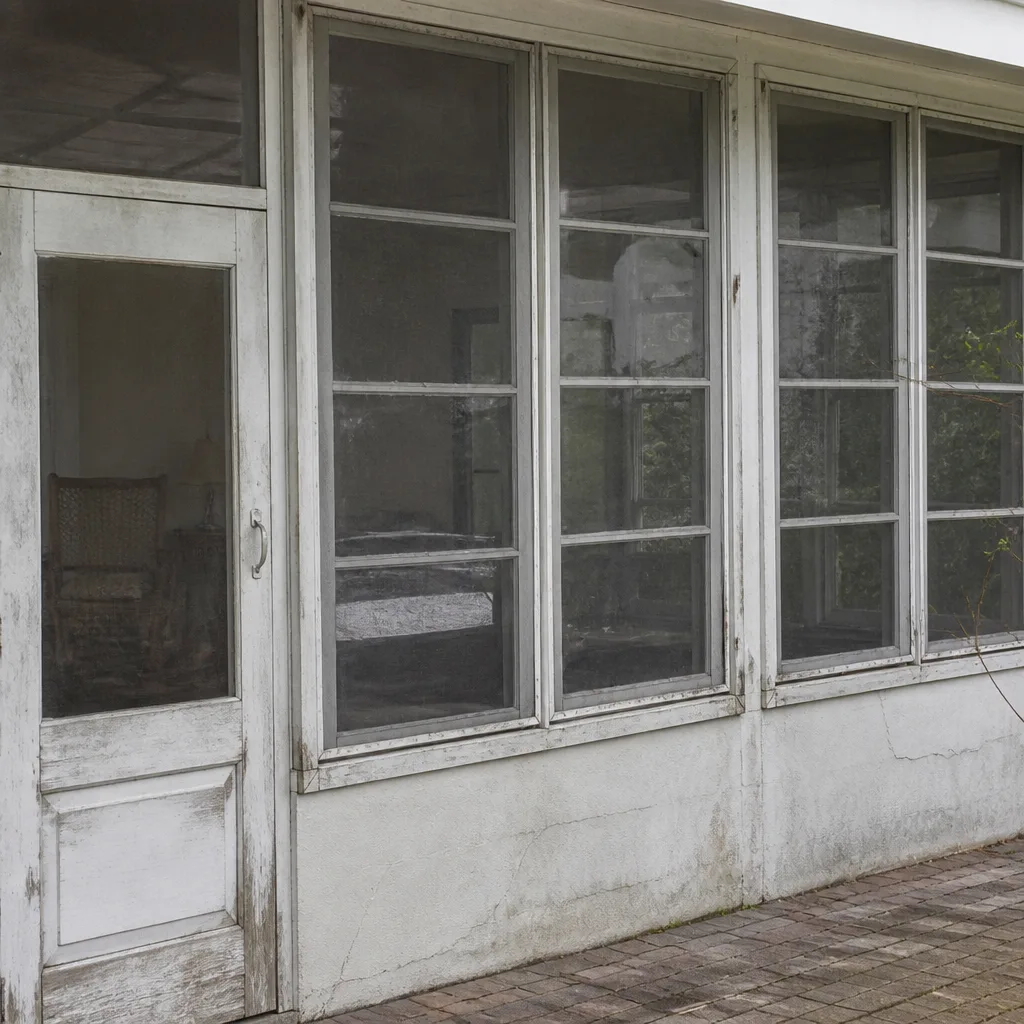 Before
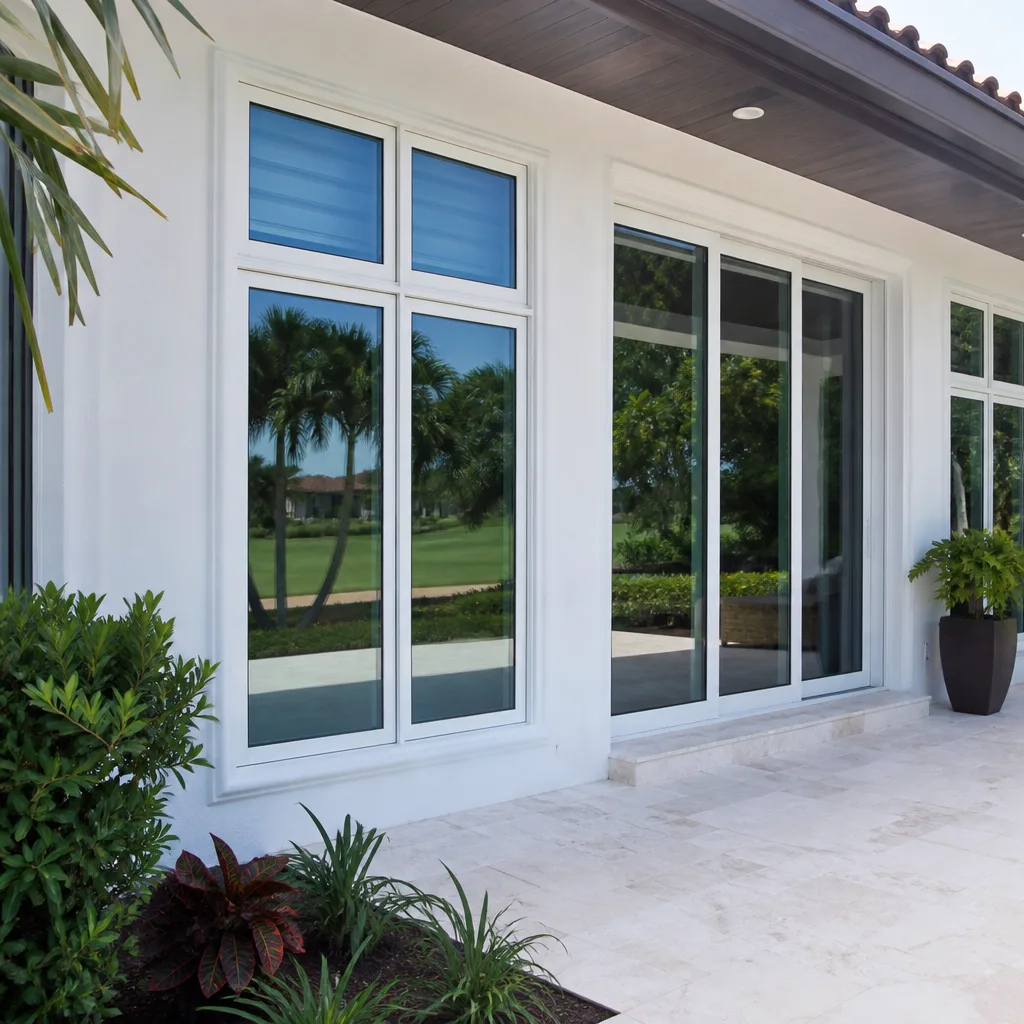 After
AfterImpact Windows Maintenance Checklist for Naples Homeowners
A hairline seal failure on an impact window doesn’t void the storm protection immediately. It voids it gradually, showing up as fogging between the panes, frame corrosion along the bottom track, and finally a unit that flexes under pressure instead of holding. Most Naples homeowners don’t catch it until hurricane season is two weeks out and every contractor in Collier County is booked. This guide gives you a maintenance calendar built for Naples specifically: salt air, nine months of UV hammering, and humidity cycles that test seals harder than any freeze-thaw winter ever could. You’ll learn what to check monthly, what cleaning products wreck laminated glass, and when a problem belongs to the manufacturer’s warranty, your own two hands, or a professional looking at it before the next named storm. Ed Winslow has been inspecting and installing these units in Naples since 2011, and the failures we see follow a pattern. This checklist follows the same pattern, so you catch things early.
Quick Answer
Impact window maintenance in Naples comes down to a monthly 15-minute inspection: clean the tracks and weep holes, check for salt crust around hardware, test the locking mechanism, and look for any fogging, gasket separation, or frame pitting. Deep cleaning happens twice a year, timed to November (after wet season) and April (before storm season). Use only pH-neutral cleaners and microfiber cloths, never ammonia, vinegar, or abrasive pads. And if you see fog between the glass panes, that’s a sealed-unit failure, not a cleaning issue, so call a window professional before the next hurricane watch.
Table of Contents
- Why Naples Eats Standard Maintenance Schedules
- The 15-Minute Monthly Checklist
- Seasonal Maintenance Calendar for Naples
- Testing and Clearing Weep Holes: The Most Overlooked Step
- What Corrosion Looks Like on PGT and CGI Frames at 3, 7, and 10 Years
- Cleaning Chemistry: What Actually Touches Low-E and Laminated Glass
- Warranty Call, DIY Fix, or Professional Re-Inspection?
- Common Mistakes to Avoid
- When to Call a Professional
- Frequently Asked Questions
- The Bottom Line
Why Naples Eats Standard Maintenance Schedules
Manufacturer maintenance guides assume a generic environment. Naples is not generic. The salt aerosol drifting off the Gulf settles on every exterior surface, and when it combines with 80% humidity for five months straight, you get a corrosive film that works into aluminum frames, stainless hardware, and even the micro-gaskets around the glass. UV index in Naples averages 8 to 10 through most of the year, which means rubber seals, vinyl glazing beads, and weatherstripping age roughly twice as fast as they would in a northern climate. Add the wet-season dry-out cycle, where frames expand with absorbed moisture then contract in the dry winter air, and you get stress fractures in sealant that static climates never see.
What this means practically: a maintenance schedule written for a Cleveland homeowner tells you to inspect seals annually. In Naples, annual is not enough. We’ve pulled apart five-year-old units in Park Shore and Pelican Bay with seal failure already underway, because the combination of salt and UV had degraded the outer glazing gasket. The inner laminate was fine, the storm protection was still mostly intact, but the window was on borrowed time. The maintenance approach that works here is observation-based: look at the unit’s condition, not the calendar.
Three specific Naples stressors to watch for:
- Salt crust on exposed hardware. After a few months of onshore breeze, you’ll see a white, chalky residue on hinges, locks, and handles. It’s not cosmetic. That crust traps moisture against the metal and accelerates pitting. If left alone for a full year, stainless steel screws in aluminum frames can seize so badly they shear off during a simple adjustment.
- Mold in the track channels. Wet season condensation runs down the inside of the frame and collects in the track. If weep holes are blocked, that water sits for days. Mold grows. Then the mold holds moisture against the frame and starts the corrosion cycle we just described. In Naples, mold in window tracks is not a cleaning issue. It’s a drainage failure symptom.
- UV embrittlement of weatherstripping. The rubber bulb seals around the sash edges turn hard and brittle under constant UV. They lose their rebound, which means the compression seal fails, which means wind-driven rain gets a path in. You’ll hear a whistle in the frame on windy days before you ever see water. That’s the earliest warning sign.
If you’re in a neighborhood close to the water, like The Moorings or Old Naples, the salt exposure is worst within a mile of the beach. Farther inland, in Golden Gate Estates or Lely Resort, you trade some salt for more standing humidity and organic growth. Both environments demand more frequent inspection than any generic manual will tell you.
The 15-Minute Monthly Checklist
Fifteen minutes, once a month, every window. That’s the entire maintenance commitment for most Naples homes. The key is doing it consistently, because the point is to catch changes. A window that looked fine in February and has new corrosion in May tells you something specific about where the water is getting in. Do this on the first weekend of each month, and you’ll build a mental baseline for every unit in the house.
Here’s the exact sequence we recommend to homeowners after every window installation in Naples:
- Look at the glass from an angle. Direct-on viewing hides haze. Look across the glass plane at a sharp angle, and any film, residue, or interior fogging becomes obvious. Check both inside and outside surfaces.
- Run your finger along the bottom edge of the frame. Feel for rough spots, flaking finish, or a powdery residue. On painted aluminum frames, this is where salt corrosion starts first.
- Open and close the window fully. Pay attention to how it feels. Any grinding, catching, or extra resistance means debris in the track or hardware wear. A window that used to slide easily and now needs a push is telling you something.
- Lock and unlock the mechanism. Impact windows need the locks fully engaged to transfer load to the frame. If the lock doesn’t snap cleanly into place, or if the handle feels loose, the window is not storm-secure.
- Inspect the weatherstripping. Press it with your finger. It should spring back immediately. If it stays compressed, or if it feels hard and leaves a flat spot, it’s lost its rebound and needs replacement.
- Check the weep holes. Look at the exterior bottom of the frame. You’ll see small slots or round holes. They should be open and clean. If you see debris, dark staining, or organic growth around them, they need clearing. We cover this in depth below.
- Wipe down visible hardware. A dry microfiber cloth removes salt film before it becomes crust. Thirty seconds per window. No chemicals needed for a monthly wipe.
- Scan the caulk joints. Look around the exterior perimeter of the frame. Cracking, pulling away, or gaps in the caulk line are entry points for water. Also check where the frame meets the stucco or trim.
The goal is not to fix everything during this monthly pass. The goal is to know what’s changing so you can schedule repairs before they become failures. If you notice something new, take a photo on your phone. A dated photo series is the single best documentation for a warranty claim, and it helps any technician understand exactly when a problem started.
Seasonal Maintenance Calendar for Naples
Naples has two real seasons: wet and dry. Hurricanes are a five-month overlay on top of that. Each season stresses different components, so the maintenance tasks shift. Here’s the calendar we use for our own clients’ homes, including the impact windows in Naples we’ve installed over the years.
November: Post-Wet-Season Deep Clean
The rains have stopped, the humidity is dropping, and whatever grew in your window tracks over the summer is now dried out and crusted in place. This is the big cleaning month. Remove all loose debris from the tracks with a vacuum or brush. Clean the glass with a proper solution (see the cleaning chemistry section below). Flush the track channels with clean water and verify the weep holes drain. Inspect all hardware for corrosion that developed during the wet months. This is also the right time to replace any weatherstripping that got waterlogged and compressed. If your windows are five years old or older, pay special attention to the condition of the glazing gaskets around the glass edges.
December through February: Dry Season Dust Control
Naples dry season brings dust. Fine, gritty dust settles on every horizontal window surface and works into the tracks. The monthly checklist handles most of this, but in dry season you want to add one extra step: vacuum the track channels rather than just wiping. Dust acts as a sandpaper when the sash slides over it, wearing down the nylon glide buttons and creating grooves in the track. It also clogs weep holes even faster than organic matter because it compacts into a paste when moisture hits it.
April: Pre-Storm-Season Mechanical Check
April is the month for a complete mechanical inspection, because once June arrives, every window professional in Southwest Florida is booked solid. Test every locking mechanism under load: lock the window, then press firmly on the sash from inside and outside. There should be no movement. Check all fasteners for tightness. Operate every window in the house, including the ones you never open. A window that hasn’t been opened in six months can develop track adhesions, especially with salt in the mix. Lubricate hardware with a dry PTFE or silicone lubricant, nothing petroleum-based. If you find anything questionable in April, you still have eight weeks to schedule a repair. If you find it in August, you’re in the line with everyone else.
May through October: Wet Season Vigilance
During hurricane season, the monthly checklist becomes twice monthly, and after any heavy storm pass, do a quick visual sweep of every window. Look for water intrusion, fresh corrosion, new fogging, or seal displacement. The wind-driven rain of a tropical system finds weaknesses that normal rain never touches. If you see water beads inside the frame, or if a window develops condensation between the panes after a storm, that’s a red flag. Document it, and call a professional. Do not wait until the next advisory to address it.
Testing and Clearing Weep Holes: The Most Overlooked Step
Weep holes are the small drainage openings at the bottom exterior of every window frame. Their job is simple: let water that gets past the outer seal drain back out. But in Naples, weep holes clog constantly. Salt crystallizes in them. Wind-blown sand packs into them. Organic debris and mold grow in them. We estimate that more than half the window frame corrosion we see in coastal Naples homes starts with blocked weep holes. The water can’t escape, so it sits in the track and eats the frame from the inside.
Here’s how to test and clear them:
- Locate the weep holes. They’re on the exterior bottom rail of the frame. Depending on the window style, they’ll be small rectangular slots, round holes, or a continuous drip channel with a flap cover. PGT and CGI frames both use visible weep slots on the sill face, though some models have them concealed under a removable sill cover.
- Do a water test. Pour about eight ounces of clean water into the interior track channel. Watch the exterior weep holes. The water should drain out within about 30 seconds. If it doesn’t, the holes are blocked.
- Clear with a soft probe. Use a wooden toothpick, a plastic zip tie, or a segment of trimmer line. Never use a metal wire or screwdriver, which will scratch the finish and create a corrosion anchor point. Gently work the probe into each hole and dislodge the blockage.
- Flush with clean water. After probing, pour water through again. If the flow is still slow, the blockage is deeper in the drainage channel. A can of compressed air, the kind used for electronics, can help push loose material out. Direct the nozzle from the interior side outward.
- Watch for crusty buildup. If you see white or gray crystalline material around the weep hole edges, that’s mineral and salt deposition. Use a soft nylon brush and a 50/50 mix of water and white vinegar to dissolve it, but only on the frame, never on the glass. Rinse thoroughly with plain water afterward.
- Check after every major storm. Heavy wind-driven rain moves more water through the frame than normal rain. Weep holes that were borderline before a storm will clog during it. Make this a standard post-storm inspection item.
If a window consistently drains slowly even after clearing, or if you see water staining on the interior wall below the window, the drainage channel inside the frame may be thoroughly blocked, or the frame may have opened a seal leak. That’s a call to schedule an inspection. A frame holding standing water is losing integrity every week it goes unaddressed.
What Corrosion Looks Like on PGT and CGI Frames at 3, 7, and 10 Years
We’ve serviced thousands of impact window frames in Naples, and the corrosion pattern follows a predictable timeline. Understanding where your windows are on that timeline helps you know what’s normal for age versus what’s a developing problem. PGT and CGI both use marine-grade aluminum, but no aluminum is immune to the combination of salt and neglect.
Year 3: Early Salt Deposits
At three years, a well-maintained Naples window should still look largely new. What you might see is the first faint white chalky residue around the locking hardware and hinge screws. The frame itself remains smooth and unfaded. There may be very light oxidation where the sash meets the frame, but nothing that wipes off as anything other than clean powder. This is entirely cosmetic. Wipe with a dry cloth, apply a thin coat of dry PTFE lubricant to moving hardware, and move on. If you see actual pitting at three years, the window has a manufacturing finish defect or is getting hit with unusually aggressive salt spray (typically within a block of the beach).
Year 7: Finish Breakdown on the Bottom Rail
Seven years is the inflection point. The bottom rail, especially in horizontal sliders and single-hung windows, has been accumulating microscopic scratches from sand and dust. Salt has worked into those scratches. You’ll see small blisters in the powder coat or paint, usually no bigger than a pencil eraser, concentrated at the bottom corners and around screw heads. The hardware may show a rough texture where the finish used to be smooth. This is the point where maintenance determines the back half of the window’s life. If you clean and retreat these areas now, the windows will easily go 15 to 20 years. If you ignore them, the blisters become pits, and the pits become actual metal loss within the next three years.
Year 10: Pitting and Hardware Wear
At ten years, a coastal Naples window shows its history. The bottom rail has visible pitting, small craters where the aluminum has literally corroded away. Stainless steel screws may show surface rust staining (the screw itself is usually fine, but the surrounding aluminum has started to sacrifice). The weep holes may have rough, eroded edges. Handles and locks feel looser, and the detents may not engage as crisply. This is normal aging for a window that has done its job for a decade in a salt environment. But it is also the point where we strongly recommend a full hardware inspection and replacement of critical fasteners. A ten-year-old impact window with intact glass and laminate can be restored to near-original security with new hardware, new weatherstripping, and a frame re-finish in the worst areas. Letting it go past this point is when you start looking at full window replacement in Naples instead of a repair.
One more thing worth noting: corrosion will always be worst on the sides of the house that face the prevailing breeze. In Naples, that’s typically the west and southwest exposures. If you live within a mile of the Gulf, inspect those windows twice as often as the leeward side. They’re working twice as hard.
Cleaning Chemistry: What Actually Touches Low-E and Laminated Glass
The glass in an impact window is not ordinary window glass. It’s a laminated sandwich with a plastic interlayer, and many units also have a low-E coating on one of the interior glass surfaces. That low-E coating is a microscopic metallic oxide layer. It’s durable, but it’s not indestructible, and the wrong cleaning chemistry wrecks it permanently. We have replaced glass in Naples homes where the damage was 100% cleaning-induced.
Three household products that permanently damage impact window glass:
- Ammonia-based glass cleaners. Ammonia attacks the low-E coating at a chemical level. Over repeated exposure, the coating develops a haze, then a rainbow iridescence, then visible film failure. Once it goes, the energy performance of the window is gone and the only fix is new glass or a new unit. Windex and most blue glass sprays contain ammonia. Read the label.
- Vinegar or acid-based cleaners. Vinegar is a mild acid. On a low-E coating, even mild acids etch the surface. We see this most often on west-facing windows where homeowners tried to remove hard water spots with a vinegar solution. It removes the spots, and it also removes the coating. The glass then looks permanently cloudy.
- Abrasive pads or powders. Magic Erasers, scouring powders, steel wool, or even heavy paper towels with a textured pattern can scratch the glass surface and the coating. On laminated glass, deep scratches in the outer pane can compromise the structural bond between the glass and the interlayer over time, which is a slow-moving storm-protection failure.
The correct approach for impact windows in Naples is simple: a few drops of mild, pH-neutral dish soap in a gallon of warm water, applied with a clean microfiber cloth. Wash gently, rinse with clean water, and dry with a separate microfiber. If you have stubborn marine deposits or hard water spots, use a specialty glass polish designed for coated glass, but test it on a small corner first. And never clean the glass with a pressure washer. The concentrated pressure can break the seal around the glass edges, and that’s a failure that sends water directly into the frame and, eventually, between the panes.
Warranty Call, DIY Fix, or Professional Re-Inspection?
Every maintenance issue falls into one of three categories. Knowing which one you’re in saves money and prevents warranty-destroying mistakes.
DIY Fix: Handle It Yourself
- Dust and debris in the tracks. Vacuum, brush, wipe, done.
- Light salt film on hardware. Dry cloth, maybe a drop of PTFE lubricant.
- Clogged weep holes. Probe, flush, verify drainage.
- Stiff window operation. Clean the track, lubricate the glides and hardware, move on.
- Mild mold in the track. Clean with a diluted bleach solution (one part bleach, ten parts water), rinse thoroughly, dry completely. Wear gloves and eye protection.
Warranty Call: Contact the Manufacturer
- Fogging or condensation between the glass panes. This is a sealed unit failure, covered under most manufacturers’ glass warranties (typically 5 to 10 years). Document with photos and contact whoever installed the window or the manufacturer directly.
- Visible film delamination, where the laminate interlayer is separating from the glass. This is a manufacturing defect, not a maintenance issue.
- Frame finish failure that does not correlate with the corrosion timeline above. If a three-year-old window has blisters and pitting, that’s a powder coat adhesion failure.
- Hardware that breaks under normal operation. Impact-rated locks and hinges should not snap, strip, or seize under normal hand force. If they do, that’s a defect.
Professional Re-Inspection: Call Before Storm Season
- Any frame corrosion at the pitting stage, especially around the anchors that hold the frame to the structure. The window’s pressure rating assumes the frame is intact. If the frame has lost material at the anchor points, the window may not hold its rating.
- Seal failure around the perimeter, visible as cracking caulk, pulled-away weatherstripping, or daylight visible through a gap in the frame.
- Any window that rattles in the frame when pushed, or any window where the lock no longer engages firmly. The entire storm rating depends on the lock transferring load into the frame.
- Multiple windows showing the same issue at the same time. That’s not a fluke, it’s a systemic problem, and a professional needs to look at the whole installation.
Winslow Windows & Doors offers free estimates in Naples, and we do pre-storm-season inspections every spring. Looking for more guides & resources? Call (239) 899-6411 and we’ll send a technician who has been working on PGT and CGI frames since the day we opened in 2011. We’ll tell you honestly whether each window needs work, needs a warranty claim, or needs nothing at all.
Common Mistakes to Avoid
- Pressure washing the windows. The concentrated water jet forces its way into the frame seals and can break the perimeter seal around the glass. Once water gets in, fogging and frame corrosion follow. This is the single most common self-inflicted window failure we see in Naples, especially after a homeowner pressure washes the whole house and doesn’t think about the window seals.
- Using silicone spray on the tracks. Silicone attracts and holds dust, which turns into a paste in the track and accelerates wear on the glide buttons. Use dry PTFE or a spray lubricant labeled specifically for windows.
- Ignoring a window that doesn’t open smoothly. A stiff window is a symptom, not a quirk. It means debris in the track, a misaligned sash, or failing hardware. Operating a stiff window by forcing it makes the underlying problem worse every time.
- Painting over the weep holes. This happens constantly when homeowners repaint the exterior of their Naples home. A fresh coat of exterior paint looks great, but if you or your painter fills in the weep slots, the window can no longer drain. Water sits in the frame and the corrosion clock starts ticking immediately.
- Replacing original hardware with generic parts. Impact-rated locks and hinges are engineered to specific load ratings. A generic handle from the hardware store doesn’t meet the same standard, and while the window will still close, it may not hold its storm rating. If you need replacement hardware, source it from the window manufacturer or a qualified installer.
- Waiting until June for storm prep. By the time hurricane season starts, every window professional in Collier County is booked out for weeks. The time to schedule inspections, repairs, and adjustments is March through May. A window problem found in April gets fixed by May. A window problem found in August gets watched nervously through September.
- Using ammonia cleaners on the glass. We covered this in depth above, but it bears repeating because it’s so common and so destructive. Read your glass cleaner label. If it contains ammonia, it doesn’t touch your impact windows.
When to Call a Professional
Some window problems need a trained eye and the right equipment. If you see fogging between the panes that doesn’t wipe off, that’s a sealed unit failure and the glass or the entire sash needs replacement. If your frame has progressed to visible pitting, especially around the anchoring points, the window’s storm certification is compromised and you need a structural assessment. If a window no longer locks firmly, or if you can press the sash and feel movement, the load transfer path is broken and the window will not perform to its impact rating. If multiple windows in the same house show the same problem, that’s a systemic issue that DIY repairs won’t solve. Winslow Windows & Doors offers free estimates in Naples, and Ed Winslow personally stands behind every inspection and every repair. Call (239) 899-6411 and someone will answer, day or night.
Frequently Asked Questions
In Naples, you should do a quick 15-minute visual and operational inspection of every window once a month, then do a deeper clean twice a year, once in November after wet season ends and once in April before hurricane season begins. The monthly pass catches developing problems early, and the seasonal cleans address the accumulated salt, dust, and organic material that builds up faster in coastal Southwest Florida than in most other climates. If you haven’t established a routine yet, call (239) 899-6411 and we’ll be glad to walk you through the process on your specific windows.
Blocked weep holes are the most common problem we find in Naples, and it’s a silent one because the water isn’t visible until it has already started corroding the frame from the inside. Wind-blown sand, salt crystallization, and organic growth combine to block the small drainage holes at the bottom of the frame, water accumulates in the track, and the frame begins to fail. Clearing and testing weep holes takes a few minutes per window and should be part of the monthly inspection. If you’re seeing persistent slow drainage, call (239) 899-6411 for a professional evaluation.
Avoid any glass cleaner that contains ammonia, and avoid vinegar-based solutions and abrasive pads entirely. Ammonia attacks the low-E coating on energy-efficient impact windows, causing permanent haze and film failure that can only be fixed with new glass. The correct cleaning method is a few drops of mild dish soap in a gallon of warm water, applied with a microfiber cloth, followed by a clean-water rinse and a dry microfiber. This is safe for the glass, the coatings, and the seals. If you have stubborn water spots, use a specialty product made for coated glass and test it in a corner first.
A properly maintained impact window in Naples typically lasts 20 to 25 years before needing replacement, though the frame hardware and weatherstripping may need service at the 7- to 10-year mark. The extreme variables are salt exposure and maintenance consistency. A window a block from the beach that’s never cleaned will struggle to reach 15 years, while the same window in Lely Resort with a diligent owner can pass 25. The lifespan comes down to how early you catch corrosion and how consistently you keep the tracks and weep holes clear. For a professional assessment of where your windows are in their lifecycle, call (239) 899-6411 for a free estimate. Curious about pricing? Read our Windows & Doors Cost Breakdown: The Naples Homeowner’s Reference for 2026.
Homeowner’s insurance generally does not cover routine maintenance or age-related wear on impact windows, but it typically does cover damage from a named storm that results in cracked glass, broken frames, or water intrusion. Some policies also offer premium discounts for homes with documented impact protection, so keeping maintenance records and proof of your impact windows’ installation can support both a claim and a discount. If you’re dealing with a claim or need an inspection to document the condition of your windows before hurricane season, call (239) 899-6411 and we’ll give you an honest, written assessment.
The decision comes down to the frame. If the glass is fogged but the frame is straight and solid, you can replace the sash or just the glass unit. If the frame has visible pitting, crushed corners, or anchor points that have lost material, the window may no longer carry its storm rating, and replacement is the only way to restore full protection. Multiple components failing at once, like a bad seal plus corroded hardware plus a warped sash, usually means replacement is more cost-effective than repair. For a straight answer on a specific window, contact Winslow Windows & Doors home office at (239) 899-6411 and we’ll send a technician to evaluate it in person.
The Bottom Line
Impact windows are one of the smartest investments a Naples homeowner makes, but they only work at full strength when the frame is sound, the seals are intact, and the locks engage firmly. The environment here fights against all three of those things. Salt air, intense UV, and wet-season humidity work faster than any manufacturer’s generic schedule accounts for. A monthly 15-minute inspection, a seasonal deep clean, and a professional look before storm season keep your windows at their rated strength for 20 years or more. Skip the maintenance, and you’ll be learning about seal failure and frame corrosion the hard way, during a storm watch. The one down the road, Winslow Windows & Doors, has served Naples since 2011. Call (239) 899-6411 for a free estimate, and Ed Winslow will make sure your windows are ready, one house at a time.
Written by Ed Winslow, Owner at Winslow Windows & Doors, serving Naples since 2011.
Six Reasons Homeowners Choose Winslow Windows & Doors
Impact systems engineered to design pressures up to +/-100, matched to your wind zone - your openings hold when the storm arrives.
Low-E insulated impact glass from our manufacturer lines commonly cuts monthly cooling bills 20-30%.
Laminated impact glass shuts out up to 40% of outside noise - traffic, neighbors, weather.
Monitoring services run $30-90 a month. Laminated impact glass resists forced entry around the clock, with no subscription.
Florida homeowners average around 25% savings on the windstorm portion of their policy after protecting every opening - some homes qualify for more.
A full impact package upgrades curb appeal, buyer confidence and appraised value in one project.