
Last updated August 28, 2026
Free in-home measure and quote - PGT, CGI and CWS impact lines compared on your actual openings, style by style






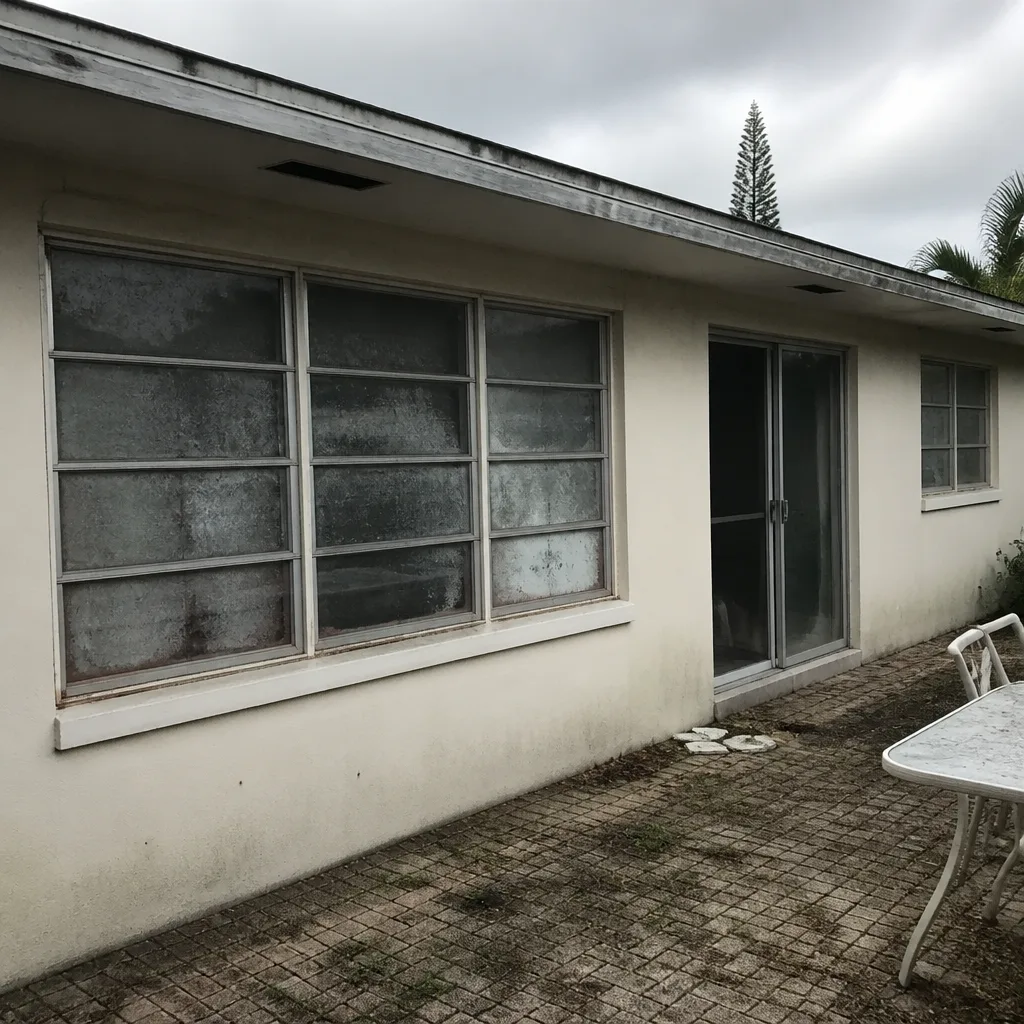 Before
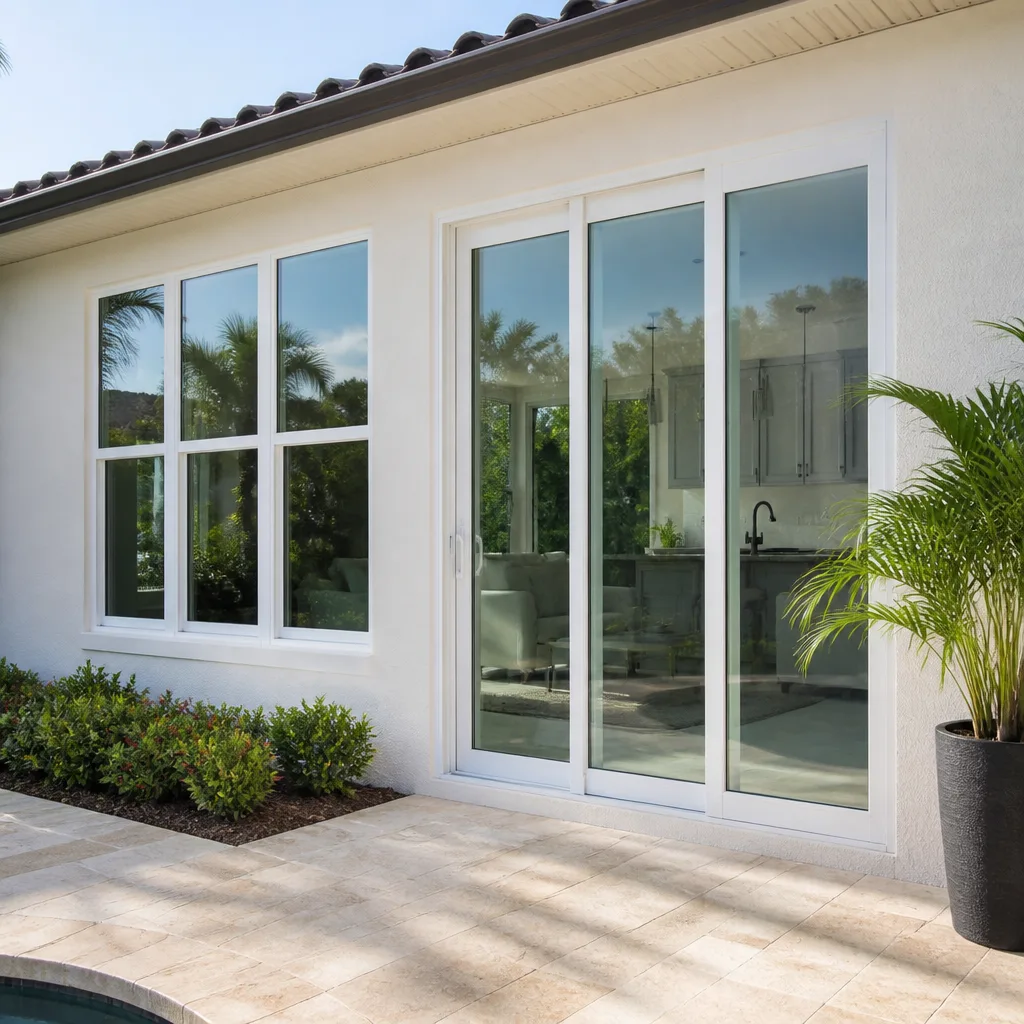 After
After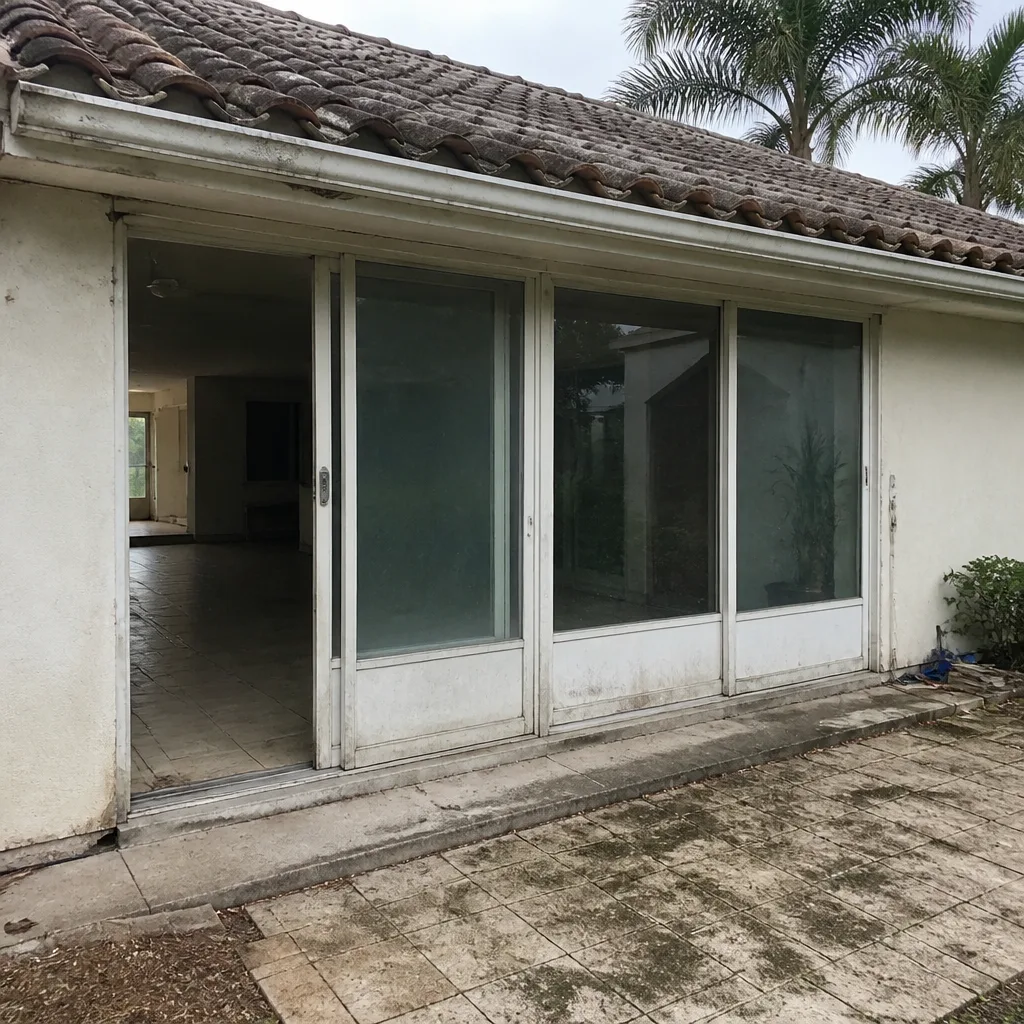 Before
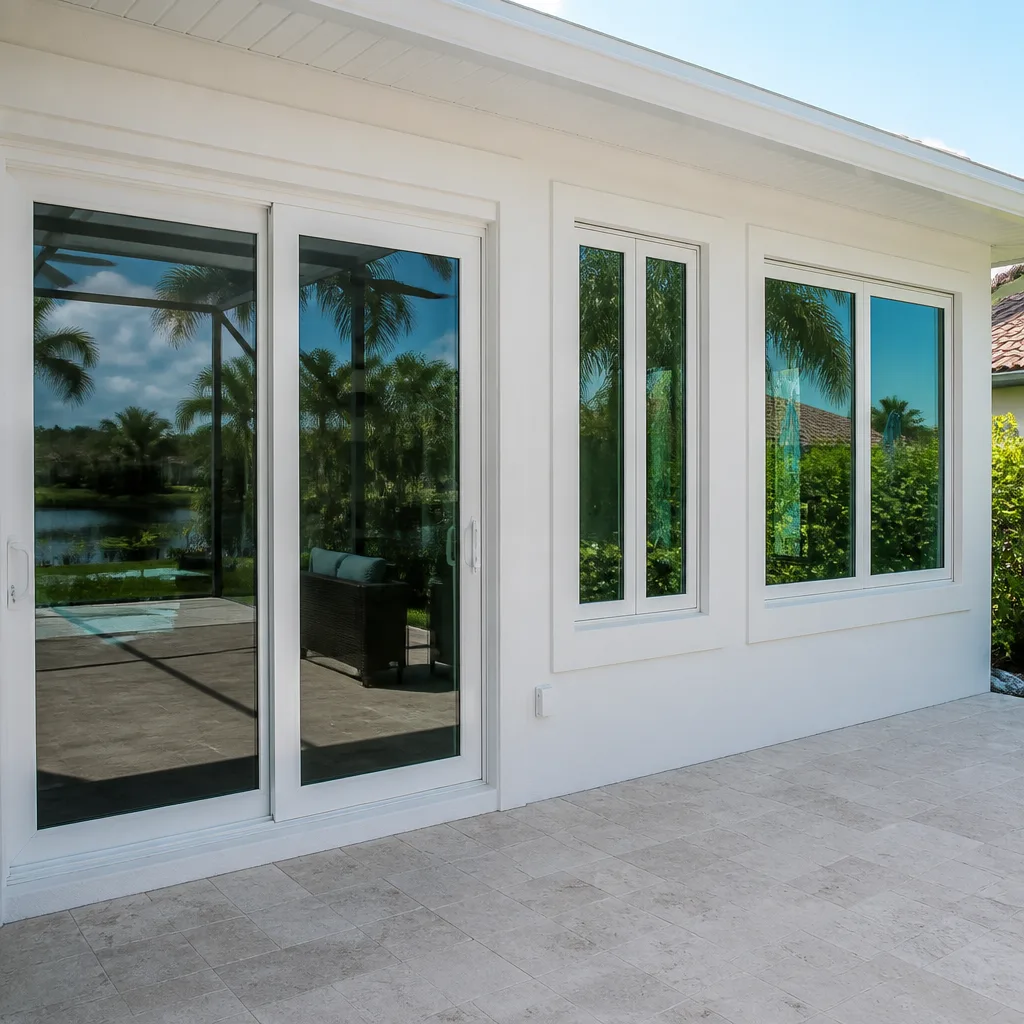 After
After Before
 After
AfterSeasonal Windows & Doors Care for Naples: Year-Round Homeowner’s Guide
Naples doesn’t have four seasons. It has two long, punishing ones and two short windows in between that decide whether your windows and doors survive the next named storm. Most homeowners wait until a seal fails or a door sticks in August to think about maintenance, but by then every contractor in Collier County is booked solid and materials are 12 weeks out. The truth is that a 45-minute inspection in March catches most of what will cost you thousands in September. This guide lays out exactly what to check, when to check it, and what Naples salt air, humidity, and storm cycles actually do to your windows and doors over the course of a full year. For Windows & Doors Warning Signs: A Naples Homeowner’s Reference Guide, see our companion resource.
Quick Answer
Seasonal window and door care in Naples, Florida means cleaning salt and mineral buildup from frames and tracks during the dry season (November through April), completing a five-point hardware and seal inspection before June 1, managing condensation and weep drainage through the wet season (June through October), and documenting any storm impact on glass and frames immediately after an event. The two best months to schedule non-emergency window or window replacement in Naples are November and February, when contractor schedules open up and materials are available.
Table of Contents
- The Dry Season (November-April): What Six Months of Salt Air Does to Your Windows and Doors
- The Naples Cleaning Protocol: How to Clean Frames and Tracks Before Humidity Returns
- The Pre-Storm Inspection Window (April-May): A Five-Point Check That Takes 45 Minutes
- Wet Season Maintenance (June-October): Condensation, Weep Holes, and Moisture Management
- Post-Storm Assessment: Cosmetic Damage vs. Structural Compromise on Impact Units
- Scheduling Reality in Naples: Why November and February Are Your Best Months
- Knowing When to Replace Instead of Repair
The Dry Season (November-April): What Six Months of Salt Air Does to Your Windows and Doors
From November through April, Naples gets very little rain. That sounds like good news for a home’s exterior, but the dry season is actually when the most insidious damage accumulates. The prevailing onshore breeze from the Gulf picks up a fine mist of salt, and without daily rain to rinse it away, that salt settles on everything facing west and south.
We’ve pulled apart window frames in neighborhoods like Old Naples and Aqualane Shores that looked fine from ten feet away, only to find corrosion creeping into the aluminum channels behind the weather stripping. Salt is hygroscopic, meaning it pulls moisture out of the air. Even during a dry winter, it holds enough humidity against the metal to start pitting the finish. Over the course of three or four dry seasons, that pitting becomes visible, and once the anodized or powder-coated surface is breached, the aluminum underneath begins to oxidize.
This matters more in Naples than in most of Florida because of how close most homes sit to the Gulf. A house a half mile inland on Fifth Avenue South gets a fraction of the salt load that a home on Gordon Drive absorbs every single afternoon. The practical takeaway: if you are west of Goodlette-Frank Road or south of Central Avenue, your inspection cycle should be more aggressive than what any national manufacturer’s generic maintenance schedule assumes.
What to Look For During the Dry Season
- White or gray chalky film on west-facing aluminum frames, especially in corners where wind eddies deposit salt.
- Sliding doors that move fine in the middle of the track but bind at the ends. Salt crystals build up where the rollers rest, changing the track profile just enough to create friction.
- Hinges on exterior doors showing a fine white powder. That is galvanic corrosion starting, and it only accelerates once June humidity arrives.
- Screens that look dull or feel rough. Salt etches the aluminum screen wire, which is mostly cosmetic until it creates small holes.
- Caulk lines pulling away from the frame on the windward side of the house. The constant salt-loaded breeze dries out flexible sealants faster than shade-side caulk.
The dry season is also prime termite swarm time in Naples, and wooden door frames are the first place you’ll see evidence. Check the bottom corners of exterior door jambs for fine sawdust and mud tubes. A door frame that has termites is a structural problem that will cost much more to fix the longer it waits.
If you have impact windows in Naples, the dry season is when you should verify the laminated glass interlayer is not showing signs of haze at the edges. Interlayer degradation is slow, but salt and UV exposure accelerate it, and catching it early allows for a replacement under warranty. If the glass edge looks frosted or white around the perimeter, call the manufacturer through your installer before the warranty clock runs out.
The Naples Cleaning Protocol: How to Clean Frames and Tracks Before Humidity Returns
By late March, the salt load on an unprotected west-facing window frame is measurable, and the humidity is about to return. Once the air stays above 70% relative humidity for a few weeks, that salt film becomes a concentrated brine held directly against the metal. That is when corrosion accelerates dramatically. The goal is to remove the salt before the first humid weeks of May.
The Protocol Step by Step
- Start with plain water, not cleaner. Salt dissolves in water, and you want to rinse the bulk of it away before introducing any detergent. Use a hose with a spray gun set to a fan pattern on the exterior frames. Do not use a pressure washer within 18 inches of glass or weather stripping; the force will drive water into the frame channels and behind the seals.
- Wash with a mild, non-abrasive soap. Dish soap diluted in a bucket is enough. Anything stronger, particularly citrus-based degreasers, will strip the protective wax on powder-coated frames. Use a microfiber cloth, not a sponge with a scrub side.
- Clean the tracks with a soft nylon brush. Sliding door tracks fill with a paste of salt, dust, and dried rainwater. A toothbrush works, but a narrow round brush is faster. Scrub the full length of the track, not just the part that looks dirty. The salt accumulates in the shaded overlap areas where the door panels rest.
- Vacuum the loose debris. A shop vac with a crevice tool removes the grit and crud you loosened. This prevents it from being pushed down into the weep channels.
- Clear every weep hole. Each frame bottom has small drain slots or holes that let water out. A piece of wire, a paperclip straightened out, or a pipe cleaner works. The weep holes on the leeward side of the house clog more often because they get less rain flushing through them.
- Lubricate rollers and hinges with a dry silicone spray. Stay away from WD-40 or petroleum-based lubricants. They collect dust and salt, and by August the track will feel like you poured in wet sand. Dry silicone goes on light and leaves nothing sticky behind.
- Wipe the interior glass with a clean microfiber cloth and no ammonia. Ammonia-based glass cleaners interact poorly with some low-E coatings over time, causing a permanent haze at the edges.
One full pass with this protocol takes most homeowners two to three hours for a standard Naples home. Do it once in March and once in October, and you will extend the functional life of your frames by several years in this climate. We see far more frame failures from salt and neglect than from physical storm force, and almost all of them were preventable with this simple routine.
The Pre-Storm Inspection Window (April-May): A Five-Point Check That Takes 45 Minutes
The five weeks between mid-April and the last week of May are the single most valuable maintenance window of the year in Naples. The dry season is ending, the first afternoon thunderstorm pattern is still a month away, and hurricane season officially starts June 1. Contractors are not yet slammed with emergency calls, and there is still time to order parts before the summer supply-chain delays hit.
This five-point check is designed for a homeowner without specialized tools. It takes about 45 minutes for a typical three-bedroom Naples home, and it catches the vast majority of problems that would otherwise become emergency calls in August or September.
- Inspect every seal gasket and weather strip on exterior doors. Close the door and look at the compression line. It should compress evenly top to bottom with no gaps of light visible when the door is closed. On the threshold, look for daylight or a visible crack in the sweep. A failed threshold seal in Naples lets driven rain into the house during a storm, which is how a $60 repair turns into a $4,000 flooring claim.
- Test the locks and match the strike plates on every opening panel. A lock that drags or fails to throw the deadbolt fully means the panel has moved. Seasoned impact-rated doors from CGI or CWS depend on the full multi-point lock engaging with the frame to reach their design pressure rating. If the deadbolt only goes halfway, the door is not protected against wind-load. That is a structural deficiency for an impact door, not a minor annoyance.
- Examine the glazing gasket or sealant line around every pane of glass. Look at the rubber or sealant around the perimeter of the glass on both the interior and exterior. Small cracks, shrinkage, or separation from the glass are the first sign that water will find its way into the frame. Once water sits in the frame channel through a Naples wet season, the aluminum begins its slow swell and pitting cycle.
- Run every window and sliding door through its full travel. If a window sticks, requires real force, or no longer stays open on its own, the spring balances or rollers are failing. This is the time to catch it. In July, the same failed balance means a window that won’t stay open when you most need ventilation, and July is when everyone else wants the same repair.
- Check the exterior caulk joints where the window or door frame meets the stucco or siding. Naples stucco and wood trim expand and contract at different rates than aluminum, and the caulk line absorbs that stress. Hairline cracks are normal wear. Gaps wider than a toothpick or areas where the caulk has pulled entirely away and folded back on itself are failure points that need cutting out and replacing immediately.
A homeowner who completes this check and finds one or two small issues has saved themselves thousands of dollars. A failed seal gasket is a $40 part and an hour of labor. A failed frame channel discovered after water ingress through three months of afternoon thunderstorms is an entirely different repair, and it often requires unit replacement. This is why we suggest every Naples homeowner put this inspection on the calendar for late April, the same way they put a date on the calendar for replacing smoke detector batteries.
Wet Season Maintenance (June-October): Condensation, Weep Holes, and Moisture Management
From June through October, Naples gets roughly 70% of its annual rainfall, and the afternoon humidity regularly sits above 85%. That changes how your windows and doors perform in ways that surprise people who moved here from drier climates. The first time you see condensation on the inside of your low-E glass in July, it looks like a product defect. Most of the time, it is not.
Understanding Summer Condensation in Naples
In summer, the cold surface is the interior side of your energy-efficient glass. When the air conditioner runs, the interior glass surface can drop below the dew point of the warm, humid outside air that is pressing against the home. The condensation you see is the same physics that forms water on a cold glass of ice tea on a Naples afternoon. It is not a seal failure in most cases. If the condensation is on the interior surface of the glass, and it disappears when the temperature changes, the unit is functioning exactly as designed. If condensation appears between the panes, that is a sealed-unit failure and requires glass replacement.
What you should actually watch during the wet season is the weep drainage. Every exterior window and door frame in a proper Naples installation has weep holes at the bottom that drain the water that inevitably finds its way into the frame channels. During a heavy summer downpour, those weep holes are the only thing preventing the frame from filling with water and overflowing into the wall cavity or the floor.
Wet Season Checklist
- After every major downpour, walk the perimeter and confirm water is draining from the bottom of every window and door. If the weep holes are clear, you will see water beading on the exterior sill for a while after the rain. If the frame holds water with no drainage visible, the weep holes are clogged and need clearing immediately.
- Watch for dark streaks running down from the bottom corners of frames. That is dirty water that has been sitting in the frame and is now draining with sediment. Clear streaks are normal. Dark streaks mean the water is finding a new path, often because the original weep path is blocked.
- If a room feels musty in summer but has no visible leak, check the bottom of the sliding door track on the interior side. The most common hidden water entry in Naples is a slider that drains into the wall instead of out the weep holes because the track has shifted a few millimeters out of level over the years.
- Operate every window at least once a week in summer. Windows left closed all season develop sticking issues as the frame materials expand with humidity. The simple act of running them through their full range keeps the rollers and balances working.
- Document everything. Take a photo of every window and door during a heavy rain event at least once a month, inside and out. If a leak appears later, these photos are your baseline for an insurance claim.
The wet season in Naples also brings a particular pattern of storm-driven rain that is different from anywhere else in the country. Rain comes almost horizontally during squall lines. Water gets driven into places gravity alone would never direct it. This is why the standard advice from a national window brand’s website, written for a house in Ohio or Arizona, does not always hold up here. For the full regulatory picture, read our guide to Windows & Doors Permits, Codes & Inspections in FL: What You Need to Know. A properly installed impact window from a manufacturer like ES Windows or ECO Window Systems is engineered for this horizontal rain load when it is installed correctly, but the installation details matter enormously. The flashing, the sill pan, and the weep drainage all have to be done for Florida conditions, not generic conditions.
Post-Storm Assessment: Cosmetic Damage vs. Structural Compromise on Impact Units
After any storm that brings sustained winds over 50 mph through Naples, every homeowner with impact windows and doors should do a conditional assessment within 24 hours. The goal is not to decide what needs replacing. The goal is to document the condition accurately while the evidence is fresh and to know which findings are urgent.
Impact-rated windows from brands like CGI and CWS are tested to survive both impact and wind pressure cycling that ordinary windows cannot. But survival is not the same as being unchanged. Even a unit that withstands a direct hit from a branch may have internal damage that is invisible from the street.
What Counts as Cosmetic (Document It, Monitor It)
- Scratches or gouges in the outer glass pane that do not penetrate the laminate interlayer. Impact glass is built with two panes of glass bonded to a plastic interlayer, so a scratch on the outside pane is almost always cosmetic.
- Small cracks in the outer pane only. If the crack is visible only on the outside surface and the inner surface of the glass is smooth, the laminated interlayer has done its job for now. The unit still needs replacement, but it is not an open penetration.
- Storm debris stuck in a frame corner that does not affect the movement of the panel or the seal compression.
- Surface scuff marks on aluminum frames. A scuff from a branch or a piece of tile is usually surface deep and affects nothing structural.
What Is Structural (Call Immediately)
- The panel has shifted in the frame so it no longer closes with even compression on all four sides. A shifted impact panel has lost its design pressure connection to the frame, which is exactly what protects your home from a full window blowout in the next storm.
- The glass bulges or you can see daylight through a crack in both panes. A through-penetration of the laminated unit is an open breach in your building envelope. Water will get in, and the next wind event turns it into a much bigger failure.
- The frame is distorted or wavy in the vertical line. Any aluminum frame that has taken a hit hard enough to bend is no longer holding the glass under the same pressure it was tested to. The entire unit needs evaluation.
- Water is entering to the interior during or after rain events, especially if it is entering around the top corners or along the sides, not just the sill. Top-corner water intrusion means the flashing or frame connection to the rough opening has been compromised.
How to Photograph Storm Damage Correctly
Insurance adjusters and warranty departments both need documentation that they can match to a specific event. The photos most homeowners take are not useful because they show no context. Here is the method we recommend:
- Take a wide context photo from across the room or from the street that shows the entire window or door in its opening. This proves which unit you are documenting.
- Take a close-up of the damage area with something in frame for scale, like a quarter or a ruler.
- Take the same close-up from the interior and the exterior whenever possible. Damage that looks minor from outside often tells a different story from inside.
- Take a photo once a week for the next month of any crack that you are monitoring. Crack growth over time is the single clearest piece of evidence that a unit is structurally compromised versus cosmetically damaged.
- Keep the photos on a backed-up drive. A phone that goes through an insurance claim later is also a phone that might get lost, stolen, or dropped in a puddle while dealing with the aftermath of a storm.
Naples homeowners with impact units through Winslow Windows & Doors can call us for a post-storm inspection any time. We’ve been in business since 2011 and have inspected hundreds of post-storm units from Old Naples to Golden Gate Estates.
Scheduling Reality in Naples: Why November and February Are Your Best Months
Every Naples contractor has a rhythm, and it is driven by three things: the hurricane season anxiety spike, the snowbird return, and the holiday slowdown. If you understand the rhythm, you can save thousands of dollars on a planned replacement project simply by choosing the right month.
November is the single best month for planned window and door work in Naples. Hurricane season officially ends November 30, and the first serious cold fronts bring the dry air that makes installations clean and predictable. Snowbirds are not yet back at full volume, so contractors are not juggling as many occupied homes with tight scheduling restrictions. Materials that were backordered during the summer have caught up with demand.
February is the second-best month. The holiday season has passed, snowbird homes are settled in, and crews are back at full strength. The weather is ideal for exterior work on both windows and doors. By late March, the schedule starts filling with pre-hurricane-season inspections and replacements, and the wait times begin their slow climb toward the summer peak.
The absolute worst time to schedule a non-emergency window or window installation in Naples is August and September. By then, every contractor is two to four weeks out on simple service calls and eight to twelve weeks out on replacements. The heat forces crews to work shorter days, which extends project timelines. And if a storm heads toward Southwest Florida, your project gets bumped while every team on the Gulf Coast mobilizes for emergency board-ups and repairs.
The practical guide is this: if you know your windows or doors need replacement within the next 18 months, book the project for November or February. You will get better pricing, faster scheduling, and cleaner installation weather. If you wait until the failure happens in August, you will pay more and wait longer, and in a worst-case scenario, you will be the homeowner calling around for emergency service the same week as three hundred other homeowners in your Naples neighborhood. See our Windows & Doors Cost Breakdown: The Naples Homeowner’s Reference for 2026 for typical pricing by season.
Knowing When to Replace Instead of Repair
Some window and door failures in Naples are worth repairing, and some are clear signals that the unit has reached the end of its functional life. The distinction matters most when the unit is on the windward side of the house, facing the Gulf or a broad open exposure where storm-driven rain and wind load are at their highest.
A broken spring balance on a double-hung window is a repair. A failed roller on a slider is a repair. A torn seal gasket is a repair. Any of these can be done on a standard service call, and the unit returns to full function for a fraction of the cost of replacement.
But there is a threshold where repairs stop making sense. If the aluminum frame shows significant pitting and corrosion through the finish, the structural integrity of the frame itself is degrading. If the glass is cloudy or hazed between the panes, the sealed unit has failed and the insulation value is effectively gone. If the multi-point lock mechanism on an impact door no longer engages cleanly on all points because the frame has twisted, the door is no longer delivering its rated protection. In these cases, replacement is the financially sound decision for a Naples homeowner who plans to stay in the home.
An easy rule of thumb: if the total repair cost for any single opening exceeds 50% of the replacement cost for that opening, and the home is likely to experience another major storm cycle before you sell, replace it. You get a new warranty, new seals, new hardware, and a clean baseline for the next decade.
Common Mistakes to Avoid
- Using a pressure washer on window frames or door seals. The high-pressure stream forces water past the weather stripping and into the frame channels, and it can score the glass or etch the frame finish. A garden hose at normal pressure is enough.
- Lubricating tracks and rollers with WD-40 or grease. Petroleum-based lubricants attract dust and salt, and by the end of one Naples summer, the track is packed with abrasive paste. Use dry silicone or a specialist window track lubricant.
- Painting over a corrosion spot on an aluminum frame. The corrosion continues under the paint, and by the time it reappears, the frame metal has degraded further. Corrosion has to be cleaned back to bright metal and properly primed, or the area will fail again within a couple of years.
- Waiting until June to call about a problem seen in April. This is the single most expensive habit we see among Naples homeowners. A seal gasket that would have been a $75 repair in April becomes a water intrusion claim by August, and the cost difference is an order of magnitude.
- Painting shut interior doors that have shifted. Some homeowners force a door that has swollen with humidity by planing the edge or adjusting the hinges instead of addressing the underlying shift in the panel and frame. The door is telling you the frame has moved, and that movement may indicate a larger structural issue.
- Ignoring the leeward side of the house during inspections. Everyone checks the Gulf-facing side because the salt is visible. But the east and north sides of a Naples home collect debris in weep holes and tracks precisely because they get less rain flushing through them. Inspect all four sides, not just the one that looks worst.
- Replacing only one window at a time on a large facade. If one window on an exposed wall has reached the end of its service life, the others on the same wall are not far behind. Replacing the whole elevation at once, especially in a Naples home where wind-driven rain exposure is equal across the face, saves labor costs and keeps the wall’s performance consistent.
When to Call a Professional
Some window and door problems in Naples are straightforward DIY work, but there are clear lines where a professional saves money and prevents damage. Frame corrosion that has progressed beyond surface discoloration requires specialized treatment. Any impact-rated door or window that has shifted in its frame after a storm needs a professional evaluation, because you cannot see the internal condition of the anchoring system. Water intrusion that persists after weep holes are cleared means the flashing or the sill pan has failed, and that is a removal-and-reinstall job, not a caulk job. And high-tension components on certain window types, particularly torsion tube balances on older wood window conversions, can cause serious hand injury if disassembled improperly.
Winslow Windows & Doors offers free estimates in Naples, and we are happy to evaluate any window or door concern you have, whether it ends up being a simple adjustment or a full Winslow Windows & Doors home project. Call (239) 899-6411 and a live person answers, any time of day.
Frequently Asked Questions
Twice a year is the minimum: once in March before the humidity returns, and once in October before the dry season starts. Homes within a mile of the Gulf of Mexico, or on open western exposures, should clean quarterly. The salt accumulation between cleanings is what causes the frame corrosion that eventually requires replacement.
Condensation on the interior surface of the glass during hot, humid Naples weather is normal and actually indicates the low-E coating is doing its job. Condensation between the glass panes is a sealed-unit failure and requires the glass insert to be replaced. The seal failure is covered under most manufacturer warranties, so document it and contact your installer.
No. A pressure washer forces water past weather stripping and into the frame channels, where it sits against the aluminum and accelerates corrosion. It can also damage the interlayer edge of impact glass. Use a garden hose at normal pressure and a microfiber cloth.
The key test is compression. Close the door and run a piece of paper around the perimeter. It should drag evenly with no gaps. Then test the multi-point lock and confirm every point engages fully. If any point does not throw completely, or the paper slides freely anywhere along the seal line, the door has shifted and should be evaluated by a professional before the next storm. Call (239) 899-6411 for a free second opinion on any written estimate you receive.
November is the best month. Hurricane season has ended, the weather is dry and mild, snowbird traffic has not fully returned, and materials are in stock. February is the second best. Avoid August and September if you can, when demand spikes and crews are stretched.
Yes. Every estimate is free, and there is no trip charge inside our home county of Collier. We also provide a free second opinion on any written estimate you have from another contractor, no matter who wrote it. And every project we do is backed by our 36500-Day Done Right Promise: if it is not done right, we make it right. Ed Winslow’s name is on the door, and on every job we do.
The Bottom Line
Seasonal window and door care in Naples comes down to timing. Clean the salt off before the humidity returns in May, catch the small failures during the pre-storm inspection window, manage the weep drainage through the summer wet season, and document everything after a storm. If you do the annual 45-minute inspection and twice-yearly cleaning, most of your windows and doors will last their full service life and never become an emergency. And if you are planning a replacement, book it for November or February. Naples homeowners who follow this calendar spend less, avoid the August panic, and keep their homes protected through every storm cycle. That is the entire game.
Written by Ed Winslow, Owner at Winslow Windows & Doors, serving Naples since 2011.
Six Reasons Homeowners Choose Winslow Windows & Doors
Impact systems engineered to design pressures up to +/-100, matched to your wind zone - your openings hold when the storm arrives.
Low-E insulated impact glass from our manufacturer lines commonly cuts monthly cooling bills 20-30%.
Laminated impact glass shuts out up to 40% of outside noise - traffic, neighbors, weather.
Monitoring services run $30-90 a month. Laminated impact glass resists forced entry around the clock, with no subscription.
Florida homeowners average around 25% savings on the windstorm portion of their policy after protecting every opening - some homes qualify for more.
A full impact package upgrades curb appeal, buyer confidence and appraised value in one project.