
Last updated August 28, 2026
Free in-home measure and quote - PGT, CGI and CWS impact lines compared on your actual openings, style by style
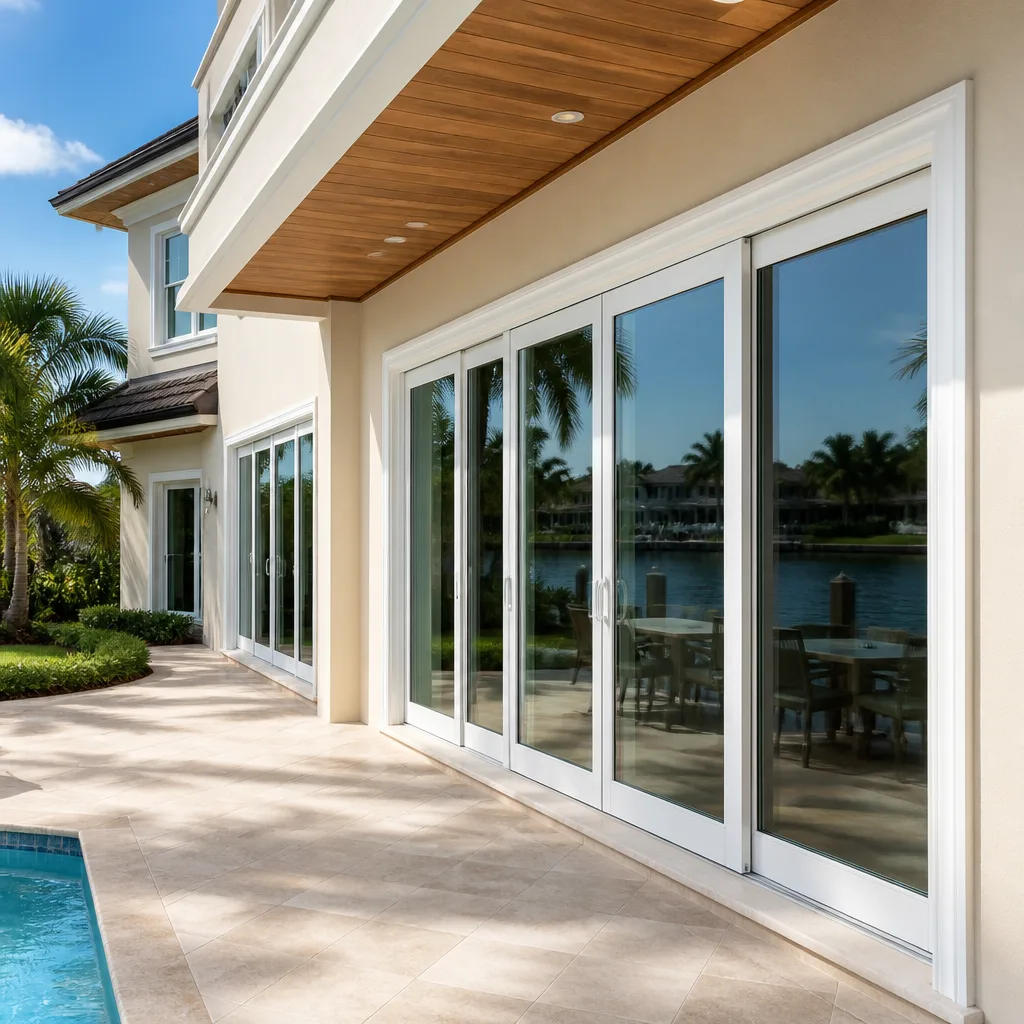

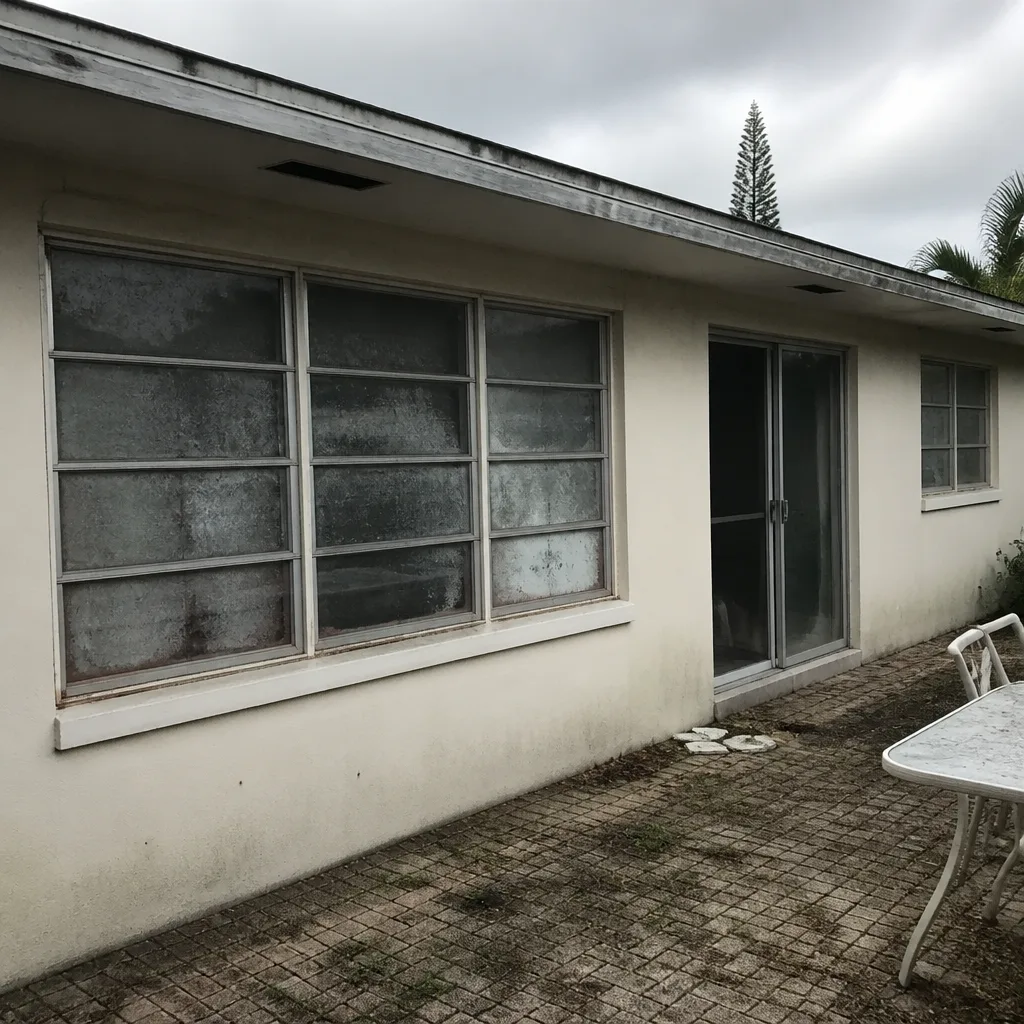 Before
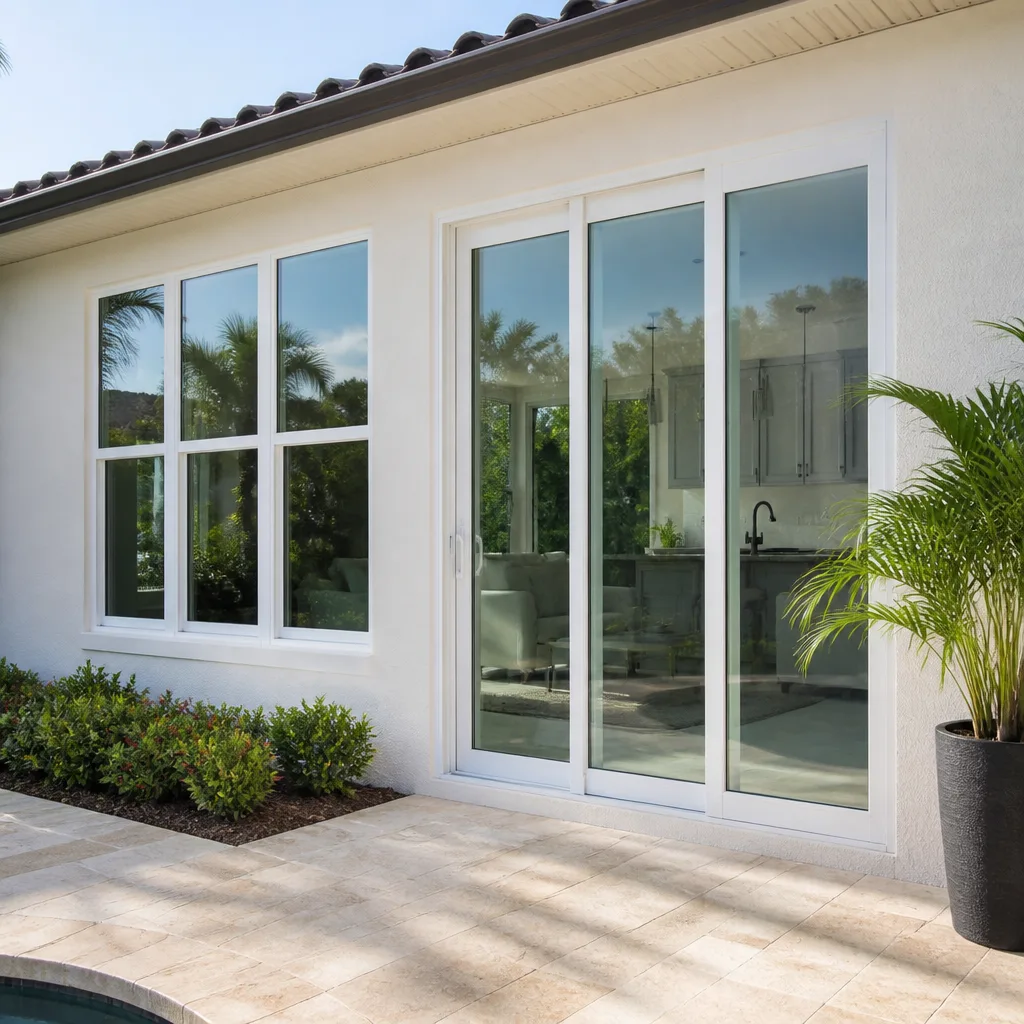 After
After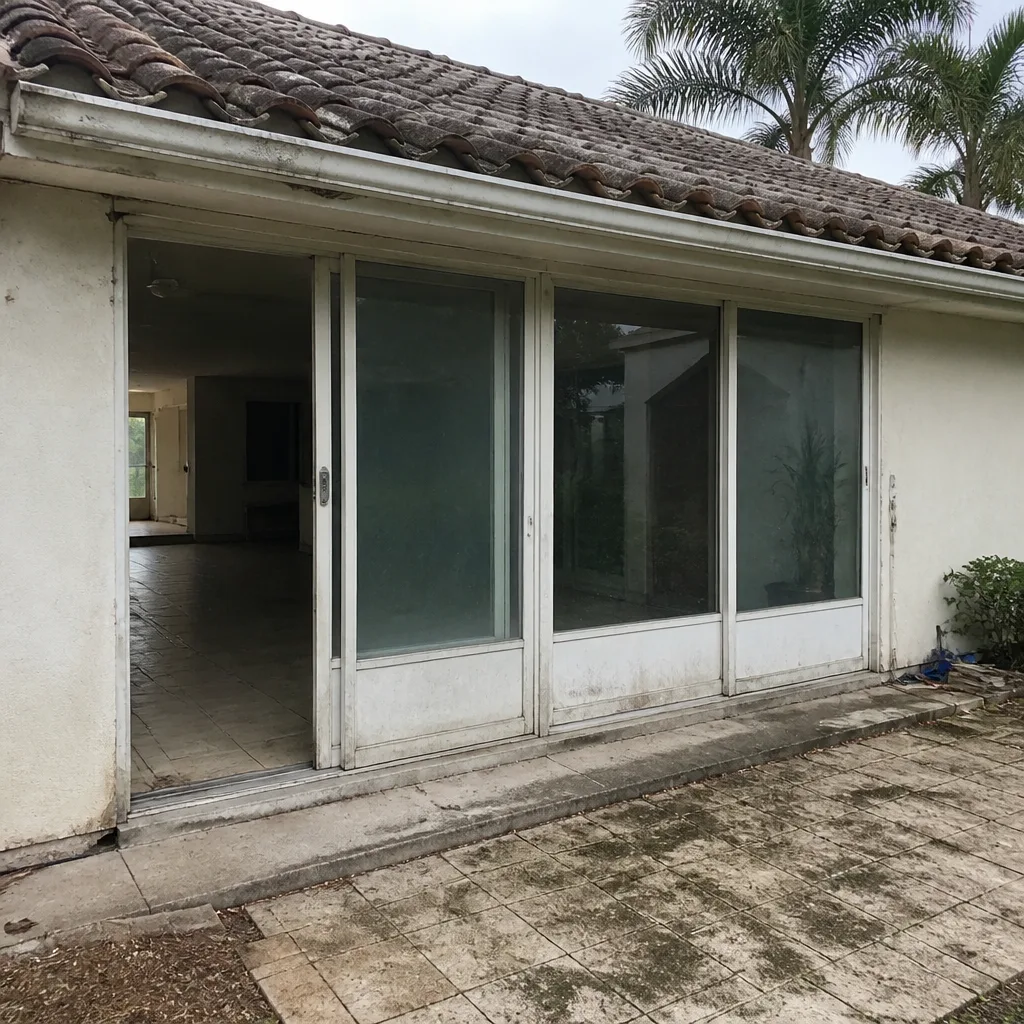 Before
 After
After Before
 After
AfterWindows & Doors Permits, Codes & Inspections in FL: What You Need to Know
Collier County has rejected final inspections on impact window jobs that were permitted and roughed-in correctly, all because the replacement unit carried a Florida Product Approval number but lacked a Miami-Dade NOA, which Collier requires as a secondary standard. That’s a $0 code difference that creates a 100% installation do-over. If that sentence made your head spin, you’re in the right place. This guide walks you through the three-layer approval system in Naples and Collier County, what triggers a structural review, what inspectors actually check at each stage, and what happens if unpermitted work surfaces at closing. For more guides & resources on navigating local codes, explore our blog. By the end, you’ll know more than most contractors who don’t work this market daily.
Quick Answer
In Florida, any window or door replacement that changes the size of the opening, alters structural framing, or switches to impact-rated products requires a permit, and in Collier County specifically, the product must carry both a Florida Product Approval and a Miami-Dade NOA to pass final inspection. For a deeper look at what to watch for, see our Windows & Doors Warning Signs: A Naples Homeowner’s Reference Guide. Inspections are sequential: rough opening, frame, glazing, and final. Homeowners in flood zones AE and VE face additional sill-height and threshold rules that vary by elevation certificate. Skipping the permit risks insurance claim denial, stalled home sales, and fines that exceed the cost of the original installation.
Table of Contents
- Why Florida’s Code Is Three Layers Deep (And What That Means in Naples)
- What Triggers a Permit: Simple Replacement vs. Full Structural Review
- Florida Product Approval vs. Miami-Dade NOA: The Collier County Twist
- The Inspection Sequence: What Inspectors Actually Look At, Stage by Stage
- Flood Zone Overlays: AE, VE, and X in Naples Explained
- Unpermitted Work at Closing: Insurance Gaps and Sale-Day Surprises
- What a Permitted Window or Door Job Costs and How Long It Takes in Naples
- Common Mistakes to Avoid
Why Florida’s Code Is Three Layers Deep (And What That Means in Naples)
Florida’s building code is not one document. It’s a stack, and in Naples that stack has three distinct layers you need to understand before you buy a single window. The base layer is the Florida Building Code (FBC), which sets statewide minimums for wind resistance, energy performance, and structural safety. The second layer is the High Velocity Hurricane Zone (HVHZ) provisions, which apply to Miami-Dade and Broward counties by state law but have been adopted voluntarily by Collier County because of its direct exposure to Gulf hurricanes. The third layer is the local amendment stack: Collier County’s Land Development Code and the City of Naples’ municipal ordinances, which add product approval documentation requirements, inspection sequencing rules, and flood-zone overlays.
Here’s the practical version of that stack, as a simple decision tree:
- Is the window or door being replaced with a like-for-like unit of identical size, shape, and opening type? If yes, you likely qualify for a simple replacement permit. If the rough opening changes by even a fraction, you move to step 2.
- Does the new unit carry a valid Florida Product Approval (FL number)? If no, the product cannot be installed legally in Florida, period. If yes, move to step 3.
- Does the product also carry a Miami-Dade NOA (Notice of Acceptance)? In Collier County, the answer must be yes for impact-rated products. This is the layer that surprises out-of-town contractors.
- Is the home in a flood zone overlay (AE, VE, or X)? If yes, sill heights, threshold elevations, and permitted product types may shift. An elevation certificate determines what’s allowed.
- Is the opening in a load-bearing wall or does the replacement alter structural framing, lintels, or headers? If yes, the permit becomes a structural review and requires engineering calculations.
We’ve watched homeowners in Naples order custom windows from national suppliers, pay a deposit, and only then discover the units don’t meet Collier’s secondary NOA requirement, a pitfall covered in The Complete Guide to Windows & Doors in Naples. The supplier shipped a product that’s perfectly legal in Tampa but not acceptable at final inspection in Naples. That’s the cost of not understanding the stack before you buy.
What Triggers a Permit: Simple Replacement vs. Full Structural Review
Florida law is clear: replacing a window or door with a unit of the same size and type generally requires a permit, but it’s a simple one - a like-for-like swap that doesn’t touch the framing. Most homeowners are fine. The line gets crossed the moment you change the rough opening.
Changing a window’s rough-opening size by even two inches crosses into structural territory. Here’s why: the header above the window was sized for a specific span. Widen the opening and the header load increases. The wall’s shear capacity changes. The wind-load path alters. In a hurricane zone like Naples, where framing must resist 170-plus mph winds under HVHZ provisions, that two inches is not a cosmetic change. It’s a structural one, and it requires an engineer’s letter, or at minimum, a contractor who knows how to spec the new header, king studs, and shear nailing without guessing. Not sure whether to tackle this yourself? Read our DIY vs Professional Windows & Doors: The Naples Homeowner’s Decision Guide.
Common triggers that push a job from simple replacement to full structural review in Collier County:
- Enlarging any opening (wider or taller), even for a standard-size unit.
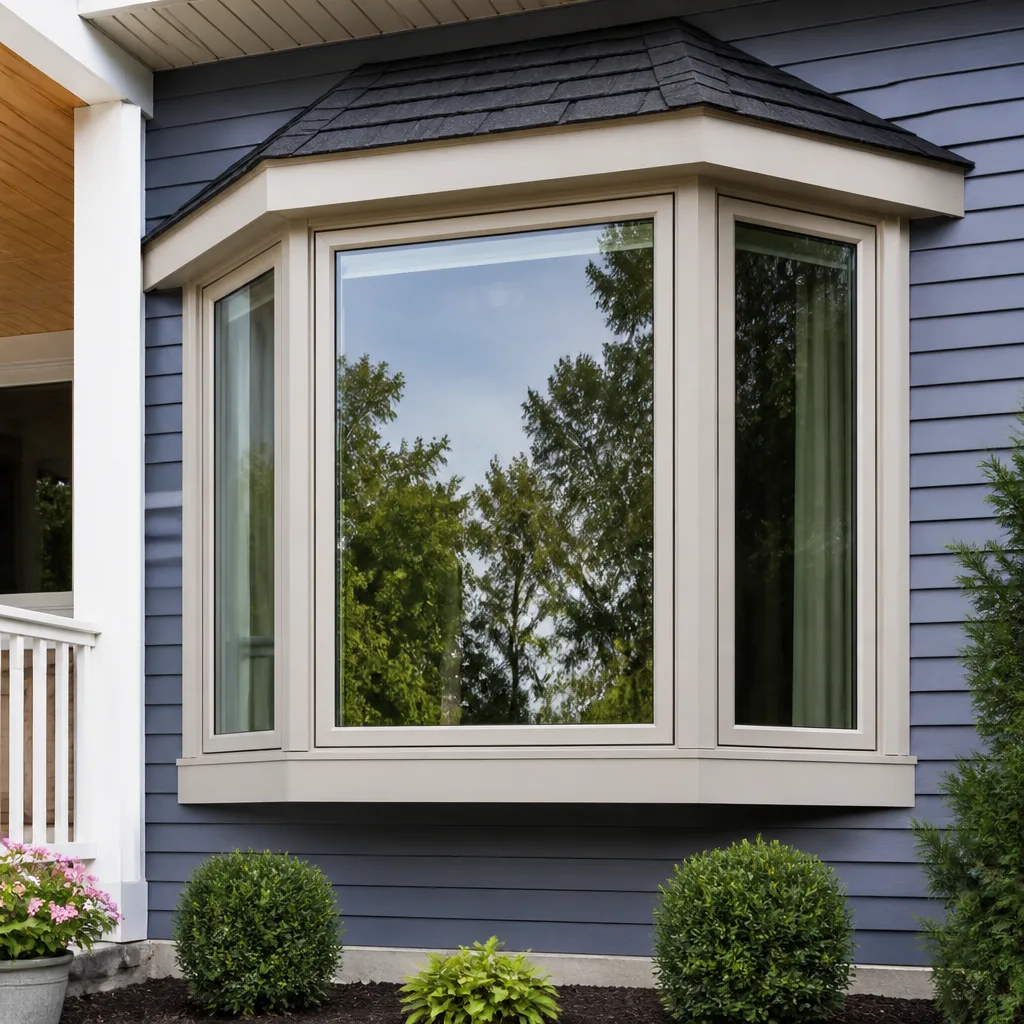
- Converting a single window to a bay or bow - the cantilevered load changes and requires framing reinforcement.
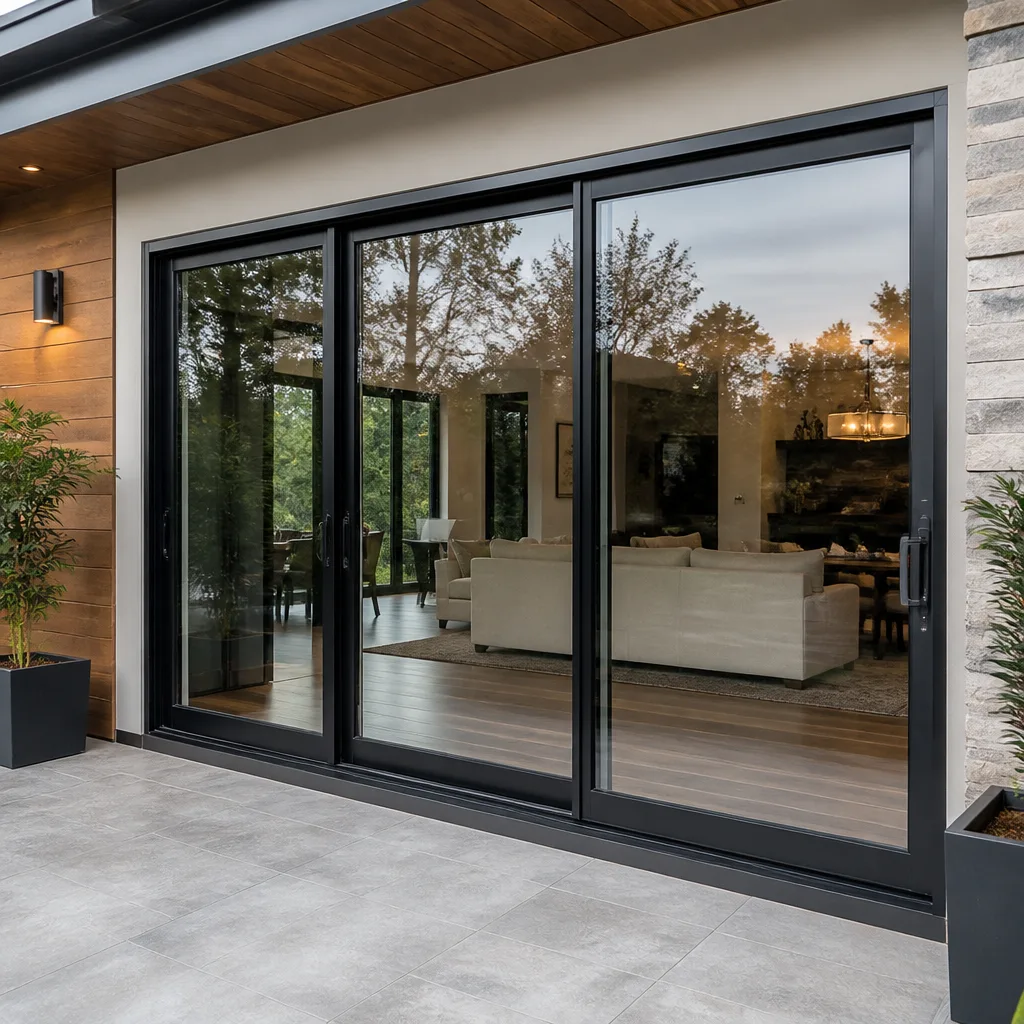
- Changing a window to a door (or a sliding glass door to a French door), which alters the wall’s lateral bracing.
- Removing mullions or combining two windows into one - the center support wasn’t engineered to disappear.
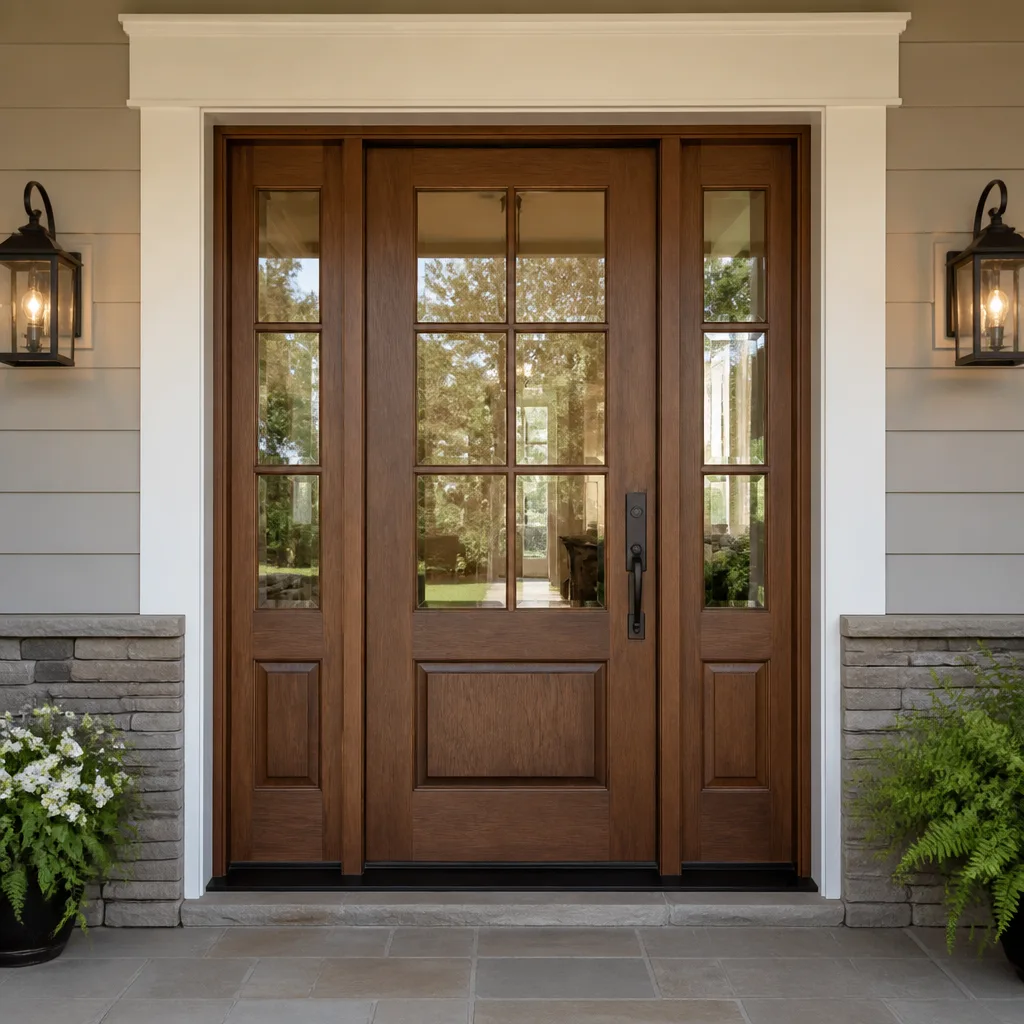
- Installing a larger door where a sidelight existed, because the header span changes again.
- Any work on a load-bearing wall that touches the top plate or roof truss connection.
Get this wrong and the inspector will catch it at rough inspection, before you’ve wasted money on the finish work. That’s the system working as designed. In Naples, with its mix of 1970s block homes and newer elevated construction, the review path varies house by house. An older home on a slab in the Moorings has different framing realities than a 2018 elevated home in Bayshore. The permit department cares about the structure, not the curb appeal.
Florida Product Approval vs. Miami-Dade NOA: The Collier County Twist
Every impact window or door sold in Florida must carry a Florida Product Approval number. That approval comes from the Florida Building Commission and certifies the product meets statewide structural and wind-load standards. In most of Florida, that’s enough. In Collier County, and specifically in Naples, it’s not.
Collier County requires impact-rated products to also carry a Miami-Dade Notice of Acceptance (NOA). The NOA is a separate certification with stricter testing protocols: larger missile impact tests, more rigorous cyclic wind-pressure loading, and specific air and water infiltration thresholds. Miami-Dade created this standard for its own high-velocity hurricane zone. Collier adopted it as a local amendment because the county’s coastal exposure mirrors Miami-Dade’s risk profile.
What this means in practice: a window can be perfectly legal in Orlando, Jacksonville, and even Sarasota, but fail final inspection in Naples if it lacks the NOA. The Florida Product Approval checks one box. Collier’s local amendment checks a second. Without both, the inspector stops the job.
Here’s what to verify before you buy, in order:
- Ask for the FL Product Approval number - every legitimate impact product has one. Verify it on the Florida Building Commission’s online database.
- Ask for the Miami-Dade NOA number - if the supplier hesitates, that’s a red flag for a Naples installation.
- Cross-check both numbers against the Collier County building department’s accepted-products list - some NOAs have expiration dates or revision numbers that must match exactly.
- Verify the specific size and configuration - an NOA may cover a product line but not every custom size or geometric shape within it.
Premium brands installed in Naples routinely carry both. We work with products from CWS and ES Windows, two manufacturers that maintain current NOAs for their impact lines precisely because they serve the South Florida and Gulf Coast markets. A window without an NOA is not a Naples window, even if the sticker says “impact-rated.”
The Inspection Sequence: What Inspectors Actually Look At, Stage by Stage
A permitted impact window or door installation in Naples follows a four-stage inspection sequence. Understanding each stage removes the mystery and the fear. Inspectors are not adversaries; they’re enforcing a code that exists because hurricanes do real damage here.
Stage 1: Rough Opening Inspection. The inspector arrives after old units are removed and before new ones are set. They check the header size and condition, the king and jack studs, the sill plate, and the anchor bolt spacing. They verify the opening is plumb, level, and square to within the code’s tolerance, typically 1/8 inch over the opening span. They confirm the rough opening matches the permitted plans. In Naples, inspectors also check for termite damage or rot at this stage, common in older coastal homes where salt air accelerates wood decay. If the framing fails here, everything stops until it’s corrected.
Stage 2: Frame Installation Inspection. Once the window or door frame is set and anchored, the inspector verifies the anchoring pattern. For impact products, the number and placement of anchors per linear foot matters, and the inspector checks installation against the product’s NOA anchoring schedule, not the contractor’s preference. They also check shim placement, the sealant bead at the flange, and the flashing integration with the WRB (weather-resistant barrier). A sloppy flashing job at this stage passes sometimes, but it shouldn’t, and a diligent contractor fixes it before the inspector arrives rather than gambling.
Stage 3: Glazing Inspection. For impact windows, the glazing inspection verifies the glass itself: the laminate makeup, the interlayer thickness, the presence of the impact rating etch on the glass, and the gasket compression. The inspector cross-references the glass mark against the product approval documents. If a unit carries a glazing configuration that differs from the NOA, even in harmless ways like a thicker low-E coating, the inspector flags it. This is also where the inspector checks for the permanent product label on the frame with the FL number and NOA number visible.
Stage 4: Final Inspection. The final inspection is a whole-system check: operation of sashes, lock engagement, weep hole clarity, caulking and sealant continuity, and the absence of visible damage to frames or glass. For doors, the inspector checks threshold elevations if the home sits in a flood overlay, and verifies that hardware meets wind-load requirements. The inspector also confirms that all prior correction items were resolved. Sign-off at final is what clears the permit and gives you the documentation your insurer will want.
We tell Naples homeowners to expect each stage to take 15 to 30 minutes of the inspector’s time, spread across the job timeline. A typical single-family impact window replacement of 8 to 12 openings takes 3 to 4 weeks from permit pull to final sign-off, with inspections accounting for only a small fraction of that. The contractor’s scheduling and the inspector’s availability set the pace.
Flood Zone Overlays: AE, VE, and X in Naples Explained
Naples sits on the Gulf, and FEMA’s flood maps divide the city into zones that dictate real construction rules, not just insurance premiums. Zone X is the lowest-risk designation, where flood overlay requirements are minimal. Zones AE and VE are the high-risk coastal designations, and they carry specific rules for windows and doors.
Zone X (moderate to low risk): Most of inland Naples, including parts of Golden Gate and the eastern stretches of the city, falls in Zone X. Here, standard FBC elevation rules apply. The bottom of any window or door in a habitable room must typically sit at or above the base flood elevation (BFE) designated on the FEMA map, but in Zone X the BFE is often just a few inches above grade. Most standard installations meet this without special elevation engineering.
Zone AE (high risk, 1% annual chance of flooding): Much of Naples’ waterfront and near-water neighborhoods falls here, including significant sections of the Moorings, Coquina Sands, and communities along the Gordon River. In Zone AE, the home’s lowest finished floor must sit at or above the BFE. For windows and doors, this means product choices and sill heights must account for the flood plain: a sliding glass door in a ground-floor room of an AE home may require a higher threshold than a standard unit provides, and casement windows near grade may need elevated sills. If the existing structure is pre-FIRM (built before the flood map’s original adoption), any substantial improvement triggers a requirement to bring the entire structure into compliance, which can force sill-height changes that weren’t part of the original window budget.
Zone VE (high risk, coastal wave action): The most restrictive designation in Naples applies to beachfront and immediate coastal-edge properties in areas like Port Royal and parts of Park Shore. In VE zones, enclosures below the BFE are limited, and any walls, windows, or doors below BFE must be breakaway or flood-vented. You cannot install a standard impact window below BFE in a VE zone unless the product is specifically engineered for flood loads in addition to wind loads. This is a small but consequential portion of the Naples market, and it’s where unqualified installers make expensive mistakes.
Your elevation certificate, the document that records your home’s BFE compliance, drives these decisions. We tell every Naples homeowner in Zone AE or VE to have a current certificate in hand before ordering windows or doors. It’s the reference point the permit department uses, and it overrides any product brochure claim.
Unpermitted Work at Closing: Insurance Gaps and Sale-Day Surprises
Florida real estate contracts now routinely require sellers to disclose any unpermitted improvements. The days of quietly installing windows without a permit and selling the house years later are largely over, and the consequences of getting caught reach into insurance and closing.
If you install impact windows without a permit and later file a hurricane claim, the insurer’s adjuster checks the permit history. No permit on file: the claim can be denied for material misrepresentation, even if the damage would otherwise be covered. You paid a premium for impact protection and voided the coverage by skipping the paperwork. We’ve seen this happen in Naples after Hurricane Ian, when thousands of claims were scrutinized and permit histories became the first thing under review.
At closing, unpermitted window or door work creates three problems. First, the buyer’s lender may refuse to fund the loan until the work is permitted retroactively, which costs more in fines than the original permit would have. Second, the title company’s search will flag the unpermitted improvements as a cloud on the title. Third, the buyer’s insurer may decline coverage on a home with unverified impact protection, since the insurance discount for impact windows depends on a valid permit record.
The fix is rarely cheap. A retroactive permit in Collier County involves exposing the work for inspection, which often means removing and reinstalling trim, and sometimes full disassembly. In the worst case, an unpermitted window fails retroactive inspection because it lacks the NOA we discussed earlier, forcing complete replacement. The $200 you saved on the permit becomes a $15,000 line item.
Our position after seeing this play out repeatedly: every window and door installation gets permitted, every time. There’s no defensible exception in Naples.
What a Permitted Window or Door Job Costs and How Long It Takes in Naples
Permitting in Collier County is not a mystery cost. The fees are published, and the timeline is predictable if you know the system.
For a like-for-like window replacement in Naples, a typical permit costs between $75 and $300 depending on the number of openings and the project valuation. For a structural review, the permit fee rises, and you may need to add an engineer’s sealed letter, which runs $300 to $800 depending on the scope. The county also charges a surcharge for flood-zone reviews on AE and VE properties. Total permitting cost for a typical 10-window impact replacement: $300 to $600, including all reviews and inspections.
Timeline from permit submission to permit issuance: 7 to 14 days for simple replacements, 3 to 6 weeks if the job requires structural or flood-zone review. The inspection cadence we described earlier then runs through the construction timeline. A well-coordinated 10-window impact job in Naples typically completes in 4 to 6 weeks from the day the permit is pulled, assuming no surprises in the framing.
Our advice is to get the permit conversation started before you’ve finalized product selection. The building department’s product-approval verification can add days if the NOA number needs clarification, and you don’t want a deposit on windows that fail the document check.
If you’re planning window or door work in Naples, our team handles the permit package, the NOA verification, the scheduling of all inspections, and the final paperwork your insurer will want. That’s not a sales pitch; it’s a description of how the job should be run. Call (239) 899-6411 to talk through the specifics for your home.
Common Mistakes to Avoid
- Buying impact windows without verifying the Miami-Dade NOA before purchase. A Florida Product Approval alone is not enough in Collier County; if the unit lacks an NOA, final inspection stops and you’re replacing the window you already paid for.
- Assuming a permit isn’t required for a “simple” window swap. Florida law requires permits for essentially all window and door replacements; the only difference is how many hoops the permit requires.
- Enlarging an opening without telling the permit office. Changing the rough opening size, even by two inches, turns a simple replacement into a structural review, and doing the work first means the inspector may require you to expose framing you already covered.
- Skipping the elevation certificate review in flood Zones AE or VE. Product selection and sill heights are constrained by BFE rules; order first and you may be buying units that can’t legally be installed at your home.
- Ignoring the glazing inspection stage. A window that passes rough and frame can still fail at glazing if the glass mark doesn’t match the NOA; budget time for this separate inspection rather than treating it as a formality.
- Using an out-of-town contractor who’s never permitted a job in Collier County. The local amendment stack is real and it bites; hiring someone who doesn’t know the NOA requirement is an expensive education.
When to Call a Professional
Call a professional when the job involves changing the opening size, working in a flood zone, or replacing windows in a pre-FIRM home where the elevation rules complicate everything. Call before you order product, not after. Call when the seller’s disclosure mentions unpermitted work and you need someone to assess the retrofit cost before you commit to the house. And call when you simply want the permit pulled, inspections scheduled, and paperwork clean without you learning a building code. Winslow Windows & Doors offers free estimates in Naples - call (239) 899-6411. Window Installation in Naples is a service we do every week, and every job goes through the permitting pipeline we described above.
Frequently Asked Questions
Yes - Florida law requires a permit for essentially all window and door replacements, whether like-for-like or size-changing. The permit type varies, but skipping it creates insurance and resale risks that far exceed the permit fee. In Naples, a like-for-like replacement permit typically costs $75 to $300 depending on the number of openings. Call (239) 899-6411 for exact guidance on your home.
A Florida Product Approval certifies that a product meets statewide wind and impact standards; a Miami-Dade NOA is a stricter, separate certification that Collier County requires for impact products in most installations. The COA checks structural resistance; the NOA adds cyclic wind-pressure and large-missile impact testing requirements. If the product carries one number but not the other, the Naples permit review will flag it.
A like-for-like window replacement permit in Naples typically costs $75 to $300, while structural review permits run higher, and flood-zone overlays add a surcharge. Engineer-sealed letters for structural changes add $300 to $800. For a specific permit estimate, call our team at (239) 899-6411 and we’ll pull the fee schedule for your address.
A typical impact window replacement in Naples takes 4 to 6 weeks from permit pull to final inspection, assuming standard framing and no surprises. The permit itself takes 7 to 14 days for simple replacements, and up to 6 weeks if structural or flood-zone review is required. The inspection sequence adds four separate visits across the build timeline.
The buyer’s lender may refuse to fund, the title search will flag the work, and the buyer’s insurer may decline coverage until retroactive permits are completed. Retroactive permitting in Collier County often requires exposing the work, and a failing product may need full replacement. We recommend resolving unpermitted window work before listing, not after an offer is on the table.
In Naples, impact-rated products must meet the High Velocity Hurricane Zone provisions adopted by Collier County, which means both a Florida Product Approval and a Miami-Dade NOA are typically required. The term “hurricane-rated” without a specific NOA or FL number is marketing language, not a code standard. Verify the numbers against the county’s accepted-products list before paying for the units.
The Bottom Line
Florida’s window and door code is a three-layer stack: the Florida Building Code, the HVHZ provisions, and Collier County’s local amendments. In Naples, the local layer demands a Miami-Dade NOA on impact products, not just a Florida Product Approval, and flood-zone overlays add sill-height and threshold rules that vary by elevation. Permits are mandatory, inspections are sequential, and unpermitted work has serious insurance and resale consequences. If you’re planning a window or door project, Impact Windows in Naples and Window Replacement in Naples are are our core services, and Winslow Windows & Doors home has our full permit-wrangling process documented. The one down the road.
Written by Ed Winslow, Owner at Winslow Windows & Doors, serving Naples since 2011.
Six Reasons Homeowners Choose Winslow Windows & Doors
Impact systems engineered to design pressures up to +/-100, matched to your wind zone - your openings hold when the storm arrives.
Low-E insulated impact glass from our manufacturer lines commonly cuts monthly cooling bills 20-30%.
Laminated impact glass shuts out up to 40% of outside noise - traffic, neighbors, weather.
Monitoring services run $30-90 a month. Laminated impact glass resists forced entry around the clock, with no subscription.
Florida homeowners average around 25% savings on the windstorm portion of their policy after protecting every opening - some homes qualify for more.
A full impact package upgrades curb appeal, buyer confidence and appraised value in one project.