
Last updated August 28, 2026
Free in-home measure and quote - PGT, CGI and CWS impact lines compared on your actual openings, style by style
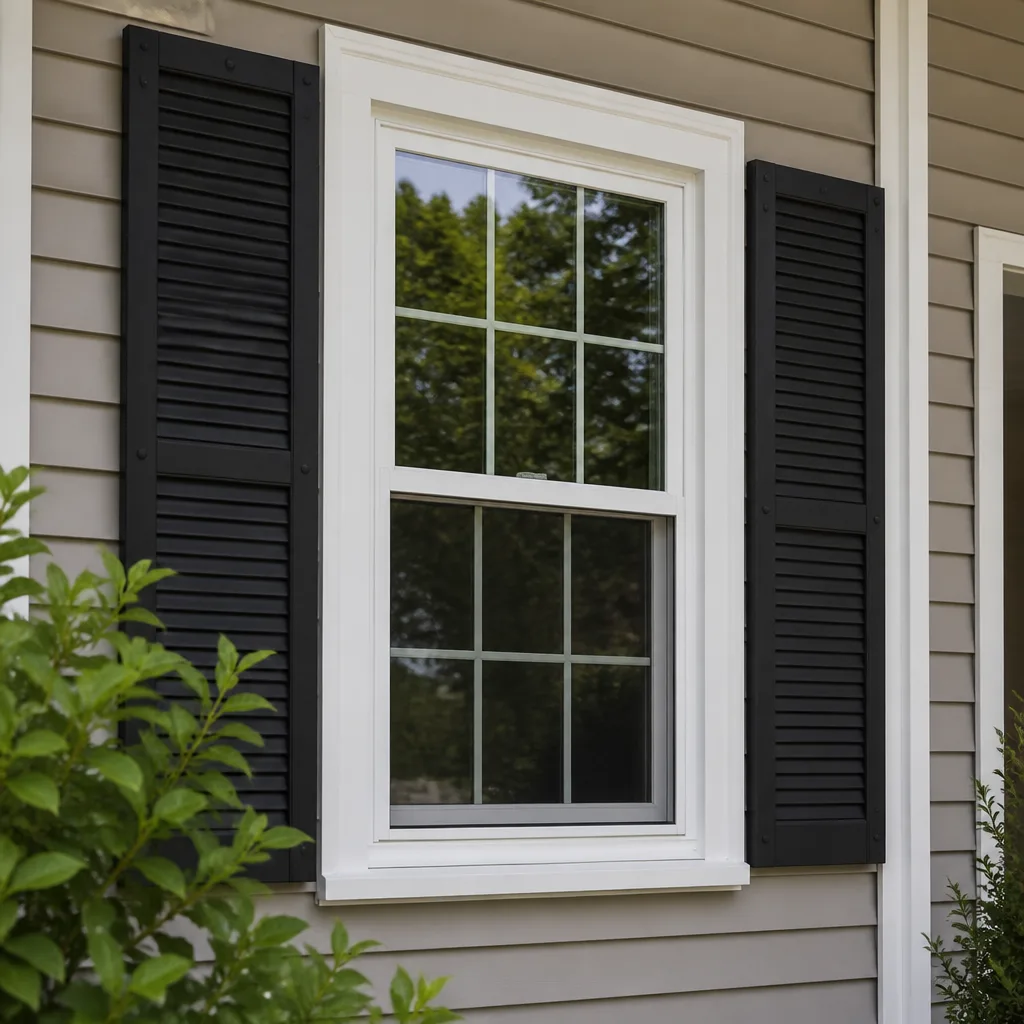
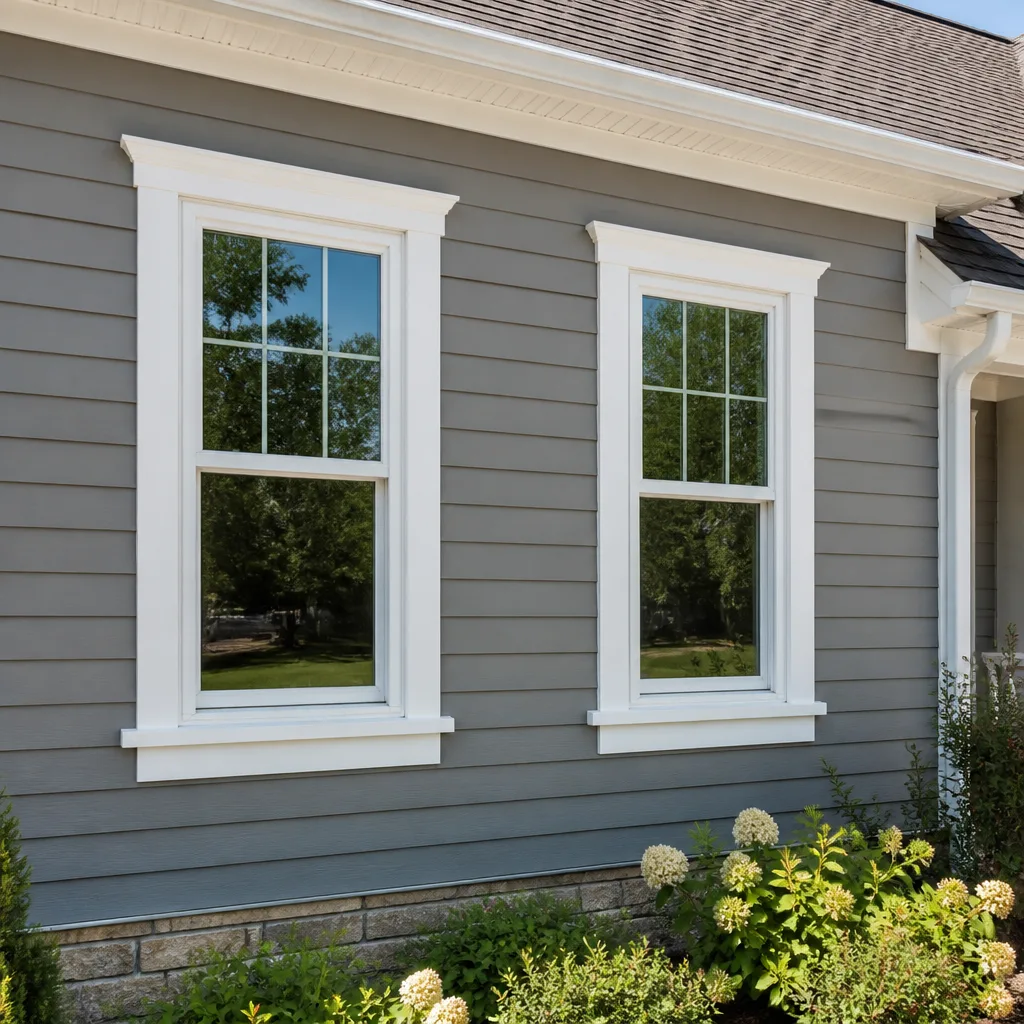
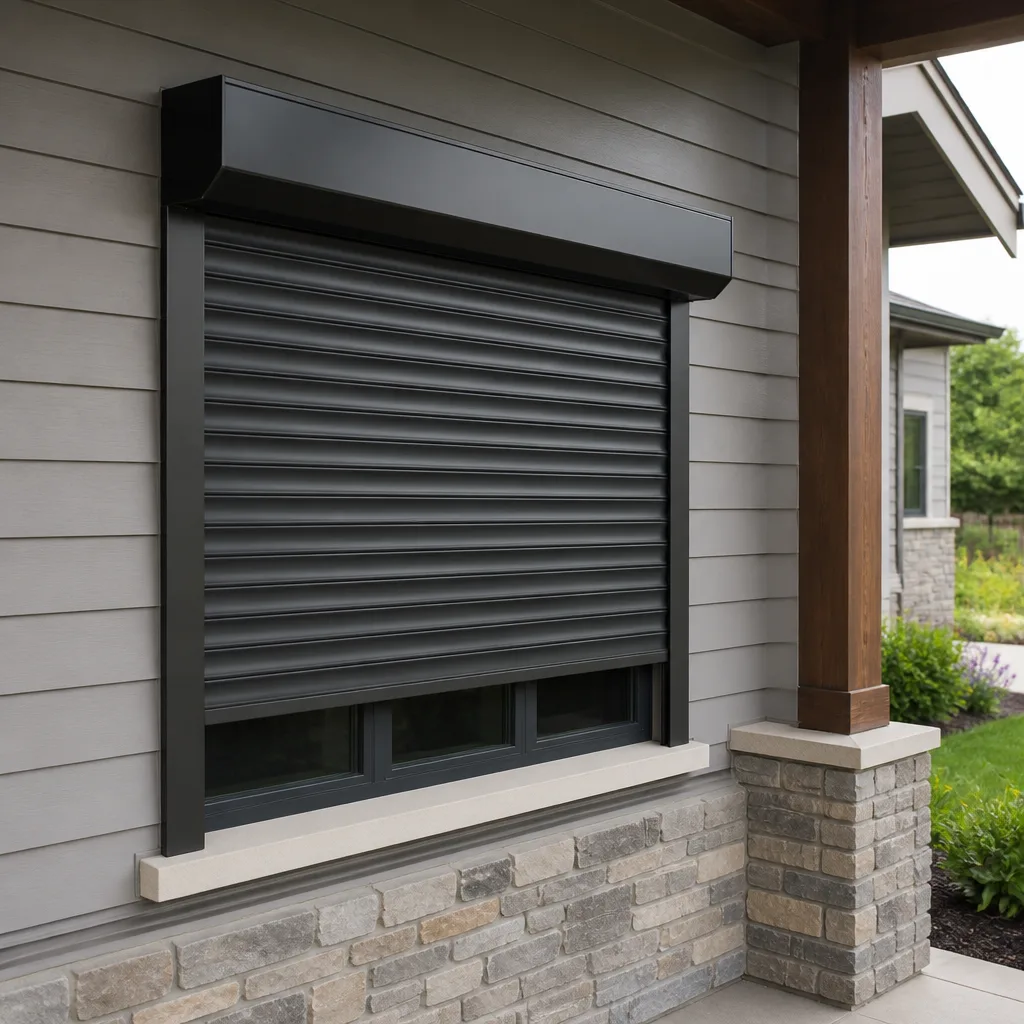
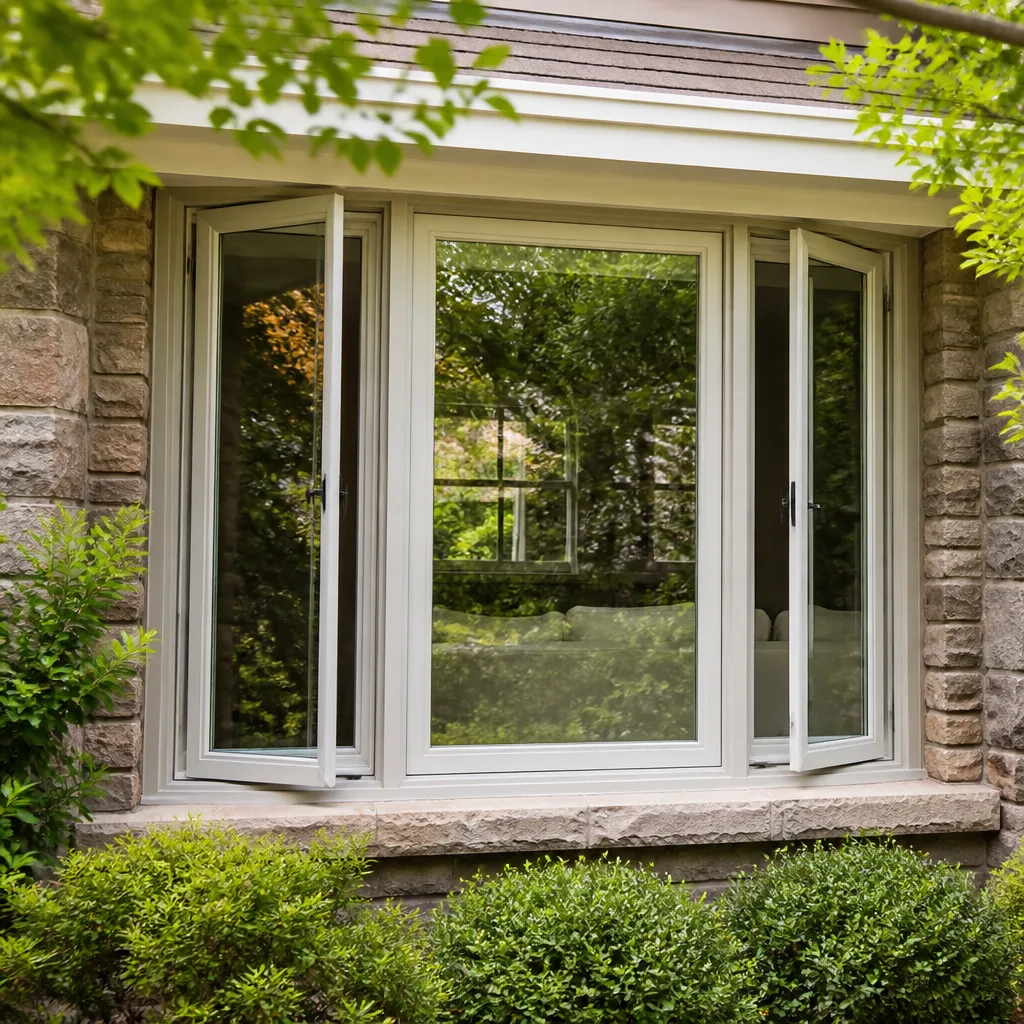
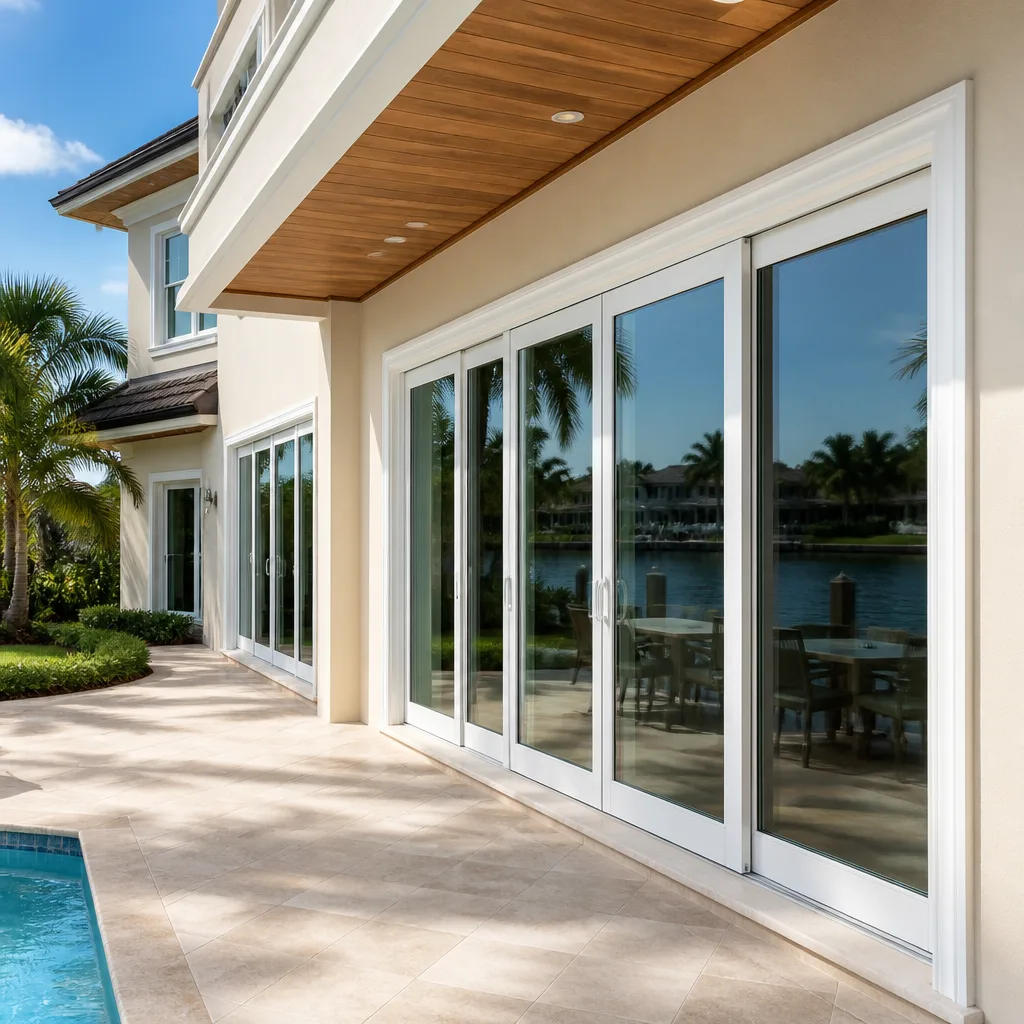
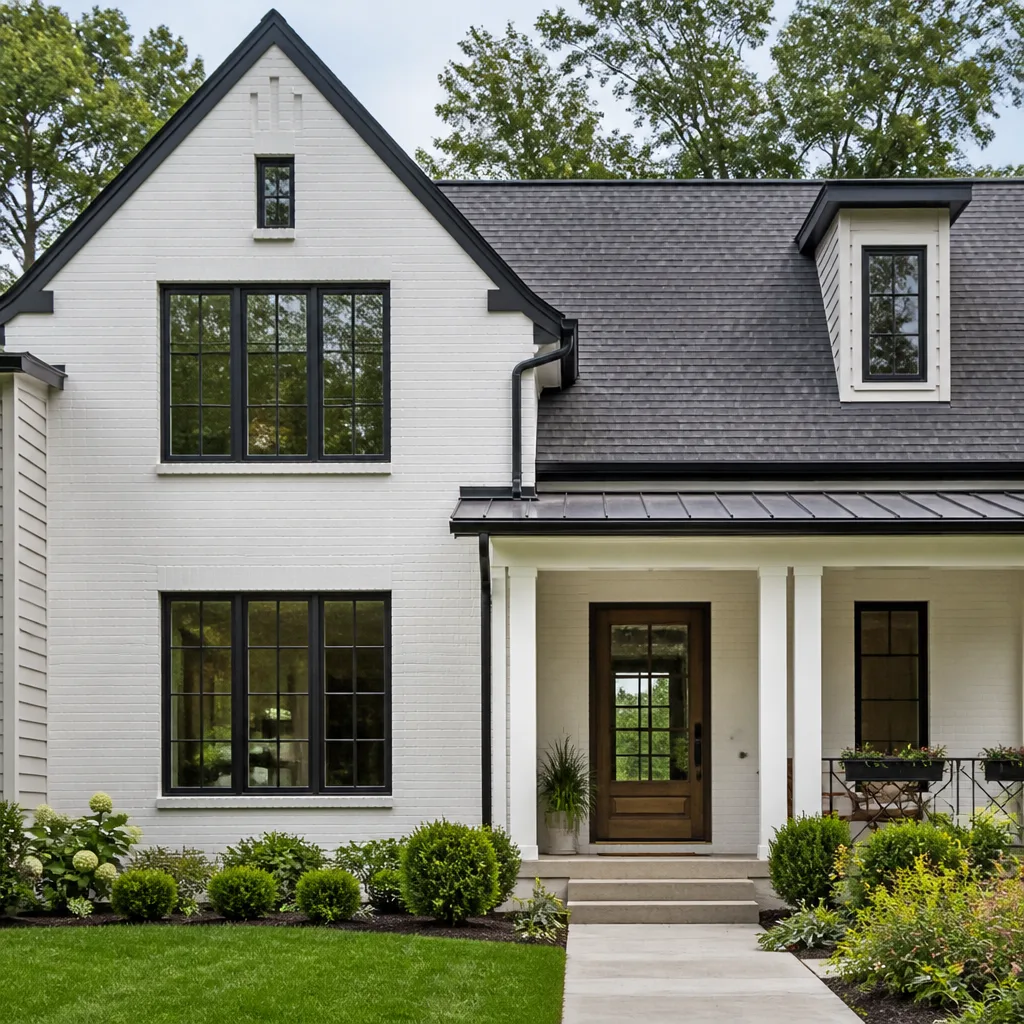
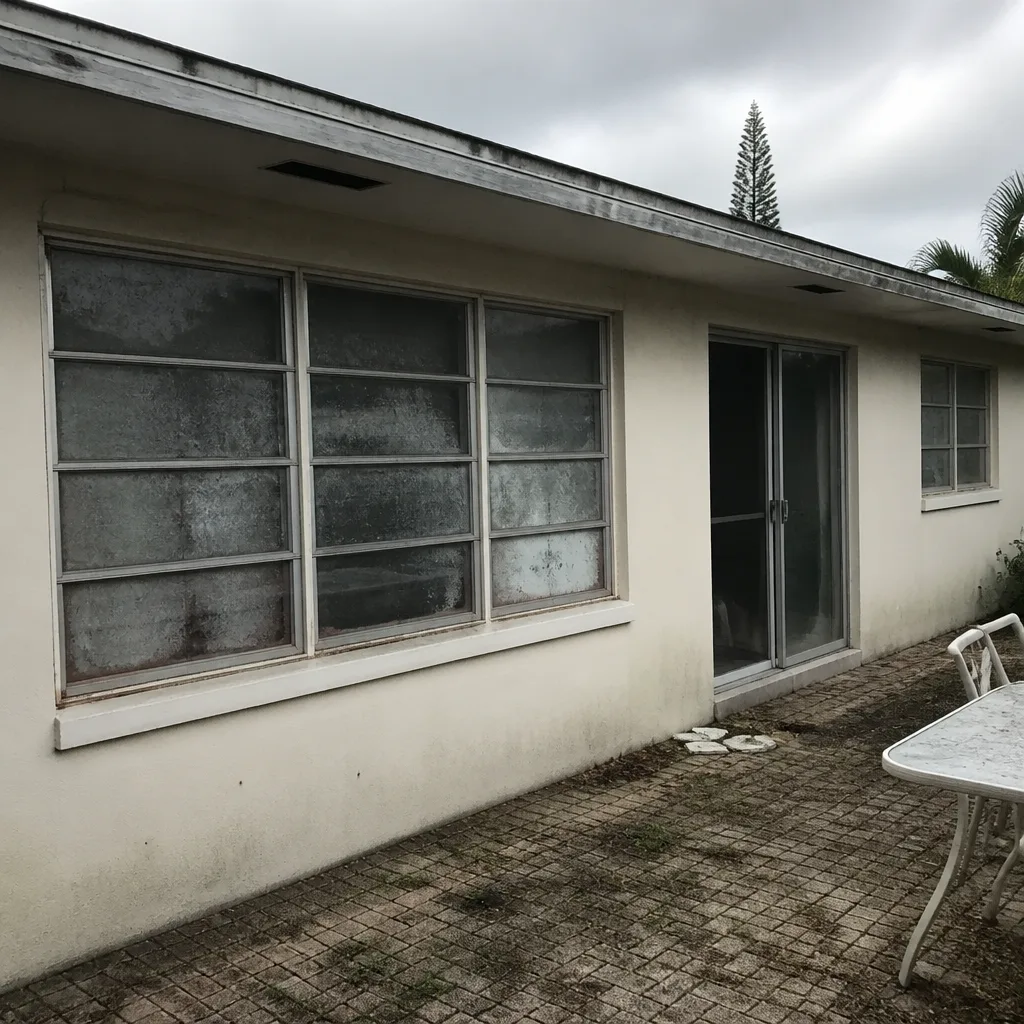 Before
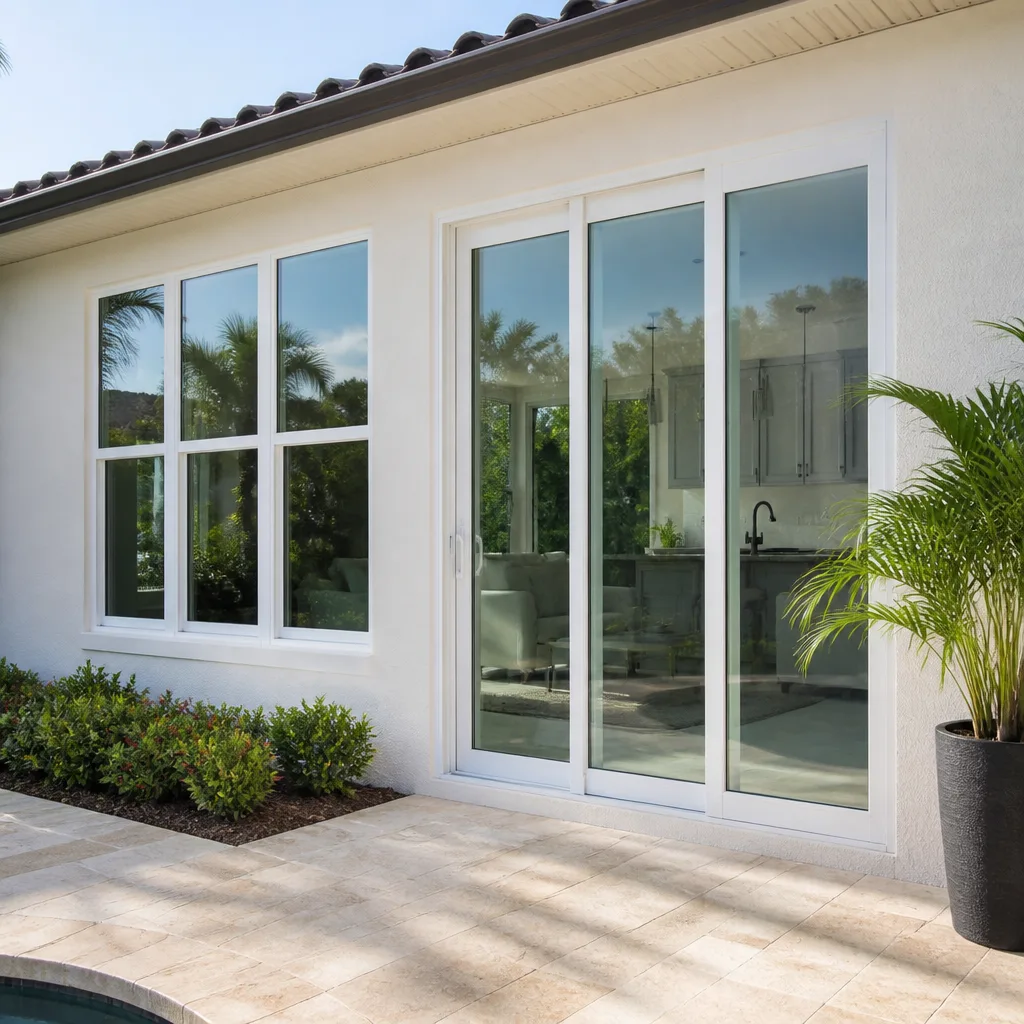 After
After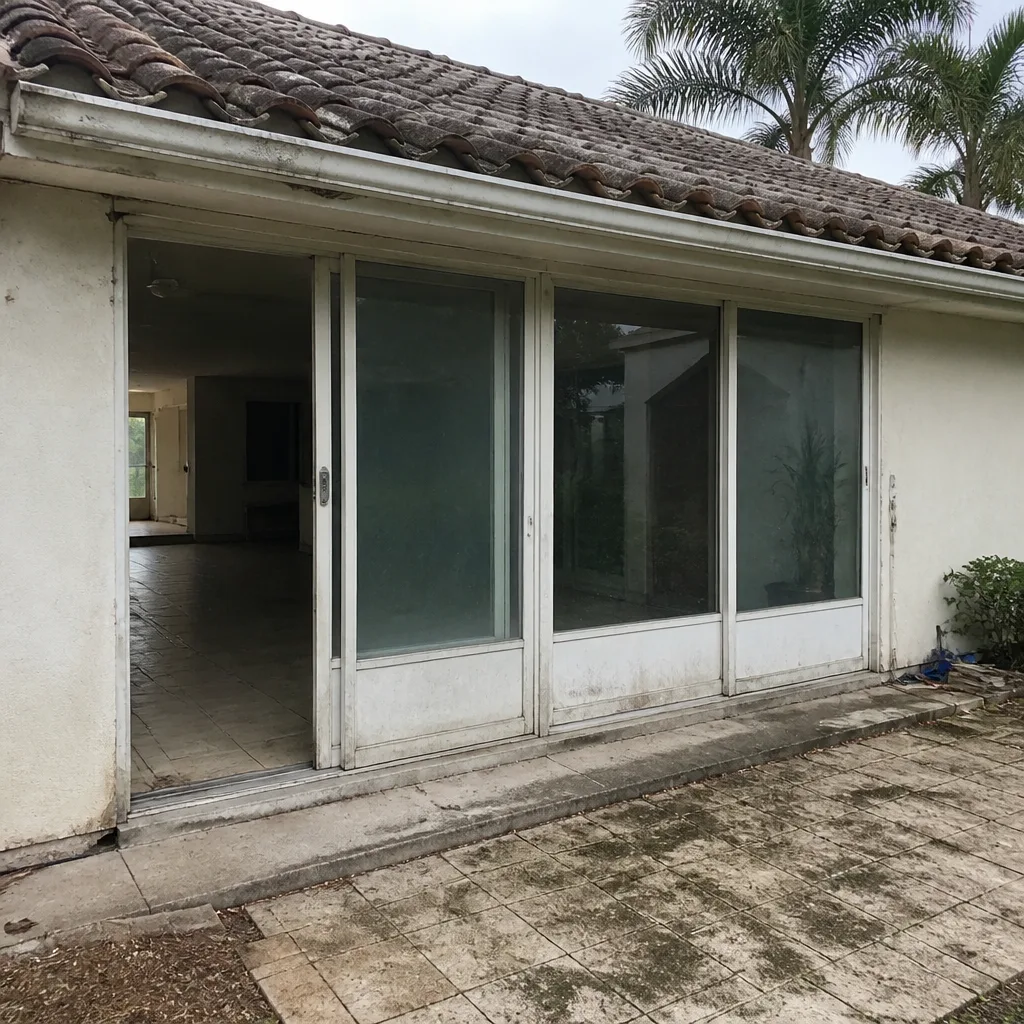 Before
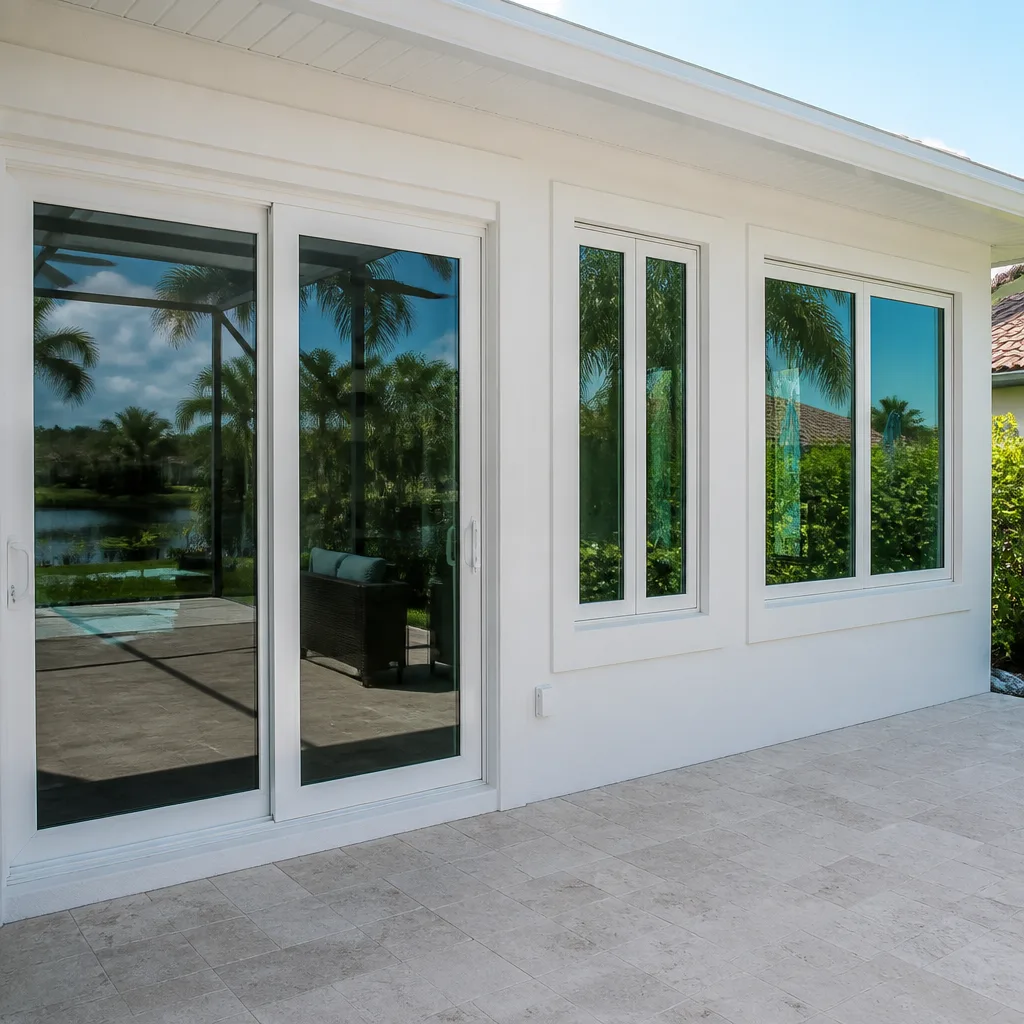 After
After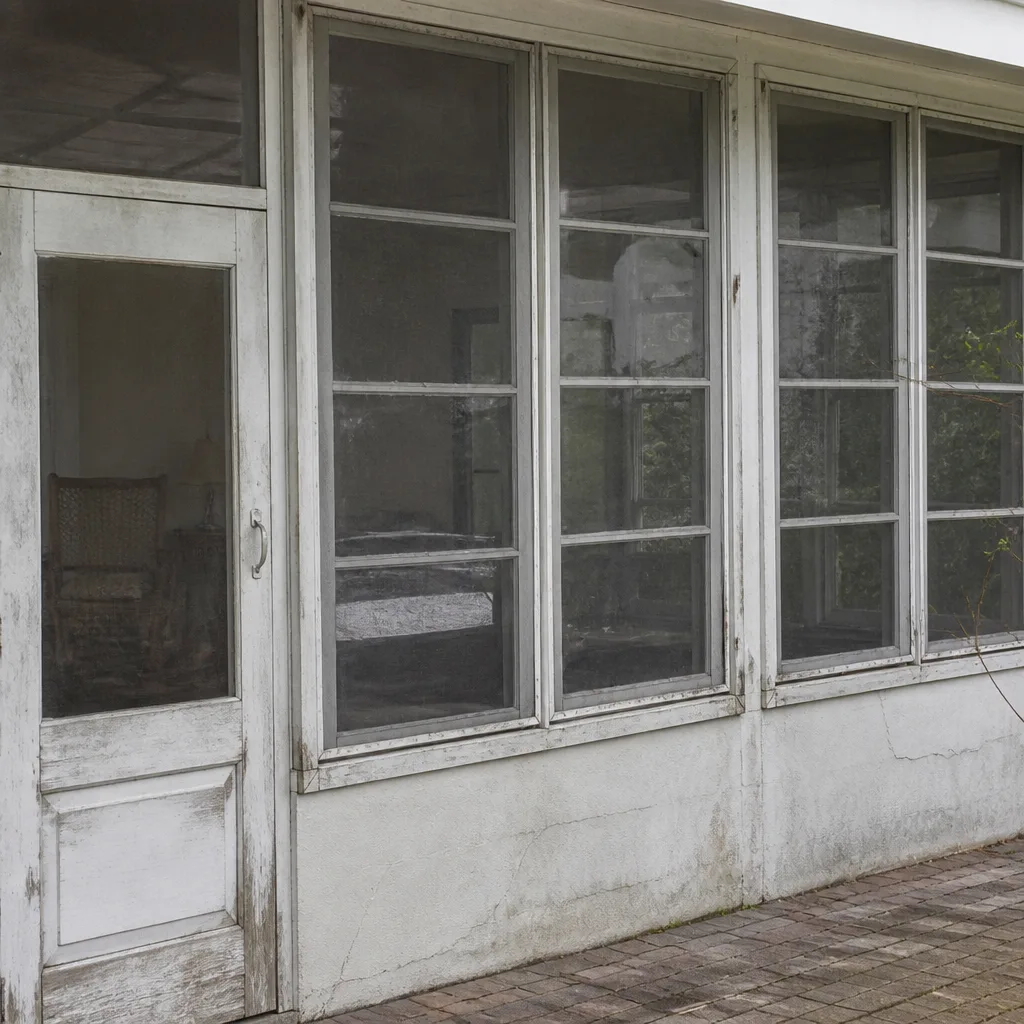 Before
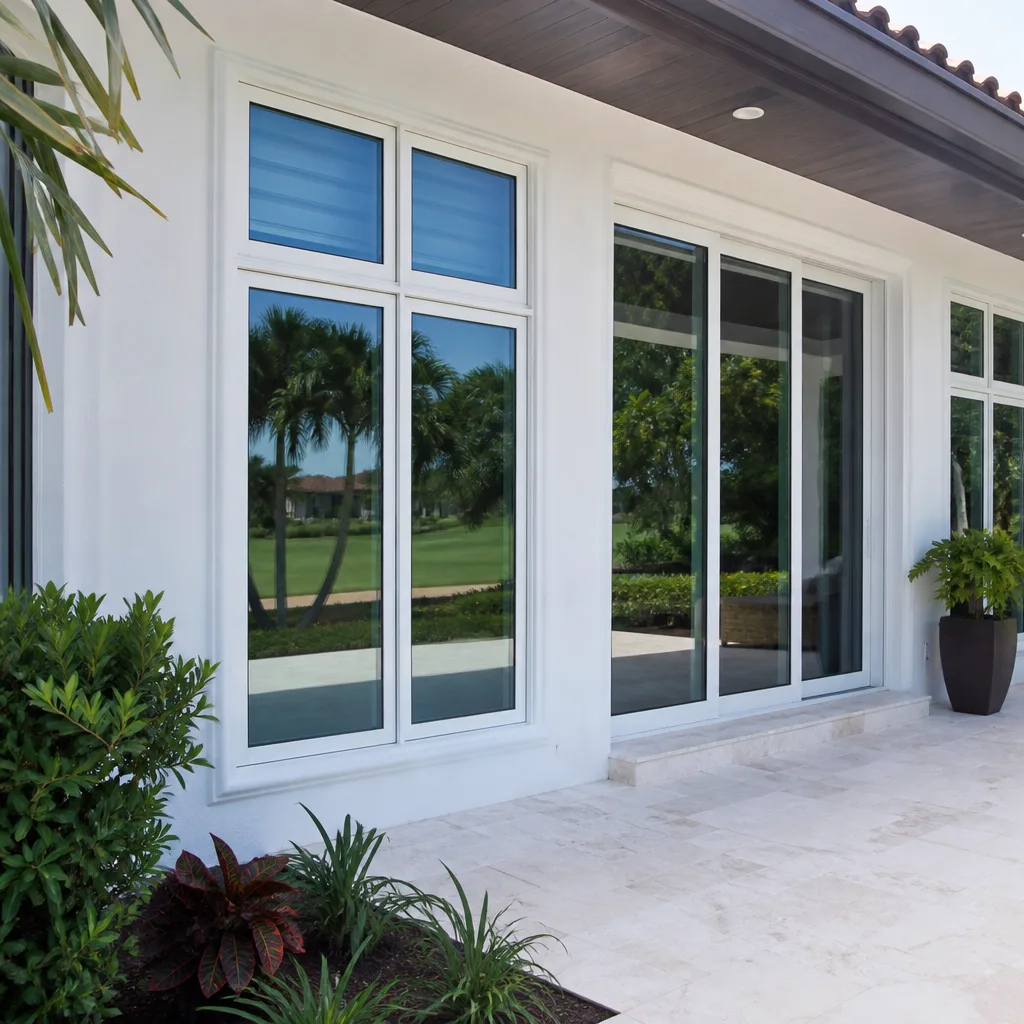 After
AfterThe Complete Guide to Windows & Doors in Naples
Naples sits in one of the highest wind-speed zones in the continental U.S. ASCE 7-22 puts Collier County at a 170+ mph design wind speed, yet a majority of replacement windows sold here are spec’d to the minimum code floor, not to what the Gulf actually throws at a home in late September. That gap between “legally acceptable” and “actually protective” is where Naples homeowners lose money, sleep, and sometimes entire rooms. This guide walks through the Naples-specific reality of window and door selection: what the local codes demand, which ratings actually matter, what insurance companies want to see, and where the hidden costs hide.
Quick Answer
Windows and doors in Naples must meet High-Velocity Hurricane Zone (HVHZ) standards, which are stricter than the rest of Florida. A proper Naples installation pairs Miami-Dade NOA-approved impact products with correct flashing and anchorage, and the right package can cut windstorm insurance premiums by 30-45% while surviving winds that would shred a standard window. Expect to pay more than the big-box price tag, and expect that extra money to return through insurance savings and avoided damage.
Table of Contents
- Why Naples Is a Different Code World: HVHZ Explained
- Miami-Dade NOA vs. Florida Product Approval: What Actually Passes Inspection in Naples
- How to Read a DP Rating and Match It to Your Home
- Why Door Frames Fail Before Glass Does: Flashing and Rough-Opening Integration
- The Insurance Premium Math: What a PGT or CGI Package Actually Saves You
- Choosing Products That Belong in Naples: PGT, CGI, Therma-Tru, and What They Do Differently
- Installation Standards That Separate a 10-Year Job from a 40-Year Job
- Real Naples Pricing: What Windows and Doors Cost in This Market
Why Naples Is a Different Code World: HVHZ Explained
Collier County is one of only two counties in Florida designated entirely as a High-Velocity Hurricane Zone, along with Miami-Dade and Broward. The HVHZ designation isn’t a technicality. It changes how windows and doors are manufactured, tested, and installed. In most of Florida, the statewide building code allows products tested to a baseline standard. In Naples, that baseline doesn’t apply. Every window, door, skylight, and garage door in a new or remodeled home must carry either a Miami-Dade County Notice of Acceptance (NOA) or a Florida Product Approval that explicitly certifies HVHZ compliance. Products without that documentation can’t legally be installed, and if they are, the homeowner inherits the liability when an inspector catches it or an insurance adjuster denies a claim.
What does this mean in practical terms? It means the big-box store off Collier Boulevard and Immokalee Road often stocks windows labeled “hurricane-rated” or “impact-resistant” that don’t carry a Miami-Dade NOA. They’re fine for Port Charlotte or Fort Myers, but they can’t pass a legitimate Naples inspection. We’ve met homeowners who bought those products, paid a handyman to install them, and discovered at their next property sale or insurance renewal that the paperwork doesn’t hold up. The fix is always more expensive than buying the right product the first time. For a deeper look at what qualifies, see our guide to impact windows in Naples.
The HVHZ standard also governs installation methods, not just product specs. Anchor type, anchor spacing, fastener embedment, and even the type of sealant are prescribed. A window that’s approved but badly anchored isn’t approved anymore. That’s why the installation contractor matters as much as the glass.
Miami-Dade NOA vs. Florida Product Approval: What Actually Passes Inspection in Naples
Here’s the distinction most guides gloss over: a Florida Product Approval means the product passed Florida Building Code testing, which is rigorous. A Miami-Dade NOA means the product passed Miami-Dade County’s own testing protocol, which is the most demanding in the country. In Naples, both can technically satisfy the code, but the NOA matters for two reasons.
First, some insurance carriers specifically ask for Miami-Dade NOA documentation when calculating windstorm premium credits. They view the NOA as the gold standard, and their underwriters are trained to recognize it. Without it, you may still meet code, but you’ll leave premium savings on the table. Second, if you ever sell the home, a knowledgeable buyer’s inspector in Naples will look for the NOA sticker or the documentation trail. Homes with properly documented NOA-rated openings sell faster and appraise more predictably.
The takeaway isn’t that Florida Product Approval products are bad. It’s that in Naples, where the inspection culture is strict and the insurance market is unforgiving, the NOA is the smarter target. All the impact-rated products we install from PGT and CGI carry Miami-Dade NOA documentation as standard. That’s a decision we made because Ed Winslow has watched too many Naples homeowners get stuck with products that check one box but not the one their insurer or buyer actually wants.
If you’re replacing windows now, confirm the exact product line’s documentation before you pay a deposit. Ask for the NOA number, not just a verbal “it’s hurricane-rated.” Any legitimate contractor in Naples should hand you the paperwork without hesitation.
How to Read a DP Rating and Match It to Your Home
DP stands for Design Pressure. It’s a number, usually between DP 35 and DP 70 in residential products, that tells you how much wind pressure the window or door was tested to withstand before structural failure. The number matters because Naples isn’t one uniform wind zone. A ground-floor window on a home near Goodlette-Frank Road faces different pressure than a second-story window on a canal-front property in Aqualane Shores. Wall height, exposure category, roof shape, and distance from the coast all change the calculation.
Here’s the step-by-step way to think about it:
- Find your exposure category. Florida’s code assigns Exposure B, C, or D based on how open the terrain is around your home. Most inland Naples neighborhoods are B or C. Homes within a few hundred yards of the Gulf, or on wide-open golf-course frontage, are often D - the most demanding.
- Check your wall height. The higher the window, the more wind pressure it carries. A second-floor bedroom window needs a higher DP than a first-floor living room window in the same house.
- Look up your zone’s required DP. A typical inland Naples single-story home in Exposure B or C generally requires DP 35 to DP 45. A coastal two-story in Exposure D can require DP 50 to DP 60, sometimes higher for large fixed windows or tall sliding doors.
- Match the product, not just the sticker. The DP rating applies to the entire assembly - frame, glass, hardware, and anchors working together. A DP 50 window installed with undersized anchors is not a DP 50 window anymore.
We often see homeowners buy a window because the brochure says “impact” and never check the DP. In Naples, that’s a gamble. A DP 40 window on a Gulf-access canal home in Port Royal is under-spec’d, and the first time a category 3 storm sits offshore, that window is the weakest point in the envelope. The right DP isn’t a selling feature; it’s a structural calculation. For more on how we approach product selection for a specific house, see our window replacement guide for Naples.
Why Door Frames Fail Before Glass Does: Flashing and Rough-Opening Integration
Here’s an uncomfortable truth about the window and door business: the glass and the frame usually survive the storm. What fails is the connection between the product and the house. In Naples, where driving rain travels horizontally at 100+ mph, the flashing detail determines whether you get a wet living room or a dry one. The failure sequence is predictable. Wind-driven rain hits the wall, runs down the stucco or siding, and finds the junction where the window or door frame meets the rough opening. If the flashing wasn’t layered correctly - jamb flashing, sill pan, head flashing, in the right order - water gets behind the frame. It rots the wood, corrodes the anchors, and eventually the entire assembly lets go under load.
Proper flashing on a Naples installation means a sill pan at the bottom that drains to the exterior, flexible self-adhered flashing around the jambs and head, and an exterior sealant that can handle both UV exposure and salt air. The product isn’t plugged into a standard hole; it’s integrated into the home’s water-management system. Door frames fail before glass does because doors have a strike side, a hinge side, and a threshold, all of which create pathways for water if the flashing is sloppy. We’ve rebuilt dozens of door openings in Old Naples and Moorings-area homes where the original installation looked fine from the interior but was a sponge behind the trim.
The lesson: when you’re comparing quotes in Naples, ask the contractor to describe their flashing sequence. If they can’t explain it in 60 seconds, they’re not doing it right. The products from Therma-Tru and our other brands are excellent; they still leak if the opening isn’t prepared correctly. This applies equally to the Winslow Windows & Doors philosophy that the rough opening, not the product, is where the job succeeds or fails.
The Insurance Premium Math: What a PGT or CGI Package Actually Saves You
Most Naples homeowners think about impact windows as a storm-safety purchase. They should think about them as an insurance-policy purchase that happens to come with glass. In Collier County, the windstorm portion of a homeowners policy is the single most expensive line item for most properties. A full impact-window and door retrofit typically lowers that premium by 30% to 45%.
Here’s the math, using realistic Naples figures. A 2,500-square-foot home in a standard inland neighborhood might carry an annual windstorm premium of $6,000 to $9,000. A full retrofit with PGT or CGI impact windows and reinforced doors - properly documented with Miami-Dade NOA paperwork - typically cuts that premium by $2,000 to $3,500 per year. On a 3,000-square-foot canal-front home in a higher exposure zone, the premium might be $12,000 to $18,000, and the same retrofit can save $4,000 to $7,000 annually.
Now look at install cost. A full replacement on that inland home might run $30,000 to $50,000 depending on the product line, the number of openings, and the complexity of the job. At $2,500 a year in premium savings, that’s a 12- to 20-year simple payback. But that’s the wrong way to frame it. The windows also stop the storm from destroying the interior. One avoided claim - one set of gust-blown patio doors holding instead of failing - saves a deductible, a claim history, and months of remediation. In Naples, a single storm once a decade is not a remote possibility; it’s a probability.
The insurance companies don’t hand out these credits automatically, either. You need a wind mitigation inspection after the installation, and the inspector needs to see the documentation trail: product approval numbers, NOA documentation, and a signed statement from the installer. We walk every customer through that process because the paperwork is part of the product. Without it, the windows are just expensive glass.
Choosing Products That Belong in Naples: PGT, CGI, Therma-Tru, and What They Do Differently
Naples isn’t a market for generic vinyl windows from a regional extruder. The products that survive here, and the ones insurance carriers reward, are designed in Florida for Florida loads. That narrows the field significantly, and it’s why Winslow Windows & Doors aligns with a small set of manufacturers we trust.
PGT and CGI are the two heavyweights for impact-rated windows and sliding doors. PGT’s WinGuard line has been a Florida standard for decades, built around laminated glass, reinforced frames, and NOA documentation as a matter of course. CGI, based in Miami, designs specifically for High-Velocity Hurricane Zone conditions and offers some of the highest DP ratings in residential products. Both brands earn insurance credits, both carry Miami-Dade NOA approval across their impact lines, and both are products we’ve installed in Naples homes from Golden Gate Estates to Pelican Bay.
Therma-Tru owns the entry-door conversation. Their fiberglass door systems resist the salt air, humidity, and UV that destroy wood doors within a decade on Naples exposures. A solid Therma-Tru entry door with a composite frame, properly flashed and anchored, is a 30-year product in this climate. We also work with CWS on select commercial-grade and high-wind residential openings where the spec calls for unusually large glass or high DP requirements.
The point isn’t brand loyalty. It’s product-to-condition matching. A window that’s perfect for a shaded inland bungalow on 10th Avenue North is the wrong product for an exposed third-floor condo in Park Shore. The brand matters less than whether the specific line meets your home’s DP requirement and carries the right documentation. That’s the conversation we have at the kitchen table, not in the showroom.
Installation Standards That Separate a 10-Year Job from a 40-Year Job
A window that’s installed barely-to-code will pass inspection this year and fail in the next direct hit. A window that’s installed above-code will be there when the house is 40 years old. The difference is in the details that no homeowner sees after the trim goes back on.
Here are the installation factors we consider non-negotiable on a Naples job:
- Anchorage. The code prescribes minimum anchor size and spacing based on the product’s DP rating and the wall substrate. On a concrete-block home, that means concrete screws with proper embedment, not tapcons that bite into the stucco and call it a day. On a wood-frame home, it means structural screws into the framing, not drywall screws into the sheathing.
- Sill preparation. Before the window goes in, the rough sill needs to be solid, level, and properly flashed with a pan that slopes to the exterior. We’ve pulled windows out of 15-year-old Naples homes where the sill wasn’t flashed at all, and the plywood under the window was compost.
- Air-sealing. After the window is anchored and flashed, the interior gap between the frame and the rough opening needs a continuous air seal. In a humid climate like Naples, that gap is where hot, wet air enters the wall cavity and condenses inside the framing. It’s invisible until the mold shows up.
- Interior and exterior trim integration. The exterior caulk joint has to be tooled correctly and compatible with the home’s paint system. The interior trim has to allow the window to drain if water gets past the exterior seal. A window that’s sealed shut on the interior can’t drain, and water will find the drywall.
We’ve re-installed windows for Naples homeowners who bought the right product from the right manufacturer and then watched a low-bid crew botch the rough opening. The product wasn’t the problem. The process was. That’s why our crews are trained to treat every opening as if the inspector is standing behind them and the storm is three days out. For a closer look at what a proper installation involves, see our window installation guide for Naples homeowners.
Real Naples Pricing: What Windows and Doors Cost in This Market
Naples pricing for windows and doors runs higher than most of Florida, and there are honest reasons for that. The products have to meet HVHZ standards, which means laminated glass, reinforced framing, and heavy hardware. The installation has to account for concrete block construction on most homes, which is slower than wood framing. And the market itself - with a high concentration of luxury properties and stringent inspection culture - supports a higher labor rate than surrounding counties.
Here’s what we see as current ranges in Naples, based on our own estimates and completed work:
- Single impact window replacement (standard size, PGT or equivalent): $1,200 to $2,200 installed.
- Single non-impact window replacement (meets current code where permitted for low-exposure interior replacement): $600 to $1,100 installed.
- Standard impact entry door (Therma-Tru or equivalent, single door with impact glass): $2,500 to $4,500 installed.
- Sliding glass door, impact-rated (6-foot to 8-foot opening): $3,500 to $7,000 installed.
- Full-home impact window retrofit (2,000-2,500 square foot home, 12-18 openings): $28,000 to $55,000 installed, depending on product line, DP requirements, and structural condition of existing openings.
- Full-home impact package including entry doors and sliding doors (larger coastal home, 20+ openings): $55,000 to $120,000 installed.
These numbers don’t match the big-box advertised price, and the difference isn’t markup; it’s the cost of doing the job to a standard that survives a Collier County windstorm and an insurance underwriter’s microscope. One thing to watch for: quotes that bundle “impact windows” without specifying the DP rating, the NOA documentation, or the flashing scope. That’s the setup for a price that looks great until the first real storm.
Common Mistakes to Avoid
- Buying “hurricane-rated” windows without checking for Miami-Dade NOA documentation. The phrase on the box doesn’t satisfy a Naples inspector or an insurance underwriter. If the product doesn’t have an NOA or proper HVHZ Florida Product Approval, you’ve bought a problem.
- Shopping price-per-window instead of total protection value. A window that’s $400 cheaper but under-spec’d for your DP requirement will cost you the difference many times over in insurance premiums, storm damage, or a failed resale inspection.
- Ignoring the door and window rough openings. The product is only half the system. Bad flashing rots the house around the glass, and the failure happens years before the window itself shows any sign of trouble.
- Skipping the wind mitigation inspection after a retrofit. Without the official inspection, your insurance company won’t apply the windstorm credit. The savings don’t materialize automatically.
- Assuming all contractors in Naples understand HVHZ requirements. Many crews come from counties with looser standards and install to habits formed there. Ask about NOA documentation and flashing sequence before you hire.
- Waiting until storm season to schedule the work. The best products in Naples are scheduled weeks or months ahead. Waiting until August means limited availability and rushed installation, which is when mistakes happen.
- Choosing the cheapest quote without reading the scope. In this market, the cheapest bid usually means a product with lower DP ratings, minimal flashing, and no documentation management. Read every line before you sign.
When to Call a Professional
Call a professional when the opening is load-bearing, when the product requires HVHZ documentation, when the existing frame shows signs of water intrusion, when the window or door is on a second story, or when you’re replacing multiple openings and need the DP calculation done correctly. See our guide on How to Hire a Windows & Doors Contractor in Naples: A Step-by-Step Guide. This is not a weekend project. The consequences of a bad installation in Naples aren’t cosmetic; they’re structural and financial. Winslow Windows & Doors offers free estimates in Naples - call (239) 899-6411 and we’ll walk the property, check the existing openings, and give you a written line-item scope with honest pricing. No pressure, no vague promises, just the facts as Ed Winslow sees them.
Frequently Asked Questions
In most replacement and new-construction situations in Naples, yes. The HVHZ designation applies countywide, and any exterior opening must meet impact-protection standards unless the home is in an exception category that most residences don’t qualify for. A licensed Naples contractor can tell you exactly what applies to your specific property.
Florida Product Approval means the product passed statewide Florida Building Code testing. Miami-Dade NOA means the product passed Miami-Dade County’s stricter protocol, which is the most demanding in the nation. In Naples, both can satisfy code, but the NOA is preferred by insurers and often required for maximum premium credits. Call (239) 899-6411 if you want help determining whether a product’s documentation will pass your insurer’s review.
Expect $1,200 to $2,200 per window installed for a standard size, and $28,000 to $55,000 for a full-home retrofit on a typical Naples home. The final number depends on the product line, the DP rating required, and the condition of your existing openings.
Yes, typically by 30% to 45% on the windstorm portion of your policy, provided the installation is documented correctly and you complete a wind mitigation inspection. The savings on a Naples home can run $2,000 to $7,000 per year depending on the property’s exposure.
A typical single-family home takes 3 to 7 working days for a full replacement, depending on the number of openings and any structural repairs discovered during the rough-opening prep. Larger homes or jobs with extensive water-damage repairs can run longer, and we’ll tell you that before we start.
Yes. Naples and Collier County require permits for window and door replacement, and the work must be inspected. A legitimate Naples contractor pulls the permit as part of the job and handles the inspection scheduling. If a contractor offers to skip the permit, that’s a signal to find someone else.
The Bottom Line
Windows and doors in Naples aren’t commodity purchases, and the people who treat them that way pay for it twice: once at the register and once when the storm or the inspector arrives. The right products, matched to your home’s DP requirements, carrying Miami-Dade NOA documentation, installed with proper flashing and anchorage, will protect your house and cut your insurance bill for decades. Keep them performing with our Impact Windows Maintenance Checklist for Naples Homeowners. The wrong ones will fail quietly until they fail loudly. Ed Winslow founded this company in 2011 to give Naples homeowners a local option that does the job right, documents everything, and stands behind the work for 36500 days - which is our way of saying forever.
Ready to see where your windows and doors actually stand? Call (239) 899-6411 for a free estimate. We’ll walk your property, answer your questions in plain English, and give you a written scope you can hold us to. For more guides & resources, visit our blog. The one down the road.
Written by Ed Winslow, Owner at Winslow Windows & Doors, serving Naples since 2011.
Six Reasons Homeowners Choose Winslow Windows & Doors
Impact systems engineered to design pressures up to +/-100, matched to your wind zone - your openings hold when the storm arrives.
Low-E insulated impact glass from our manufacturer lines commonly cuts monthly cooling bills 20-30%.
Laminated impact glass shuts out up to 40% of outside noise - traffic, neighbors, weather.
Monitoring services run $30-90 a month. Laminated impact glass resists forced entry around the clock, with no subscription.
Florida homeowners average around 25% savings on the windstorm portion of their policy after protecting every opening - some homes qualify for more.
A full impact package upgrades curb appeal, buyer confidence and appraised value in one project.